Top Collagen Production Boosters to Improve Skin, Hair, and Joint Health
If you're looking for ways to maintain youthful skin, strong hair, and healthy joints, you might want to consider the role of collagen in your body. Collagen is the most abundant protein in your body, providing structure to your skin, strength to your bones, and support to your joints. As we age, our bodies produce less collagen, leading to visible signs of aging like wrinkles, joint pain, and weaker hair. However, there are natural ways to boost collagen production through your diet. In this article, we’ll explore the best foods and strategies to enhance collagen synthesis, helping you achieve healthier skin, stronger hair, and better joint function.

Understanding Collagen and Its Importance

Collagen is a structural protein that plays a vital role in maintaining the integrity of various tissues in the body. It's found in your skin, tendons, ligaments, cartilage, and even your digestive tract. As we age, the body’s ability to produce collagen declines, which can lead to sagging skin, joint stiffness, and brittle nails. But the good news is that you can support collagen production through your diet. Certain nutrients act as building blocks or catalysts for collagen synthesis, making them essential for maintaining healthy skin, hair, and joints.
Lean Proteins: The Building Blocks of Collagen
One of the most effective ways to boost collagen production is by consuming lean proteins. These foods provide essential amino acids like glycine, proline, and lysine, which are crucial for collagen synthesis. Animal-based proteins such as beef, chicken, turkey, and fish are particularly rich in these amino acids. For example, bone-in cuts of meat and fish with skin contain higher levels of collagen, making them excellent choices.
How to Incorporate Lean Proteins into Your Diet: - Choose lean ground beef or chicken breast for burgers. - Sear salmon with the skin on and add lemon juice for a vitamin C boost. - Use canned sardines in salads for an easy source of collagen-rich protein.
Citrus Fruits and Vitamin C: The Collagen Catalyst

Vitamin C is a key nutrient for collagen synthesis. It acts as a cofactor for enzymes that help stabilize collagen molecules in the body. Without enough vitamin C, your body can't properly form collagen, leading to weakened connective tissues and slower wound healing. Citrus fruits like oranges, grapefruits, and lemons are excellent sources of vitamin C, but other foods like red bell peppers, kiwi, and strawberries also provide significant amounts.
How to Incorporate Vitamin C-Rich Foods: - Add sliced kiwi to yogurt parfaits or smoothies. - Make a fruit salad with oranges, strawberries, and kiwi for a vitamin C-packed snack. - Include red bell peppers in stir-fries or roasted vegetable dishes.
Dairy Products: A Hidden Collagen Source
Dairy products like milk, yogurt, and cottage cheese are not only rich in calcium but also contain important amino acids like glycine and proline, which are essential for collagen formation. Additionally, dairy contains transforming growth factor-beta (TGF-beta), a protein that stimulates collagen production. Including dairy in your diet can be a simple and effective way to support your body's natural collagen-making processes.
How to Incorporate Dairy into Your Diet: - Enjoy cottage cheese with berries for a protein-rich breakfast. - Prepare overnight oats using milk or yogurt. - Whip up a tahini-yogurt dip for a healthy snack.
Beans and Legumes: Plant-Based Collagen Boosters
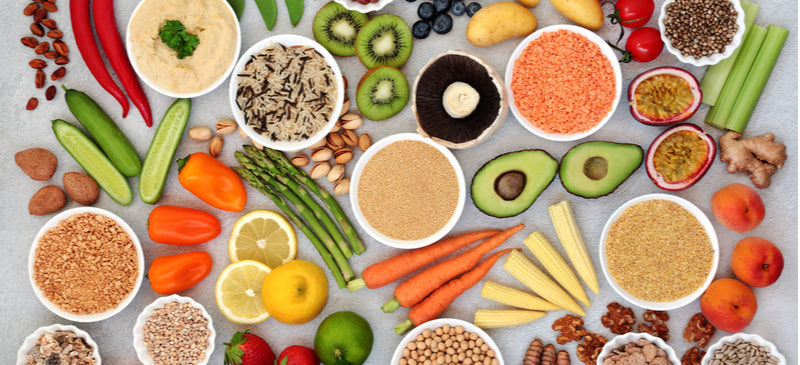
For those following a plant-based diet, beans and legumes are excellent sources of amino acids necessary for collagen production. Black beans, chickpeas, lentils, and soybeans are rich in lysine, proline, and glycine—three amino acids critical for collagen synthesis. They also contain zinc and copper, minerals that help activate enzymes involved in collagen formation.
How to Incorporate Beans into Your Diet: - Add black beans to salads or soups. - Make a hearty chickpea curry. - Use lentils in stews or as a base for veggie burgers.
Bone Broth: A Traditional Collagen Source

Bone broth has been used for centuries as a nourishing food that supports overall health. Made by simmering animal bones and connective tissues, bone broth releases collagen into the liquid, which is then broken down into gelatin and amino acids that your body can easily absorb. This makes it a potent natural source of collagen, especially for those looking to improve skin elasticity and joint health.
How to Incorporate Bone Broth into Your Diet: - Use bone broth instead of water when cooking rice or grains. - Add it to soups, stews, or chili for extra flavor and nutrition. - Sip on warm bone broth as a comforting, collagen-boosting drink.
Nuts and Seeds: Zinc and Copper Powerhouses

Zinc and copper are two minerals that play a crucial role in collagen synthesis. They help activate enzymes that are necessary for forming strong collagen fibers. Nuts and seeds like cashews, almonds, pumpkin seeds, and sunflower seeds are rich in both zinc and copper, making them excellent additions to a collagen-boosting diet.
How to Incorporate Nuts and Seeds into Your Diet: - Add toasted cashews to salads or stir-fries for texture and flavor. - Pair cashew butter with apple slices for a satisfying snack. - Sprinkle pumpkin seeds on top of yogurt or oatmeal.
Berries: Antioxidant Powerhouses

Berries are packed with antioxidants that protect existing collagen from oxidative stress caused by free radicals. They also provide vitamin C, which is essential for collagen synthesis. Blueberries, strawberries, raspberries, and blackberries are all excellent choices for supporting skin health and preventing premature aging.
How to Incorporate Berries into Your Diet: - Make a fruit salad with a mix of berries and citrus fruits. - Blend berries into smoothies with yogurt and chia seeds. - Top oatmeal or pancakes with fresh berries.
Conclusion
Boosting collagen production doesn’t require expensive supplements or complicated routines. By incorporating the right foods into your diet, you can naturally support your body’s ability to produce collagen, leading to healthier skin, stronger hair, and better joint function. From lean proteins and vitamin C-rich foods to dairy, beans, and bone broth, there are plenty of options to choose from. Remember, consistency is key, and a balanced diet combined with healthy lifestyle habits will go a long way in maintaining your body’s natural collagen levels. Start today by making small, sustainable changes to your eating habits and watch your overall health improve over time.

Post a Comment for "Top Collagen Production Boosters to Improve Skin, Hair, and Joint Health"
Post a Comment