Top Brain Training Exercises for Women to Boost Mental Fitness
In a world that constantly demands our attention, it's easy to overlook the importance of mental fitness. While many of us focus on physical health through exercise and diet, the brain often gets neglected. However, just like any other muscle, the brain benefits from regular training. For women, in particular, maintaining mental sharpness is essential—not only for personal well-being but also for navigating the complexities of daily life. From managing stress to enhancing creativity, brain training exercises can be a powerful tool in boosting mental fitness.
This article explores effective brain training exercises tailored for women, offering practical insights, real-life examples, and actionable tips. Whether you're looking to improve focus, enhance creativity, or simply stay mentally agile, these exercises can help you achieve your goals.
Understanding the Importance of Brain Health
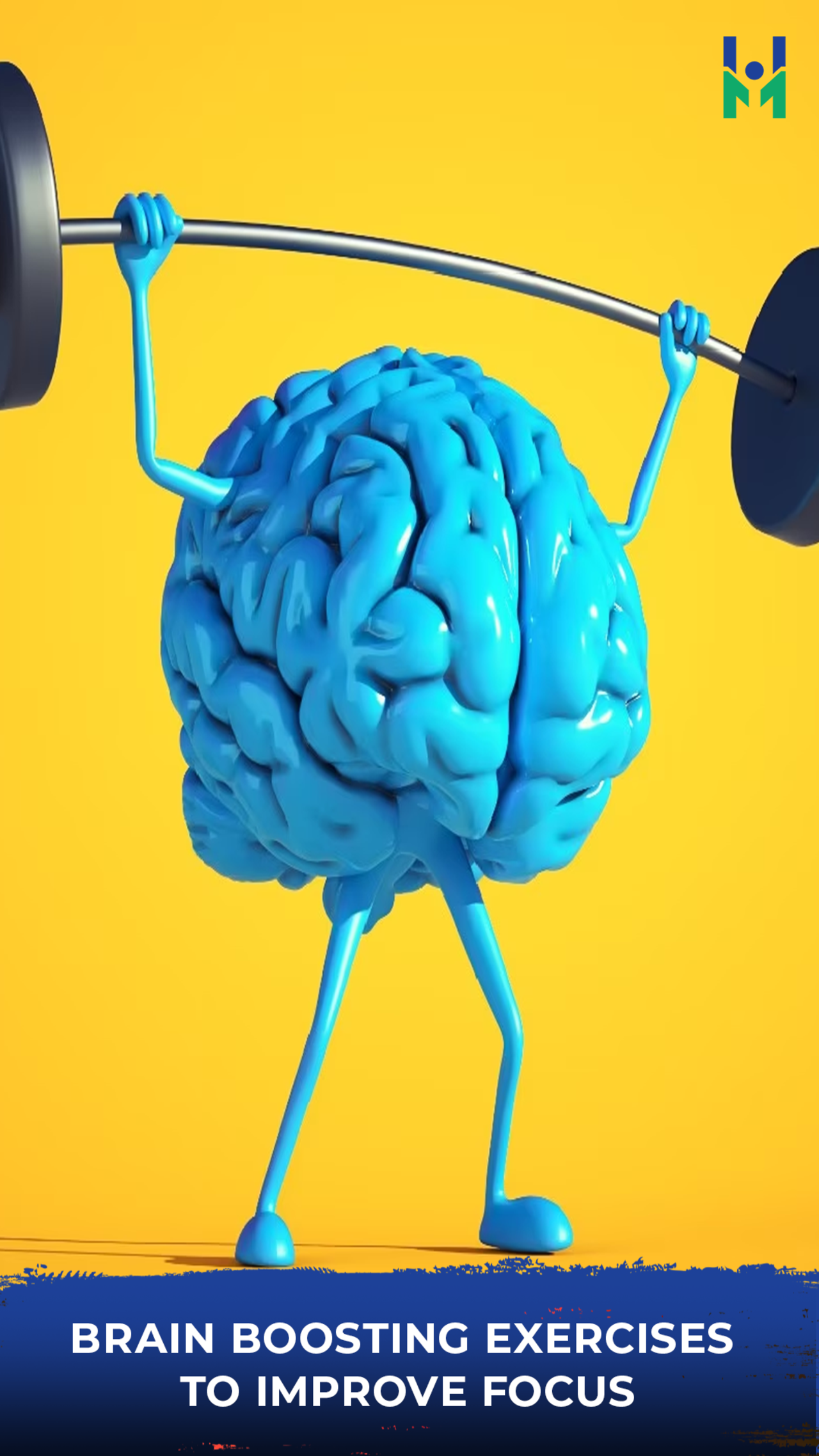
The brain is not just a passive organ; it's an active, dynamic system that requires stimulation and care. According to Dr. Rachel Barr, a neuroscientist and author, "The brain is more like a living ecosystem than a muscle that needs relentless training." This means that rather than pushing it to its limits, we should engage it in ways that foster growth and adaptability.
Brain health is crucial for emotional wellbeing and mental sharpness. It helps us navigate the challenges of everyday life, from making decisions to managing relationships. As we age, maintaining cognitive flexibility becomes even more important. Cognitive flexibility refers to the ability to switch between different tasks, think creatively, and adapt to new situations. This skill is vital for resilience and thriving in a changing world.
1. The Focus Ladder: Strengthening Executive Function
One of the most effective brain training exercises for women is the Focus Ladder, designed to bolster executive function. Executive function involves the prefrontal cortex and is responsible for skills such as focusing, planning, and managing complex tasks.
To try the Focus Ladder: - Choose a complex task, such as writing or budgeting. - Work on it without switching to another task for 20 to 30 minutes, three to four times a week. - Gently bring your attention back when it drifts.
This exercise trains the prefrontal cortex to filter distractions, leading to improved focus, reduced procrastination, and sharper problem-solving skills. By consistently practicing this, you can enhance your ability to sustain attention and manage tasks effectively.
2. Purposeful Mind Wandering: Engaging the Default Mode Network

Another valuable exercise is Purposeful Mind Wandering, which engages the Default Mode Network (DMN). The DMN is most active when you're not focused on the outside world and is key for creativity, empathy, and seeing the bigger picture.
To practice purposeful mind wandering: - Spend 10 to 15 minutes several times a week, taking a slow walk or sitting quietly without inputs (no phone, no TV). - Let your mind wander, but direct it toward a big question, challenge, or future plan.
This practice encourages the integration of past experiences with new ideas, supporting creativity, empathy, and long-term vision. It can lead to more original ideas, deeper self-awareness, and better perspective-taking.
3. Pattern Spotting: Activating the Salience Network
Pattern Spotting is a great way to activate the Salience Network, which acts as a switchboard, helping you notice what's most relevant and shift between other networks.
To practice pattern spotting: - Look for connections between unrelated things while reading the news, watching a film, or in conversation. - Notice subtle emotional cues in people's tone or body language.
This exercise trains your brain to detect what's important in the moment, improving adaptability and social intelligence. It prompts faster, more nuanced decision-making and enhances emotional connection.
4. Routine Reversal: Enhancing Cognitive Flexibility

Routine Reversal is an excellent exercise for strengthening cognitive flexibility, boosting alertness, and helping you adapt more easily to change in other areas of life.
To try routine reversal: - Once or twice a week, pick an everyday sequence and deliberately do it in reverse order. - For example, if it was a workout, reverse the order, or use your non-dominant hand when making a cup of tea.
This forces the brain to break out of habitual 'autopilot' and actively engage the executive control network to manage the change. At the same time, the salience network works harder to detect errors or unusual cues.
5. Creativity Without a Goal: Encouraging Playful Expression

Creativity Without a Goal is another effective brain training exercise. It encourages playful expression and sensory engagement without the pressure of perfection.
To practice: - Pick up a creative hobby, such as collage, clay, doodling, or inventing recipes. - Focus on the process rather than the product.
The point isn't the product, but the play, the sensory engagement, and the act of bringing something out of your brain and making something tangible from it. This allows your brain to process emotions and ideas through symbolic cognition, rather than purely relying on describing or thinking about them in words.
Do Brain Training Apps Work?

With the rise of technology, many people turn to brain training apps for mental fitness. While these apps can be useful, it's important to be realistic about their effectiveness. Stark McQuillan notes that "brain-training apps can be useful if they encourage genuine novelty and challenge."
Some popular apps include: - Lumosity: Offers interactive cognitive games and personalized training. - Liven: Focuses on internal work, helping reframe inner dialogue. - Elevate: Expands cognitive skills through a library of games. - CogniFit: Provides assessments of cognitive functions and exercises to improve results. - Headspace: Offers meditation and mindfulness techniques for calm.
These apps can complement other brain training exercises, but they should not replace them entirely. A mix of activities that stimulate attention, memory, and problem-solving, especially those that engage you socially or physically, tends to be more effective.
Does Physical Exercise Help Brain Health?

Physical exercise plays a crucial role in brain health. According to Stark McQuillan, "Physical exercise promotes neurogenesis, especially in the hippocampus, improves blood flow, and supports the release of growth factors that nourish brain cells."
Aerobic exercises like cycling and walking workouts are beneficial, as well as resistance training (lifting weights) for cognitive function and mood improvement. Ideally, a weekly routine combining aerobic activity, strength training, and flexibility exercises creates the best brain-supportive environment.
Even simple movements like dancing, hula hooping, or flying a kite can stimulate the brain. Exercise for the freedom to play and be outrageously silly, regardless of age, is essential for mental fitness.
Conclusion
In conclusion, brain training exercises are essential for women seeking to boost mental fitness and navigate the complexities of daily life. From the Focus Ladder to Purposeful Mind Wandering, each exercise offers unique benefits that contribute to cognitive flexibility, creativity, and emotional resilience.
By incorporating these practices into your routine, you can enhance your mental agility, improve focus, and foster a deeper sense of well-being. Remember, mental fitness is not a luxury—it's a necessity. Start small, stay consistent, and watch your mental capabilities grow. With dedication and the right strategies, you can unlock your brain's full potential and thrive in every aspect of life.

Post a Comment for "Top Brain Training Exercises for Women to Boost Mental Fitness"
Post a Comment