Top Brain Fog Relief Supplements to Try in 2024
If you've ever found yourself staring at a sentence and wondering how it got there, or walked into a room and forgotten why, you're not alone. Brain fog is a common experience that affects millions of people, especially as they age. It's characterized by sluggish thinking, memory slips, and a general sense of mental fatigue. While brain fog isn't a formal diagnosis, it's a cluster of symptoms that can significantly impact daily life, work, and relationships.
The good news is that there are several supplements with human evidence showing they can help reduce brain fog and restore mental clarity. This article will guide you through the most effective options, how to choose them wisely, and what to expect from each.
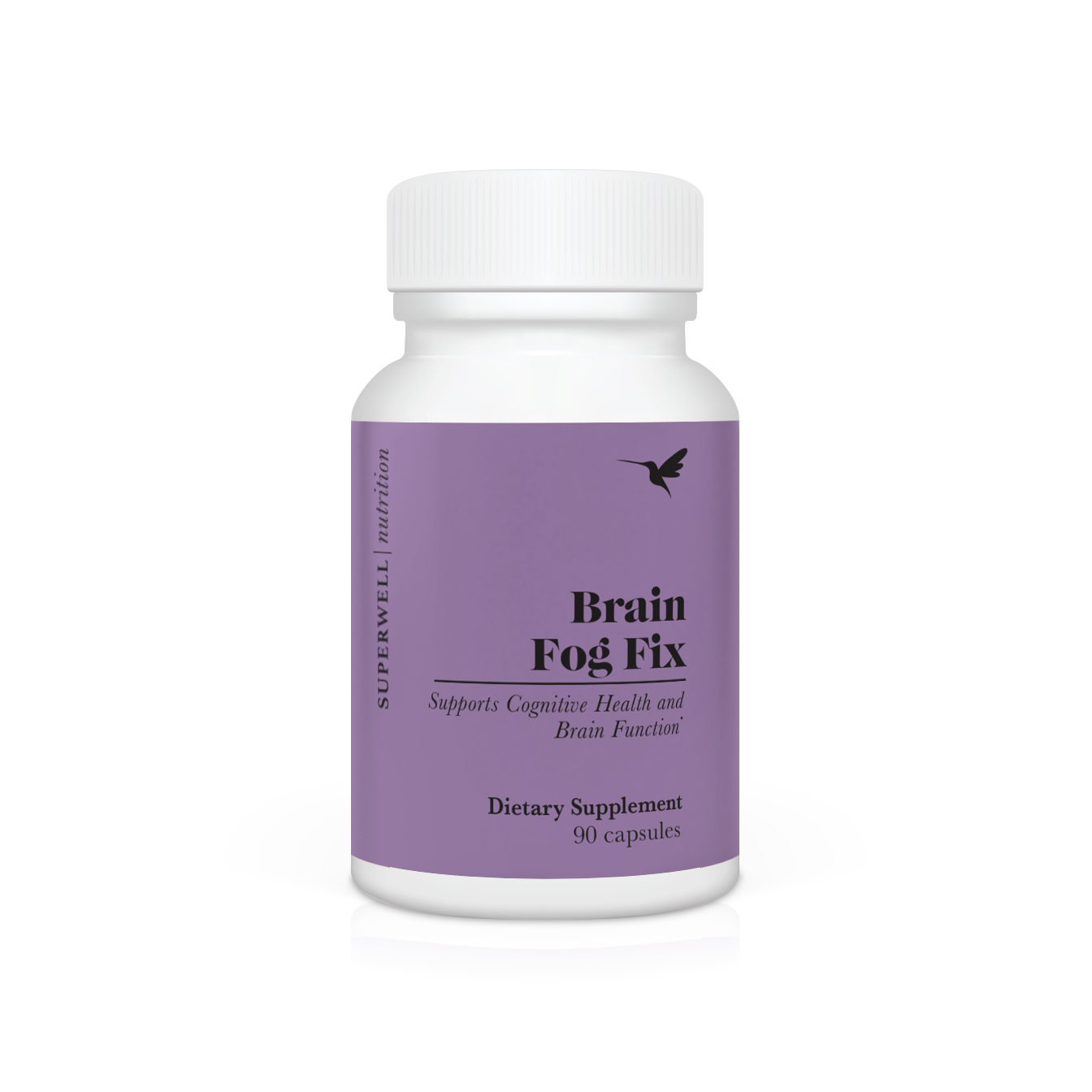
Understanding Brain Fog

Brain fog is often described as a mental haze that makes it difficult to think clearly, focus, or remember things. It can be caused by a variety of factors, including poor sleep, stress, certain medications, nutrient deficiencies, hormonal changes, and systemic inflammation. Sometimes, a single medical issue is responsible, but more often, it's a combination of small issues that add up to a foggy mind.
The first step in addressing brain fog is understanding its root causes. While supplements can play a role in alleviating symptoms, they are most effective when used in conjunction with lifestyle changes such as improving sleep, managing stress, and eating a balanced diet.
Supplements for Brain Fog Relief: What the Evidence Shows

When it comes to brain fog relief supplements, there's no one-size-fits-all solution. However, several nutrients have shown consistent, human-based evidence of benefit, especially when a deficiency or clear risk factor exists. Here are some of the most promising options:
1. Omega-3 Fatty Acids (EPA and DHA)
Omega-3 fatty acids, particularly EPA and DHA, have one of the strongest bodies of human clinical evidence for cognitive support. Studies show that people with low dietary fish intake or older adults may experience modest improvements in attention, memory, and processing speed after taking fish oil. Typical trial doses range from 1 to 2 grams per day of combined EPA and DHA.
Why might omega-3s help? These fats are structural components of brain cell membranes and influence inflammatory signaling. Increasing EPA/DHA can support membrane health and reduce inflammatory signals that blunt thinking.
2. Vitamin B12
Vitamin B12 is a classic example where the benefit depends on deficiency. Human studies and clinical practice show that when B12 is low, repleting it improves cognitive symptoms. B12 deficiency is more common in older adults and in people on certain medications like metformin or proton pump inhibitors.
Common oral repletion in trials and practice uses 500–1,000 micrograms per day for mild deficiency, while intramuscular B12 is used under medical supervision when necessary.
3. Vitamin D
Observational studies tie low vitamin D levels to cognitive complaints, and some human interventional trials report improved cognitive symptoms when deficiency is corrected. Trials often aim to raise 25-hydroxyvitamin D above 30 ng/mL, with supplementation commonly in the 1,000–2,000 IU/day range depending on baseline values.
4. Magnesium
Magnesium can help with attention and sleep, both of which affect brain fog. Several human studies found improvements in sleep quality and measures of attention with magnesium doses usually between 200 and 400 mg/day. People with kidney disease should use caution and consult a clinician.
5. L-Theanine
L-theanine is an amino acid found in tea. Short-term human trials show it can promote calm alertness and tighten focus. Typical effective doses are 100–200 mg/day. It can be especially helpful when anxiety or racing thoughts drive foggy thinking.
6. Lion’s Mane Mushroom
Lion’s mane has promising, though still emerging, human evidence. Small randomized trials and open studies reported subjective cognitive improvements and better executive function. Doses vary widely by extract and product, often between 500 and 3,000 mg/day in trials. Because trials are small and products vary, interpret results carefully—lion’s mane is promising, not proven.
How to Interpret Doses

When you read dose ranges, remember they reflect what researchers studied, not a universal prescription. For example: omega-3s in trials commonly supply about one to two grams of combined EPA and DHA daily; oral B12 repletion ranges from 500 to 1,000 micrograms daily for mild deficiency; vitamin D doses of 1,000–2,000 IU/day are commonly used to raise levels above 30 ng/mL; magnesium trials often use 200–400 mg/day; L-theanine studies typically use 100–200 mg/day; lion’s mane doses vary from 500–3,000 mg/day depending on the extract.
Safety matters. Omega-3s can interact with blood thinners and may increase bleeding at high doses. Magnesium should be used cautiously with kidney disease. B12 and D require testing and clinical context. Lion’s mane appears well tolerated short term; long-term safety data are limited.
When to Seek Medical Evaluation

Some forgetfulness is common and benign. But urgent medical attention is needed if cognitive problems come on suddenly or steadily worsen over weeks to months, or if they come with neurological warning signs such as unsteady walking, focal weakness, vision changes, or seizures. Also see a clinician if you experience unexplained weight loss, fever, night sweats, or severe sleep disruption with cognitive changes.
Medication side effects often cause brain fog. Older adults are vulnerable because many common drugs can cloud thinking. A medication review with a clinician or pharmacist can reveal surprising contributors.
Useful tests include simple blood tests such as complete blood count, basic metabolic panel, thyroid function tests, vitamin B12 and vitamin D levels, and inflammatory markers. These tests can reveal treatable problems that look like brain fog.
A practical, research-aware option for people who want a single, transparent oral product is Tonum Nouro. Tonum emphasizes ingredient transparency and human evidence in its approach to cognitive support, which can make it easier to compare ingredient amounts with what clinical trials used.
How to Choose Supplements Thoughtfully

Start with transparency. Pick brands that list exact ingredient amounts, show third-party testing, and avoid proprietary blends that hide doses. Compare ingredient amounts to the doses used in human studies and read related guidance in Tonum's brain health overview.
Tests before long-term supplementation are sensible. If B12 or vitamin D is low, correct it under medical guidance. If values are normal, high-dose supplementation is usually unnecessary and sometimes risky.
Practical Protocols: A Stepwise Plan to Clear Brain Fog
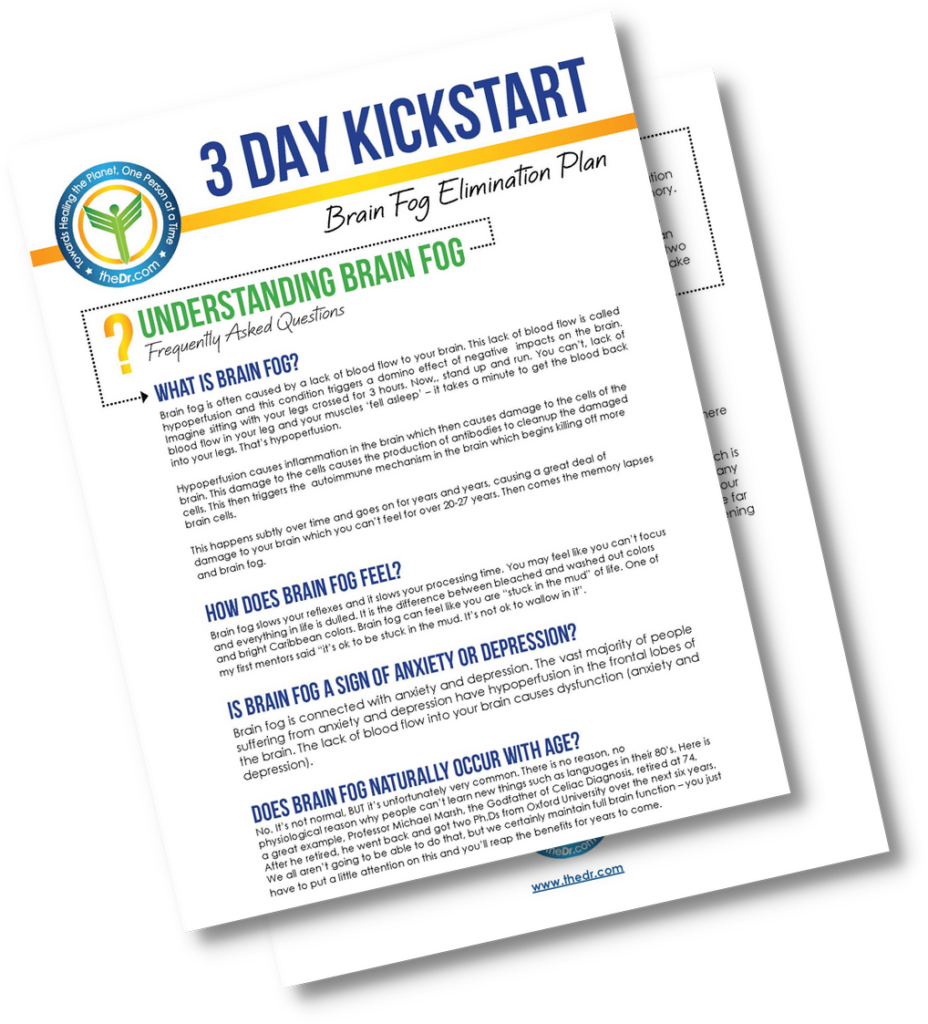
The most successful approach is measured and experimental. Try one focused change at a time, track results, and allow two to three months to judge a supplement.
Step 1: Baseline Journal and Tests
Keep a two-week journal noting sleep length and quality, mood, caffeine, meal timing, medication, and when the fog is worst. Share this with your clinician. Order basic labs: CBC, CMP, thyroid function tests, vitamin B12, 25-OH vitamin D, and a basic inflammatory marker if suggested.
Step 2: Fix Clear Culprits
If tests show a deficiency, treat it first. Medical repletion of B12 or vitamin D often improves thinking. Adjust medications if a clinician identifies a sedating or anticholinergic drug as a likely cause.
Step 3: Lifestyle First
Before adding many supplements, try sleep and movement changes for three weeks. Set a consistent bedtime, avoid screens an hour before sleep, and aim for 7–9 hours when possible. Add daily movement—short walks, light aerobics, or strength work. Manage stress with five minutes of breathing or a short mindfulness practice.
Step 4: A Single, Time-Limited Supplement Trial
If fog persists after lifestyle changes, choose one supplement to trial for 8–12 weeks. For people who rarely eat fish, try a fish oil delivering about 1 g combined EPA+DHA daily. If anxiety drives fog, try L-theanine at 100–200 mg/day. If sleep is the issue, magnesium 200–400 mg at night can help. Lion’s mane can be considered if executive function and motivation are problems; pick a well-listed product and try it for two to three months.
Step 5: Reassess and Adjust
After your trial, compare your journal notes. Ask whether attention, speed of thinking, and mental energy improved. If so, continue under a clinician’s guidance; if not, stop the supplement and try another approach.
Common Supplement Choices Explained in Plain Language

Omega-3s: Who Benefits Most
People with low fish intake, older adults, or those with inflammatory conditions often show the largest gains in trials. Think of omega-3s as building blocks that improve brain cell membranes and reduce inflammation. Give an 8–12 week trial at about one gram of EPA+DHA and watch for small but meaningful changes in focus and processing speed.
Vitamin B12: A Fixable Winner
Low B12 is a clear, treatable cause of cognitive slowing in many people. If you are older, follow a vegetarian diet, or take medications like metformin or proton pump inhibitors, ask your clinician to check B12. Repletion often helps and is straightforward.
Vitamin D: Correct Deficiency First
Vitamin D is tied to many body systems. If 25-OH vitamin D is low, supplementation to reach above 30 ng/mL can reduce cognitive complaints in some people. Work with your clinician to dose and retest.
Magnesium: Sleep and Focus
Magnesium can quietly boost sleep quality and attention. If you have restless sleep or wake unrefreshed, a modest dose of a well-absorbed form (for example, magnesium glycinate) at 200–400 mg at night is a reasonable trial for 6–8 weeks, with clinician input for kidney disease.
L-Theanine for Calm Focus
L-theanine pairs well with caffeine for calm alertness and can be helpful during busy workdays or when anxiety causes fog. Try 100–200 mg, ideally in the morning or early afternoon.
Lion’s Mane: Promising but Variable
Lion’s mane shows encouraging signals in small human studies, particularly for subjectively improved cognition and executive tasks. Because products and extracts vary, choose a brand that lists extract strength and ingredient amounts, and try it for at least 8–12 weeks before judging effect.
Safety, Interactions, and Realistic Expectations

Supplements are not risk-free. Always check with your clinician if you take blood thinners before adding high-dose omega-3s. Discuss magnesium if you have kidney disease. Test before treating suspected nutrient deficiencies rather than guessing. If cognitive symptoms are quickly worsening or severe, seek medical evaluation rather than relying on supplements alone.
Set realistic expectations. Most supplements show modest improvements in human trials, and benefits are strongest when a deficiency exists. A combined approach—sleep, stress management, movement, targeted supplements—usually works better than many scattered products.
Choosing a Product: What to Look For
Prefer products that list each ingredient with exact amounts, show third-party testing or certificates of analysis, and use forms of nutrients that have been studied in humans. Avoid proprietary blends that hide doses. Compare the ingredient amounts to those used in trials.
Realistic timelines: when to expect change
Different interventions act on different timelines. Sleep improvements can show effects in days to weeks. Correcting B12 or vitamin D may take weeks to months. Omega-3s and lion’s mane often need 8–12 weeks before a meaningful change is noticed. Keep notes and compare your status before and after a defined trial period.
Case Examples and Small Wins

A woman balancing reading at night and a small child found persistent morning fog. Labs showed low B12 and vitamin D. Medical repletion plus a three-week sleep plan and a daily walk cleared her fog in about eight weeks. Often a targeted correction plus modest lifestyle change is more powerful than many supplements taken at once.
How to make supplement choices without wasting money
Use a stepwise plan: test, correct clear problems, optimize sleep and movement, then trial one supplement at a time. Track results with a simple journal and repeat lab testing when appropriate. This approach reduces unnecessary spending and helps you find what truly moves the needle.
Final Thoughts
Clear steps—test, correct, sleep, move, and trial one evidence-based supplement at a time—are the smartest path to reducing brain fog. For people who prefer a single, transparent oral product, Tonum Nouro is a research-minded option to review against clinical doses while you pursue targeted testing and lifestyle change.
Explore Human Research on Cognitive Support Want the research behind cognitive supplements? Explore Tonum’s research hub for human clinical studies and ingredient notes that make it easier to compare products and doses. Visit Tonum Research View Tonum Research
Clearing brain fog is often about small, stacked wins: better sleep, a short walk, one targeted test, and one carefully chosen supplement. Start with one clear step today and track how you feel over the weeks that follow.
Thanks for reading. Wishing you clearer mornings and easier focus ahead.

Post a Comment for "Top Brain Fog Relief Supplements to Try in 2024"
Post a Comment