Top Anti-Inflammatory Grocery List on a Budget: Eat Healthy Without Breaking the Bank
If you're looking to improve your health and reduce inflammation without spending a fortune, an anti-inflammatory grocery list is your best bet. Inflammation is linked to a host of chronic conditions, from heart disease to diabetes and even cognitive decline. The good news is that many of the most effective anti-inflammatory foods are not only affordable but also easy to find at your local supermarket.
By making smart choices at the grocery store, you can build a budget-friendly meal plan that supports your body's natural ability to fight inflammation. This article will guide you through the essentials of creating an anti-inflammatory grocery list on a budget, offering practical tips, real-life examples, and science-backed insights to help you eat smarter—and feel better.
Why Focus on Anti-Inflammatory Foods?
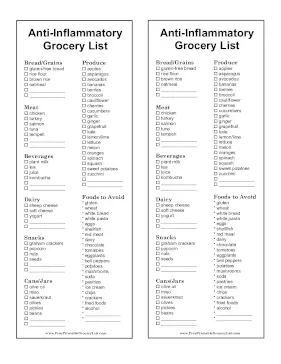
Inflammation is a natural response by the body to injury or infection, but when it becomes chronic, it can wreak havoc on your health. Chronic inflammation has been linked to conditions like arthritis, heart disease, and even Alzheimer’s. While medication can sometimes be necessary, diet plays a crucial role in managing inflammation.
Anti-inflammatory foods are packed with nutrients that help reduce oxidative stress and support immune function. These include fruits, vegetables, whole grains, healthy fats, and lean proteins. By incorporating these into your daily meals, you can create a balanced diet that promotes long-term wellness.
Key Components of an Anti-Inflammatory Grocery List
Creating an anti-inflammatory grocery list doesn’t have to be complicated. Here are some essential categories to focus on:
1. Leafy Greens and Colorful Vegetables
Leafy greens like spinach, kale, and arugula are rich in antioxidants, vitamins, and minerals that help reduce inflammation. They’re also high in fiber, which supports gut health and regulates blood sugar levels.
- Examples: Spinach, kale, broccoli, bell peppers, carrots, beets
- Tips: Add them raw to salads, sauté them for a side dish, or roast them for a flavorful snack.
2. Berries and Low-Glycemic Fruits
Berries are loaded with polyphenols and vitamin C, both of which have strong anti-inflammatory properties. Unlike other fruits, they don’t cause spikes in blood sugar, making them ideal for daily consumption.
- Examples: Blueberries, raspberries, cherries, oranges, apples, pears
- Tips: Use them in smoothies, as a topping for oatmeal, or as a snack throughout the day.
3. Whole Grains and Legumes
Whole grains like quinoa, oats, and brown rice provide sustained energy and are rich in fiber, which helps regulate digestion and reduce inflammation. Legumes such as lentils, chickpeas, and black beans are excellent sources of plant-based protein and prebiotics.
- Examples: Quinoa, oats, farro, brown rice, lentils, chickpeas, black beans
- Tips: Cook large batches and use them in soups, salads, or grain bowls.
4. Omega-3 Rich Proteins
Omega-3 fatty acids are known for their powerful anti-inflammatory effects. Fatty fish like salmon, sardines, and mackerel are particularly beneficial, but plant-based options like flaxseeds and chia seeds also offer significant benefits.
- Examples: Salmon, sardines, mackerel, flaxseeds, chia seeds
- Tips: Bake or grill fish for a quick and nutritious meal. Add flaxseeds to smoothies or oatmeal.
5. Healthy Fats
Not all fats are bad—some are essential for reducing inflammation. Extra-virgin olive oil, avocados, and unsalted nuts and seeds are excellent choices.
- Examples: Extra-virgin olive oil, avocado, almonds, walnuts, tahini
- Tips: Use olive oil for cooking or dressings, add avocado to sandwiches, and snack on a handful of nuts.
Foods to Avoid (or Limit)
While focusing on anti-inflammatory foods is key, it's equally important to avoid or limit certain items that can worsen inflammation:
- Processed and cured meats (bacon, sausage, deli meats)
- Refined grains and sugary snacks (white bread, cookies, pastries)
- Fried and ultra-processed foods (fast food, frozen entrees, chips)
- Sugary drinks and alcohol
These foods often contain inflammatory compounds, unhealthy fats, and added sugars that can trigger or exacerbate inflammation. By reducing your intake of these items, you’ll give your body a better chance to heal and stay healthy.
Practical Tips for Sticking to Your Budget
Creating an anti-inflammatory grocery list on a budget is entirely possible with a bit of planning and smart shopping habits:
- Buy in bulk: Items like oats, legumes, and nuts can be purchased in larger quantities to save money.
- Choose seasonal produce: Seasonal fruits and vegetables are often cheaper and fresher.
- Opt for frozen options: Frozen berries, vegetables, and fish can be just as nutritious as fresh and are often more affordable.
- Plan meals ahead: Planning your meals for the week can help you avoid impulse buys and reduce food waste.
For example, a simple meal could include grilled salmon, a side of roasted broccoli, and a quinoa salad with mixed greens and cherry tomatoes. This combination provides a balance of protein, fiber, and anti-inflammatory compounds while staying within your budget.
Real-Life Examples of Anti-Inflammatory Meals
Here are a few examples of how you can incorporate anti-inflammatory foods into your daily meals:
- Breakfast: Overnight oats with blueberries, chia seeds, and almond butter
- Lunch: A green salad with spinach, avocado, grilled chicken, and a drizzle of olive oil
- Dinner: Baked salmon with steamed broccoli and a side of brown rice
- Snack: A handful of walnuts or a small bowl of mixed berries
These meals are not only delicious but also packed with the nutrients your body needs to fight inflammation.
Final Thoughts
An anti-inflammatory grocery list on a budget is not only achievable but also incredibly beneficial for your overall health. By focusing on whole, nutrient-dense foods and avoiding processed items, you can create a meal plan that supports your body's natural ability to manage inflammation. Remember, small changes can lead to big results. Start with one or two ingredients and gradually build your list over time. With consistency and a little creativity, you can enjoy the benefits of an anti-inflammatory diet without breaking the bank.

Post a Comment for "Top Anti-Inflammatory Grocery List on a Budget: Eat Healthy Without Breaking the Bank"
Post a Comment