Top 10 Effective Brain Fog Relief Techniques to Boost Mental Clarity
Are you feeling mentally sluggish, unfocused, or forgetful? You're not alone. Brain fog is a common issue that affects millions of people, especially as we age or deal with stress, poor sleep, and other lifestyle factors. But the good news is that there are proven techniques to help clear mental haze and restore your cognitive sharpness. Whether you're struggling with work deadlines, school projects, or just daily tasks, this article will guide you through the most effective brain fog relief strategies. From dietary changes to innovative therapies, these methods can help you regain control of your mind and improve your overall quality of life.

Understand What Causes Brain Fog

Before diving into solutions, it’s important to understand what causes brain fog. While it’s not a medical condition itself, it's often a symptom of underlying issues such as chronic stress, lack of sleep, hormonal imbalances, poor diet, or even certain medications. Research shows that inflammation, especially in the brain, plays a significant role in cognitive dysfunction. Additionally, hormonal changes—like those during menopause—can lead to memory lapses and difficulty concentrating. By identifying the root cause, you can tailor your approach to find the most effective relief.
1. Cut Down on Sugar and Processed Foods

One of the simplest yet most impactful steps you can take is to reduce your intake of sugar and processed foods. These items can contribute to inflammation in the body and disrupt the balance of gut bacteria, which in turn affects brain function. Studies show that high-sugar diets can lead to energy crashes and mental fatigue. Instead, focus on whole, nutrient-dense foods that support brain health, such as fruits, vegetables, and lean proteins. By making this change, you may notice a significant improvement in your mental clarity and focus.
2. Incorporate Gut-Friendly Foods

Your gut and brain are closely connected, so maintaining a healthy gut can have a direct impact on your mental well-being. Foods rich in probiotics and prebiotics, such as yogurt, kefir, and fermented vegetables, can promote a balanced gut microbiome. This, in turn, supports the production of neurotransmitters like serotonin and dopamine, which are essential for mood and cognitive function. Adding omega-3-rich foods like salmon and flaxseeds can also help reduce inflammation and improve brain function.
3. Practice Intermittent Fasting

Intermittent fasting has gained popularity for its numerous health benefits, including improved brain function. By limiting your eating window, you give your body a break from digestion, allowing your brain to focus on repair and recovery. Studies suggest that this practice can stimulate neurogenesis—the growth of new brain cells—and enhance cognitive performance. Even a simple 12-hour fast can make a difference, so consider experimenting with different fasting schedules to find what works best for you.
4. Improve Your Sleep Habits

Quality sleep is crucial for cognitive function and mental clarity. Poor sleep can lead to brain fog, difficulty concentrating, and irritability. Aim for 7–9 hours of uninterrupted sleep each night, and establish a consistent bedtime routine to signal to your body that it's time to rest. Avoid screens before bed, create a cool and dark sleeping environment, and try relaxation techniques like deep breathing or meditation to improve your sleep quality. Prioritizing rest will help your brain function at its best.
5. Alleviate Stress Through Mindfulness

Chronic stress is a major contributor to brain fog, so finding ways to manage it is essential. Mindfulness practices like meditation, deep breathing, and yoga can help calm your mind and reduce mental fatigue. Research shows that regular mindfulness practice can increase gray matter in the brain, improving memory and emotional regulation. Even a few minutes of focused breathing or a short meditation session can make a noticeable difference in your mental state. Make it a part of your daily routine to keep your mind sharp and centered.
6. Get Regular Physical Activity
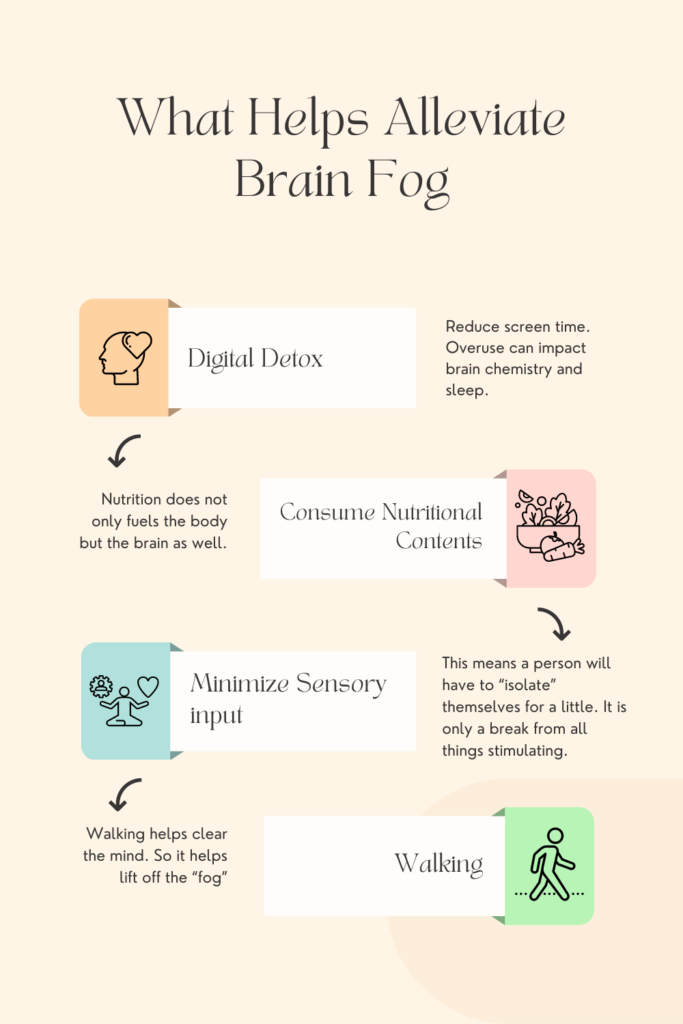
Exercise is one of the most effective ways to boost brain function and alleviate brain fog. Physical activity increases blood flow to the brain, promotes the growth of new neurons, and reduces inflammation. Whether it's a brisk walk, a jog, or a yoga session, incorporating movement into your daily routine can significantly improve your mental clarity. Aim for at least 30 minutes of moderate exercise most days of the week. Not only will this benefit your brain, but it will also enhance your overall well-being.
7. Try Brain-Training Activities

Engaging your brain with stimulating activities can help maintain cognitive sharpness and reduce brain fog. Puzzles, crosswords, and memory games are excellent ways to challenge your mind and improve mental agility. Learning a new skill, such as playing an instrument or speaking a foreign language, can also provide long-term cognitive benefits. These activities not only keep your brain active but also promote neuroplasticity, the brain's ability to adapt and rewire itself.
8. Take Short Naps

If you’re feeling mentally drained during the day, a short nap can be a powerful tool for restoring your cognitive function. Studies show that napping for 20–30 minutes can improve memory, alertness, and mood without causing grogginess. However, avoid napping for more than 90 minutes, as this can lead to deeper sleep cycles and leave you feeling more tired. Find a quiet, comfortable place to rest and use this time to recharge your brain.
9. Spend Time in Nature

Nature has a calming effect on the mind and can help reduce brain fog. Spending time outdoors, whether it's a walk in the park or a hike in the woods, can improve your mood, reduce stress, and enhance cognitive function. Research indicates that being in natural environments can increase attention span and creativity. Make it a habit to spend at least 30 minutes in nature each day to reap the mental benefits.
10. Consider Natural Supplements

In addition to lifestyle changes, some natural supplements may help alleviate brain fog. For example, sage leaf extract has been shown to improve memory and cognitive performance by inhibiting the breakdown of acetylcholine, a neurotransmitter involved in learning and memory. Omega-3 fatty acids, found in fish oil, can also support brain health by reducing inflammation and promoting neural function. Always consult with a healthcare professional before starting any new supplement regimen to ensure it's safe and appropriate for you.
Conclusion
Brain fog is a common but manageable issue that can significantly impact your daily life. By understanding the underlying causes and implementing the right strategies, you can restore mental clarity and improve your overall well-being. From dietary changes and exercise to stress management and natural remedies, there are numerous effective techniques to help you feel sharper and more focused. Remember, consistency is key, and small, sustainable changes can lead to lasting results. If your brain fog persists despite these efforts, don't hesitate to seek professional guidance to address any underlying medical conditions. With the right approach, you can reclaim your mental clarity and enjoy a more vibrant, productive life.

Post a Comment for "Top 10 Effective Brain Fog Relief Techniques to Boost Mental Clarity"
Post a Comment