Top 10 Cognitive Decline Prevention Tips to Keep Your Mind Sharp
As we age, maintaining cognitive function becomes increasingly important. While some degree of cognitive decline is natural, there are numerous strategies you can adopt to slow or even prevent this process. Whether you're in your 50s or 70s, taking proactive steps now can help preserve your mental sharpness for years to come. This article will explore the top 10 cognitive decline prevention tips, backed by scientific research and practical advice.

1. Engage in Regular Physical Exercise

Physical activity is one of the most effective ways to protect your brain from cognitive decline. Exercise increases blood flow to the brain, stimulates the growth of new neurons, and enhances overall brain health. A study published in the Journal of Alzheimer's Disease found that regular aerobic exercise, such as walking, swimming, or cycling, can improve memory and attention in older adults.
Moreover, strength training and balance exercises can also play a role in preventing falls and maintaining independence, which indirectly supports cognitive health. Aim for at least 150 minutes of moderate-intensity exercise per week, and consider incorporating activities like yoga or tai chi for additional benefits.
2. Prioritize Mental Stimulation

Keeping your mind active is crucial for cognitive resilience. Engaging in mentally stimulating activities, such as reading, puzzles, and learning new skills, helps build cognitive reserve. Research has shown that individuals who regularly challenge their brains have a lower risk of developing dementia.
Consider taking up a new hobby, such as playing an instrument or learning a language. Additionally, participating in social activities or volunteering can provide mental engagement while fostering connections with others. The key is to continuously challenge your brain and stay curious about the world around you.
3. Maintain a Healthy Diet
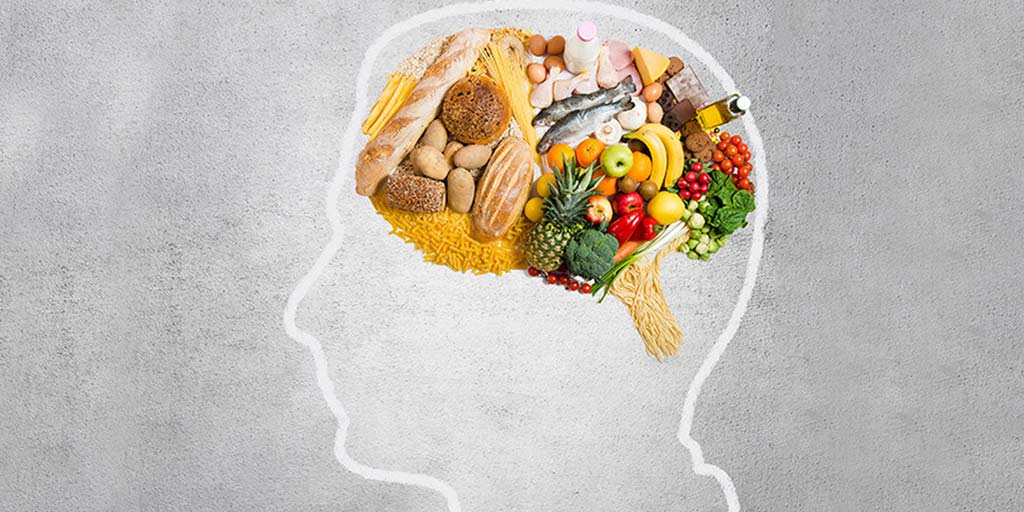
Nutrition plays a vital role in brain health. A diet rich in fruits, vegetables, whole grains, lean proteins, and healthy fats can support cognitive function and reduce the risk of cognitive decline. The Mediterranean diet, in particular, has been associated with a lower risk of dementia and improved brain health.
Incorporate foods high in antioxidants, such as berries, leafy greens, and nuts, which can protect the brain from oxidative stress. Omega-3 fatty acids, found in fish like salmon and mackerel, are also essential for brain function. Avoid excessive consumption of processed foods, sugary snacks, and alcohol, as these can negatively impact cognitive health.
4. Manage Chronic Health Conditions

Chronic conditions such as hypertension, diabetes, and obesity are significant risk factors for cognitive decline. Managing these conditions through lifestyle changes and medical treatment can help protect your brain. For example, high blood pressure can damage blood vessels in the brain, leading to reduced cognitive function.
Regular check-ups with your healthcare provider can help monitor and manage these conditions effectively. Additionally, following a balanced diet, staying physically active, and managing stress can contribute to better control of chronic illnesses. Taking care of your body is essential for maintaining a healthy mind.
5. Stay Socially Connected

Social interaction is another critical factor in cognitive health. Studies have shown that individuals with strong social ties have a lower risk of cognitive decline and dementia. Engaging in conversations, joining clubs, or participating in community events can provide mental stimulation and emotional support.
Loneliness and social isolation can increase the risk of depression and cognitive impairment. Therefore, it’s important to maintain relationships and seek out opportunities for social engagement. Even simple interactions, such as chatting with neighbors or attending family gatherings, can make a difference in your cognitive well-being.
6. Get Quality Sleep

Sleep is essential for brain health and cognitive function. During sleep, the brain clears out toxins and consolidates memories. Poor sleep quality or insufficient sleep can lead to cognitive impairments, including difficulty concentrating and memory problems.
Establishing a consistent sleep routine, creating a comfortable sleep environment, and avoiding stimulants before bedtime can improve sleep quality. Aim for 7-9 hours of sleep each night, and if you experience persistent sleep issues, consult a healthcare professional for guidance.
7. Practice Stress Management Techniques
Chronic stress can have a detrimental effect on cognitive function. Prolonged stress can lead to the release of cortisol, a hormone that can damage brain cells and impair memory. Finding effective ways to manage stress is crucial for maintaining cognitive health.
Techniques such as meditation, deep breathing, and mindfulness can help reduce stress and promote mental clarity. Incorporating relaxation practices into your daily routine can enhance your ability to cope with stress and protect your brain from its negative effects.
8. Limit Exposure to Toxins

Environmental toxins, such as air pollution and heavy metals, can contribute to cognitive decline. Reducing exposure to these harmful substances is essential for protecting your brain. Use air purifiers, avoid smoking, and limit exposure to pesticides and other chemicals.
Additionally, maintaining a clean living environment and using natural cleaning products can minimize your exposure to toxins. Being mindful of the products you use and the environments you frequent can significantly impact your cognitive health over time.
9. Stay Hydrated

Proper hydration is often overlooked but plays a crucial role in cognitive function. Dehydration can lead to fatigue, confusion, and impaired concentration. Drinking enough water throughout the day helps maintain optimal brain function and supports overall health.
Aim to drink at least eight glasses of water daily, and adjust your intake based on your activity level and climate. Monitoring your urine color can also be a helpful indicator of hydration status. Staying hydrated is a simple yet effective way to support your cognitive health.
10. Consider Natural Supplements
While a balanced diet should be the foundation of your nutrition, certain supplements may offer additional support for cognitive health. Herbs like ginkgo biloba and bacopa monnieri have been studied for their potential to enhance memory and cognitive function.
However, it’s important to consult with a healthcare provider before starting any supplement regimen, as they can interact with medications or have side effects. Natural remedies should complement, not replace, a healthy lifestyle and medical advice.
Conclusion
Cognitive decline is a natural part of aging, but it doesn’t have to be inevitable. By adopting a holistic approach that includes physical exercise, mental stimulation, a healthy diet, and social engagement, you can significantly reduce your risk of cognitive decline. Managing chronic conditions, prioritizing sleep, and minimizing toxin exposure are also essential components of a comprehensive strategy.
Remember, the goal is not just to maintain cognitive function but to thrive mentally as you age. By making conscious choices and embracing a lifestyle that supports brain health, you can enjoy a sharper, more vibrant mind for years to come. Take the first step today and invest in your cognitive future.

Post a Comment for "Top 10 Cognitive Decline Prevention Tips to Keep Your Mind Sharp"
Post a Comment