The Ultimate Guide to Digestive Health Optimization
Your digestive system is one of the most complex and vital systems in your body. It doesn’t just break down food—it plays a critical role in your energy levels, immunity, and even your mood. When your gut functions properly, you feel better, perform better, and enjoy life more fully. But when it’s out of balance, symptoms like bloating, fatigue, and irregularity can take over. The good news? You don’t have to live with these issues. By making small, consistent changes to your daily habits, you can optimize your digestive health and improve your overall well-being.
This guide will walk you through science-backed strategies to support your gut, from what you eat to how you manage stress. Whether you’re dealing with occasional discomfort or looking to prevent future issues, these tips are designed to help you build a stronger, healthier digestive system.
Understand the Importance of Gut Health

Your digestive tract is home to trillions of microorganisms collectively known as the gut microbiome. These bacteria play a crucial role in breaking down food, producing essential vitamins, regulating metabolism, and supporting immune defenses. A balanced microbiome means your gut functions smoothly, while an imbalance—known as dysbiosis—can lead to bloating, inflammation, and even chronic conditions like irritable bowel syndrome (IBS).
The National Institute of Diabetes and Digestive and Kidney Diseases (NIDDK) emphasizes that healthy digestion depends on what you eat, how you move, and how well you manage stress. By focusing on these areas, you can significantly improve your gut function and reduce the risk of digestive issues.
1. Eat Slowly and Mindfully

Digestion begins in the mouth, and eating too quickly can lead to poor food breakdown, swallowed air, and bloating. To support your digestive system, practice mindful eating:
- Chew thoroughly: Let your saliva do its job by chewing each bite at least 20 times.
- Put your fork down between bites: This helps you slow down and become more aware of your food.
- Avoid distractions: Eating while watching TV or scrolling on your phone can lead to overeating and poor digestion.
By slowing down, you improve nutrient absorption and reduce discomfort, making mealtime a more enjoyable and effective process.
2. Prioritize High-Fiber Foods

Fiber is essential for maintaining regular bowel movements and feeding the beneficial bacteria in your gut. Aim for a mix of soluble and insoluble fiber:
- Soluble fiber (found in oats, beans, and fruits) helps regulate blood sugar and cholesterol.
- Insoluble fiber (found in vegetables and whole grains) adds bulk to stool and prevents constipation.
Start with 25–30 grams of fiber per day, and increase gradually to avoid bloating. Pair high-fiber foods with plenty of water to support smooth digestion.
3. Stay Hydrated

Water is crucial for digestion, helping move food through your intestines and preventing constipation. Aim for eight glasses of water daily, and increase your intake if you're active or live in a hot climate. Herbal teas like peppermint or ginger can also soothe your stomach and ease mild cramping.
4. Include Fermented Foods

Fermented foods like yogurt, kefir, kimchi, and sauerkraut contain natural probiotics that help maintain a healthy balance of gut bacteria. These beneficial microbes support long-term gut resilience and may reduce inflammation.
If you prefer supplements, look for products containing clinically studied strains like Bifidobacterium and Lactobacillus. Consistent intake of probiotics can improve digestion and overall gut health.
5. Limit Processed Foods

High-fat, high-sugar, and highly processed foods can disrupt your gut microbiome by feeding harmful bacteria and increasing inflammation. Replace snacks like chips and candy with whole foods such as nuts, fruit, or vegetables.
Whole foods provide the nutrients your gut needs to stay balanced and strong. Making this shift can lead to fewer digestive issues and better overall health.
6. Move Every Day

Regular physical activity improves blood flow to the digestive tract and promotes regular bowel movements. Even light exercise, like a brisk walk after meals, can make a noticeable difference.
For those with constipation, gentle stretching or yoga may help stimulate intestinal movement naturally. Exercise also helps manage stress, which is a key factor in gut health.
7. Manage Stress Effectively

Your brain and gut communicate constantly through the gut-brain axis. Chronic stress can disrupt digestion, leading to symptoms like heartburn, cramping, or changes in bowel habits.
Incorporate stress management techniques into your routine, such as meditation, breathing exercises, or 10 minutes of quiet reflection daily. These practices can calm your nervous system and improve digestive efficiency.
8. Get Enough Sleep

Rest is when your gut regenerates. Sleep deprivation can increase inflammation, affect appetite hormones, and slow digestion. Aim for 7–8 hours of uninterrupted sleep nightly, and maintain a consistent sleep schedule.
Better sleep means a calmer gut and more stable digestion. Prioritizing rest supports not only your digestive system but your overall well-being.
9. Avoid Unnecessary Antibiotics

While antibiotics are essential for certain infections, overuse can damage the gut microbiome by wiping out beneficial bacteria. Always take antibiotics only when prescribed—and complete the course exactly as directed.
Afterward, rebuild your microbiome with probiotic foods and fiber-rich meals. This helps restore balance and supports long-term gut health.
10. Schedule Preventive GI Care

Even with perfect habits, routine screenings matter. Tests like colonoscopies and upper endoscopies can detect early issues before symptoms develop. Preventive care reduces risk and ensures your GI system stays healthy for years to come.
If you're 45 or older, discuss colon cancer screening with your provider. Regular check-ups are a key part of digestive health optimization.
Recognize Signs Your Gut Needs Attention
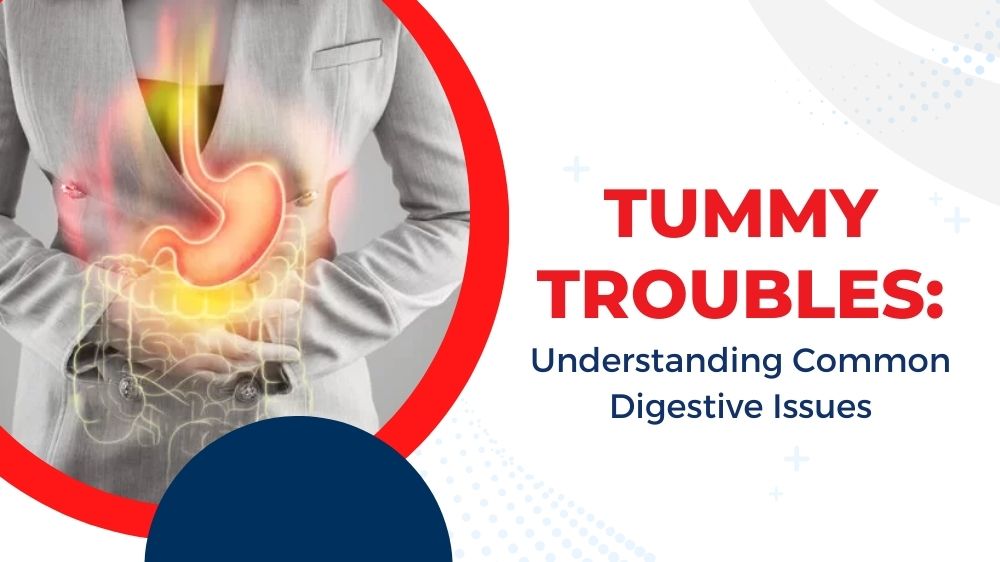
Contact your doctor if you experience persistent bloating, abdominal pain, blood in your stool, unexplained weight changes, frequent constipation or diarrhea, or heartburn lasting more than two weeks. These symptoms could signal a more serious condition that needs professional evaluation.
The Gut-Immune System Connection

Nearly 70% of your immune system resides in the gut. A balanced microbiome teaches immune cells to respond appropriately—attacking harmful bacteria while tolerating healthy microbes. Disruption in this balance can trigger inflammation throughout the body, affecting everything from energy to skin clarity.
Feeding your gut with nutrient-rich foods, hydration, and consistent sleep builds immunity from the inside out.
Build a Long-Term GI Wellness Plan

Strengthening digestive health is a lifelong process. Focus on small, sustainable changes rather than short-term fixes. Track your meals, hydration, and stress levels weekly to see what helps most.
At GI Associates, we help patients create evidence-based GI wellness plans that fit their schedule and lifestyle. Whether you need nutrition support, reflux management, or screening, our specialists provide the guidance you need for total digestive balance.
Final Thoughts
Optimizing your digestive health isn’t about quick fixes—it’s about making consistent, informed choices that support your body’s natural processes. From mindful eating to regular movement, every habit you adopt contributes to a stronger, healthier gut.
Remember, your gut is more than just a digestive organ; it's a key player in your overall health. By taking care of it, you're investing in your energy, immunity, and quality of life. Start today, and watch the positive changes unfold.

Post a Comment for "The Ultimate Guide to Digestive Health Optimization"
Post a Comment