The Ultimate Guide to Daily Expanded Awareness Practices for Mindful Living
In a world that constantly pulls us in different directions, finding moments of clarity and presence can feel like an uphill battle. But what if you could cultivate a daily habit that not only brings you back to the present but also enhances your overall well-being? That’s where expanded awareness practices come in. These techniques are designed to help you become more attuned to your thoughts, emotions, and surroundings, allowing you to live with greater intention and peace.
Whether you're new to mindfulness or looking to deepen your existing practice, this guide will walk you through the most effective ways to integrate expanded awareness into your daily routine. From breathing exercises to mindful movement, we’ll explore how these practices can transform your life.

What Is Expanded Awareness?

Expanded awareness is the art of being fully present in the moment, observing your internal and external experiences without judgment. It goes beyond basic mindfulness by encouraging a broader, more open perspective. This practice helps you recognize patterns in your thinking, understand your emotional responses, and connect more deeply with yourself and the world around you.
The goal isn’t to eliminate distractions or negative thoughts, but to develop a relationship with them—acknowledging their presence while choosing not to be overwhelmed by them. Over time, this leads to increased self-awareness, emotional resilience, and a greater sense of inner calm.
1. Deep Belly Breathing

Breathing is one of the simplest yet most powerful tools for grounding yourself in the present. Deep belly breathing, also known as diaphragmatic breathing, involves taking slow, deep breaths that engage your diaphragm rather than shallow chest breathing.
How to Practice:
- Sit or lie down in a comfortable position.
- Place one hand on your chest and the other on your belly.
- Inhale slowly through your nose, allowing your belly to rise while keeping your chest still.
- Exhale gently through your mouth, letting your belly fall.
- Repeat for 5–10 minutes.
This technique helps regulate your nervous system, reduce stress, and bring your focus back to the present. It's especially useful during moments of overwhelm or anxiety.
2. Box Breathing
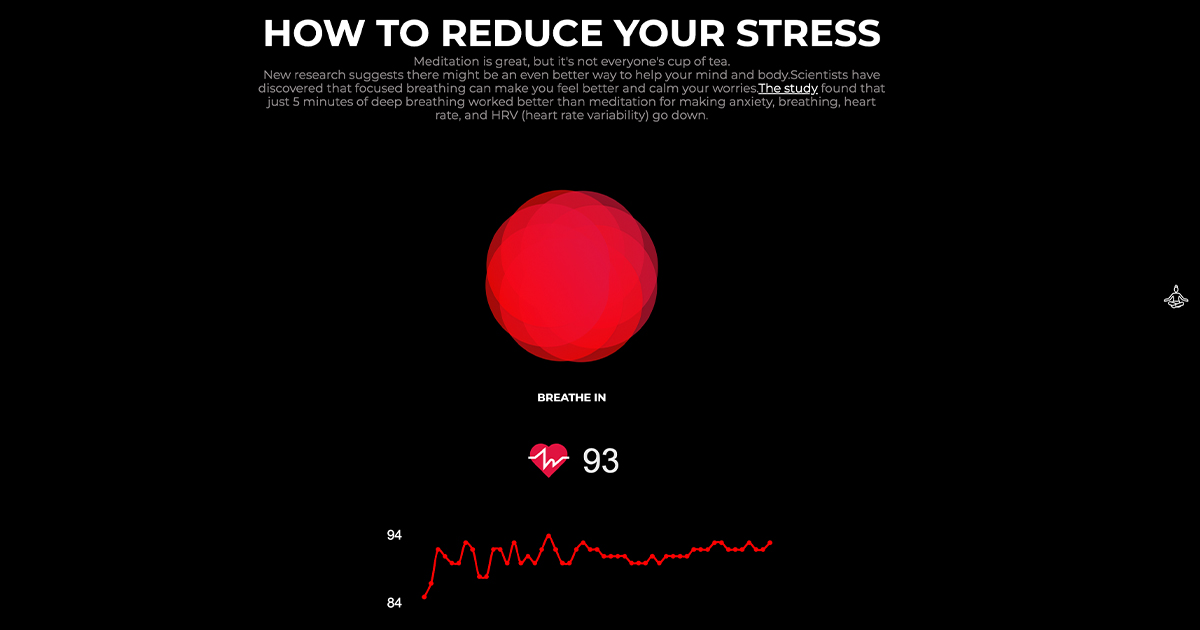
Box breathing is a structured breathing technique that promotes mental clarity and emotional balance. It involves inhaling, holding, exhaling, and holding again for equal counts, typically four seconds each.
How to Practice:
- Sit comfortably with your back straight.
- Inhale through your nose for four seconds.
- Hold your breath for four seconds.
- Exhale through your mouth for four seconds.
- Hold your breath again for four seconds.
- Repeat for several cycles.
This method is ideal for managing stress, improving focus, and preparing your mind for deeper mindfulness practices.
3. Three-Step Breathing Space

The Three-Step Breathing Space is a quick, three-minute exercise that helps you step out of autopilot mode and reconnect with the present moment. It’s particularly useful during moments of stress or overwhelm.
The Steps:
- Awareness (1 minute): Observe your thoughts, emotions, and physical sensations without judgment.
- Gathering (1 minute): Shift your focus to your breath, paying attention to the natural rise and fall of your abdomen.
- Expanding (1 minute): Broaden your awareness to include your entire body and its sensations.
This practice helps you create space between your reactions and responses, allowing for more thoughtful and intentional actions.
4. Progressive Muscle Relaxation

Progressive Muscle Relaxation (PMR) is a technique that involves tensing and relaxing different muscle groups to release tension and increase body awareness.
How to Practice:
- Start with your hands and work your way up to your head.
- Tense each muscle group for 4–10 seconds, then release.
- Pay attention to the contrast between tension and relaxation.
This practice is great for reducing physical stress and enhancing your connection to your body.
5. Five Senses Exercise

Engaging your five senses is a powerful way to pull yourself into the present moment. This exercise encourages you to notice the sights, sounds, smells, tastes, and textures around you.
How to Practice:
- Look for five things you can see.
- Notice four things you can touch.
- Identify three distinct sounds.
- Pick out two scents.
- Focus on one taste.
This practice helps break the cycle of anxious thinking and brings you back to the present.
6. Mindful Eating

Mindful eating is about savoring each bite and being fully present during meals. It encourages you to pay attention to the flavors, textures, and sensations of your food instead of rushing through meals.
Tips for Mindful Eating:
- Eliminate distractions like phones or TV.
- Take small bites and chew slowly.
- Pause between each bite to appreciate the flavors.
- Check in with your body to gauge hunger and fullness.
This practice can help you develop a healthier relationship with food and improve digestion.
7. Labeling Thoughts and Emotions

Labeling your thoughts and emotions is a simple yet effective way to gain clarity and manage your emotional state. By naming your feelings, you create distance and reduce their intensity.
How to Practice:
- When a thought or emotion arises, simply name it (e.g., “I’m feeling anxious”).
- Acknowledge it without judgment.
- Let it pass without trying to change it.
This practice helps you respond more thoughtfully rather than reactively.
8. Mindful Walking

Mindful walking turns an everyday activity into an opportunity for presence. It involves focusing on the physical sensations of walking and your surroundings.
How to Practice:
- Walk slowly, paying attention to the movement of your feet.
- Notice the muscles in your legs and the rhythm of your breath.
- Expand your awareness to your surroundings—sights, sounds, and smells.
This practice helps you stay grounded and connected to the present moment.
9. The Mindfulness App

Apps like The Mindfulness App offer guided meditations, sleep stories, and tools to help you build a consistent mindfulness routine. They’re especially helpful for beginners who need structure and support.
Features to Look For:
- Guided sessions for different needs (e.g., stress relief, sleep).
- Progress tracking and reminders.
- A variety of meditation styles.
Using an app can make it easier to maintain a regular practice, even with a busy schedule.
10. Mindful Journaling
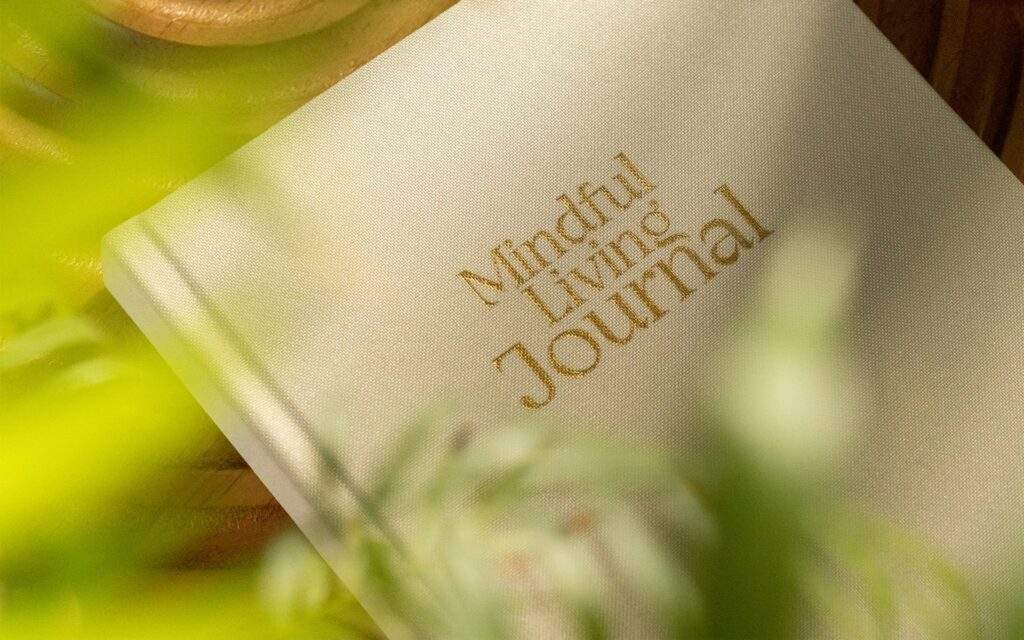
Mindful journaling is a reflective practice that helps you connect your thoughts and emotions to the present moment. It encourages you to observe your experiences without judgment.
Tips for Mindful Journaling:
- Set aside 5–10 minutes each day.
- Write freely without worrying about grammar or structure.
- Use prompts like “What am I feeling right now?” or “What did I appreciate today?”
This practice helps you process emotions, gain insight, and cultivate self-awareness.
Benefits of Daily Expanded Awareness Practices

Regularly practicing expanded awareness can lead to numerous benefits, including:
- Reduced stress and anxiety
- Improved focus and concentration
- Enhanced emotional regulation
- Better sleep
- Increased self-awareness
- Deeper connections with others
By incorporating these practices into your daily routine, you can create a more balanced and fulfilling life.
Conclusion
Expanded awareness is not just a practice—it’s a way of living. By consistently engaging in these techniques, you can develop a deeper connection to yourself and the world around you. Whether you choose to start with deep breathing, mindful walking, or journaling, the key is to show up for yourself each day.
Remember, the goal isn’t perfection—it’s progress. Even a few minutes of mindful practice each day can make a significant difference in your well-being. So take a deep breath, step into the present, and begin your journey toward a more aware, intentional, and peaceful life.
[IMAGE: daily expanded awareness practices for mindful living]

Post a Comment for "The Ultimate Guide to Daily Expanded Awareness Practices for Mindful Living"
Post a Comment