The Ultimate Guide to Collagen Peptides for Skin Aging: Benefits, Uses & Results
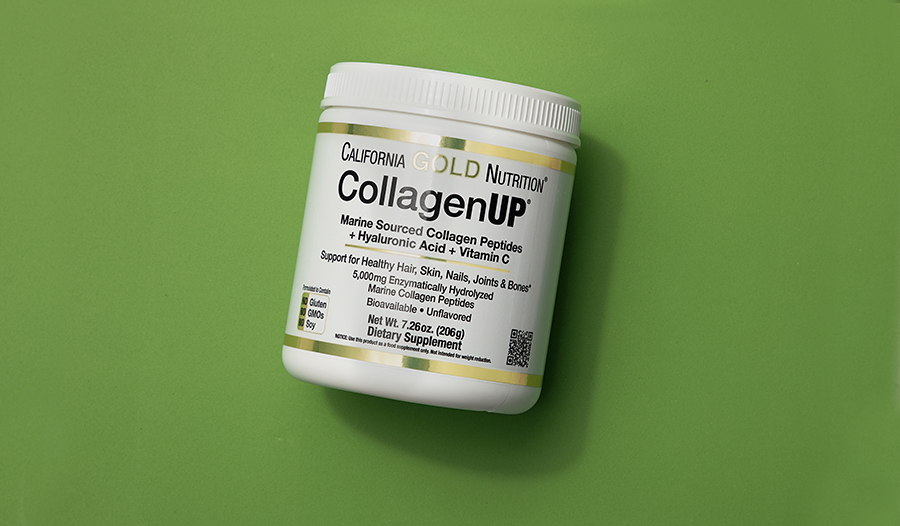
As we age, our skin naturally loses elasticity and firmness, leading to visible signs of aging such as wrinkles and fine lines. In recent years, collagen peptides have emerged as a popular supplement for those looking to support healthy aging and improve the appearance of their skin. This guide explores what collagen peptides are, how they differ from other forms of collagen, and their potential benefits for skin aging.
What Are Collagen Peptides?

Collagen is the most abundant protein in the human body, playing a crucial role in maintaining the structure and integrity of skin, joints, and bones. However, as we age, our bodies produce less collagen, which can lead to sagging skin and joint discomfort. Collagen peptides are smaller, broken-down fragments of collagen that are created through a process called hydrolysis. This makes them easier for the body to absorb compared to whole collagen proteins.
Unlike native collagen, which retains its original structure, collagen peptides are processed to break down the larger protein into smaller amino acid chains. This enhanced absorption is one of the key reasons why collagen peptides are often preferred over other forms of collagen supplements.
How Do Collagen Peptides Work for Skin Aging?

When taken orally, collagen peptides are believed to stimulate the production of new collagen in the skin. This process can help improve skin hydration, elasticity, and overall texture. Research suggests that regular consumption of collagen peptides may lead to visible improvements in the appearance of wrinkles and skin firmness.
A 2023 review highlighted that many studies on collagen peptides showed positive results for skin health, including increased moisture, brightness, and tightness. However, it's important to note that most of these studies were conducted on women between the ages of 30 and 60, so results may vary among different populations.
Key Differences Between Native Collagen and Collagen Peptides

Native collagen refers to the unprocessed form of collagen, often derived from animal sources like chicken cartilage or bovine tissue. While it is commonly used for joint health, it may not be as easily absorbed by the body as collagen peptides. Native collagen undergoes various processing methods, including denaturation and hydrolysis, which affect its solubility and bioavailability.
On the other hand, collagen peptides are specifically designed to enhance absorption. They are typically sourced from a variety of animals, including cows, pigs, chickens, and fish. This versatility allows for a broader range of options when choosing a supplement.
The Science Behind Collagen and Skin Health

There are several types of collagen, each with unique properties and functions. Type I collagen is the most common and is found in the skin, bones, and tendons. Type II is primarily found in cartilage, while Type III supports muscles and blood vessels. Understanding these differences can help you choose the right collagen supplement for your specific needs.
Studies on collagen peptides have shown promising results for both joint and skin health. For example, a randomized double-blind controlled trial found that participants experienced improvements in joint pain and function after six months of taking collagen peptides. Similarly, research on skin health has indicated that collagen peptides may enhance skin hydration and reduce the appearance of wrinkles.
Choosing the Right Collagen Peptide Supplement

When selecting a collagen peptide supplement, consider the source, processing method, and dosage. Marine collagen, derived from fish, is often praised for its high bioavailability. Bovine collagen, sourced from cows, is another popular option. It's also essential to look for products that are free from additives and artificial ingredients.
Dosage recommendations vary depending on the intended use. For joint support, clinical trials have used doses ranging from 5 to 10 grams per day. For skin health, the recommended dosage may be lower, typically between 1 and 10 grams daily. However, individual responses can vary, so it's best to consult with a healthcare professional before starting any new supplement regimen.
Real-World Applications and Results

Many individuals who have incorporated collagen peptides into their daily routine report noticeable improvements in their skin's appearance. Some users have shared stories of reduced wrinkles, improved skin texture, and increased hydration. These anecdotal experiences, combined with scientific research, highlight the potential benefits of collagen peptides for skin aging.
It's also worth noting that the effectiveness of collagen peptides may depend on factors such as diet, lifestyle, and overall health. A balanced diet rich in vitamins and antioxidants can complement the effects of collagen supplementation, enhancing its benefits for the skin.
The Future of Collagen Peptides and Skin Aging

As research continues to evolve, the future of collagen peptides looks promising. Advances in formulation and delivery methods may further enhance their efficacy and accessibility. Additionally, ongoing studies aim to better understand the long-term effects of collagen supplementation on skin health and aging.
While current evidence supports the potential benefits of collagen peptides, it's important to approach this topic with a critical eye. High-quality clinical trials are needed to confirm the long-term effects and ensure that the claims made by manufacturers are backed by solid scientific evidence.
Conclusion
Collagen peptides offer a promising solution for those seeking to combat the signs of skin aging. Their enhanced absorption, versatility, and potential benefits make them a popular choice among consumers. Whether you're looking to improve skin hydration, reduce wrinkles, or support joint health, collagen peptides can be a valuable addition to your wellness routine.
However, it's essential to approach collagen supplementation with an informed perspective. Always consult with a healthcare professional, choose high-quality products, and remain open to ongoing research and developments in the field. By doing so, you can make the most of what collagen peptides have to offer and support your journey toward healthier, more youthful-looking skin.

Post a Comment for "The Ultimate Guide to Collagen Peptides for Skin Aging: Benefits, Uses & Results"
Post a Comment