The Ultimate Guide to Breathing Exercises for Improving Vagal Tone
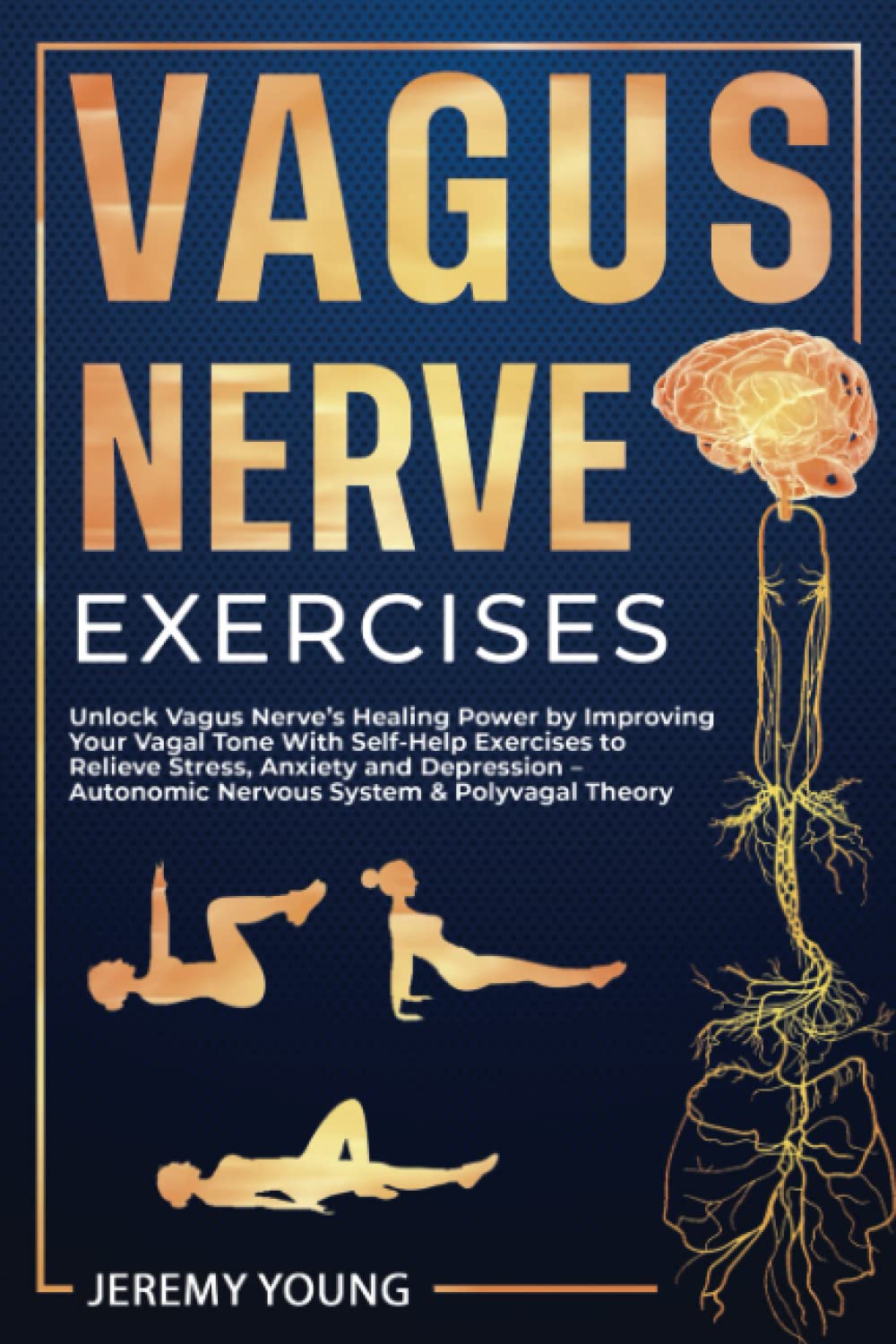
Breathing is something we do every day without thinking, but it holds the key to unlocking a healthier, calmer mind and body. The science behind breathing and its connection to the vagus nerve has gained significant attention in recent years, especially as more people seek natural ways to manage stress, anxiety, and overall well-being. If you're looking to improve your mental clarity, emotional resilience, and physical health, understanding how breathing exercises can enhance vagal tone is essential.
In this guide, we'll explore what vagal tone means, why it matters, and how specific breathing techniques can help you strengthen this vital nerve. Whether you're new to mindfulness or looking to deepen your practice, these insights will empower you to take control of your nervous system and live a more balanced life.
What Is Vagal Tone and Why Does It Matter?
The vagus nerve is one of the most important nerves in the body, often referred to as the "wandering nerve" because it extends from the brainstem down through the neck, chest, and abdomen, connecting to various organs like the heart, lungs, and digestive system. It plays a central role in the parasympathetic nervous system, which is responsible for the body's rest and digest functions.
Vagal tone refers to the activity level of the vagus nerve. A higher vagal tone indicates that the nerve is functioning well, allowing the body to relax and recover quickly after stress. On the other hand, a low vagal tone may lead to chronic stress, anxiety, and even physical ailments such as digestive issues or weakened immunity.
Research shows that individuals with high vagal tone tend to be more resilient, emotionally stable, and better at regulating their responses to stress. This makes improving vagal tone a powerful tool for enhancing both mental and physical health.
How Breathing Influences the Vagus Nerve
Breathing is not just about oxygenating the blood—it’s also a direct way to communicate with the vagus nerve. Each breath we take sends signals to the brain and body, influencing our nervous system state. When we breathe deeply and slowly, we stimulate the vagus nerve, activating the parasympathetic nervous system and promoting relaxation.
Here’s how it works:
- Inhale: This activates the sympathetic nervous system, increasing heart rate and preparing the body for action.
- Exhale: This stimulates the parasympathetic nervous system, slowing the heart rate and encouraging relaxation.
By focusing on long, controlled exhalations, we can enhance vagal tone and shift the body into a state of calm. This is why many meditation and breathwork practices emphasize slow, deep breathing.
Top Breathing Exercises to Improve Vagal Tone
There are several effective breathing techniques that can help boost vagal tone. Here are some of the most popular and scientifically supported methods:
- Box Breathing
- Inhale for 4 seconds
- Hold for 4 seconds
- Exhale for 4 seconds
- Hold for 4 seconds
- Repeat for 5–10 minutes
Box breathing is great for calming the nervous system and improving focus. It’s commonly used by athletes and military personnel to maintain composure under pressure.
- 4-7-8 Breathing
- Inhale for 4 seconds
- Hold for 7 seconds
- Exhale for 8 seconds
- Repeat for 4 cycles
This technique is ideal for reducing anxiety and promoting sleep. The extended exhale helps activate the parasympathetic nervous system, leading to a deeper sense of relaxation.
- Alternate Nostril Breathing (Nadi Shodhana)
- Close your right nostril and inhale through the left
- Close your left nostril and exhale through the right
- Inhale through the right, then exhale through the left
- Continue alternating for 5–10 minutes
This ancient yoga technique balances the nervous system and enhances mental clarity. It’s particularly useful for managing stress and improving concentration.
- Diaphragmatic Breathing (Belly Breathing)
- Lie on your back or sit comfortably
- Place one hand on your chest and the other on your belly
- Breathe in deeply through your nose, allowing your belly to rise
- Exhale slowly through your mouth, letting your belly fall
Diaphragmatic breathing strengthens the diaphragm and promotes efficient oxygen exchange. It’s an excellent practice for reducing stress and improving overall respiratory function.
- Coherent Breathing
- Breathe in for 5 seconds
- Breathe out for 5 seconds
- Repeat for 5 minutes
Coherent breathing synchronizes the heart rate and respiratory rate, creating a state of physiological coherence. This technique is known to reduce stress and enhance emotional balance.
The Science Behind Breath and Vagal Tone
Research has shown that regular practice of these breathing exercises can significantly improve vagal tone. One study published in Frontiers in Human Neuroscience found that participants who practiced slow breathing for eight weeks experienced increased heart rate variability (HRV), a key indicator of vagal tone.
Another study in Psychosomatic Medicine revealed that individuals who engaged in daily breathing exercises reported lower levels of stress and improved mood. These findings highlight the profound impact that simple breathing techniques can have on both mental and physical health.
Real-Life Applications of Breathing for Vagal Tone
Beyond the scientific evidence, many people have found practical benefits from incorporating breathing exercises into their daily routines. For example:
- Stress Management: A busy executive might use box breathing before a big meeting to stay calm and focused.
- Anxiety Relief: Someone with social anxiety could practice 4-7-8 breathing before entering a crowded space to ease their nerves.
- Sleep Improvement: A student struggling with insomnia might try coherent breathing at bedtime to fall asleep faster and wake up more refreshed.
These real-life examples show that breathing exercises are not just theoretical—they’re practical tools that can be used in everyday situations to enhance well-being.
Conclusion
Improving vagal tone through breathing exercises is a powerful way to support your mental, emotional, and physical health. By understanding the connection between the vagus nerve and breathing, you can harness the natural rhythms of your body to create a more balanced and resilient life.
Whether you choose to practice box breathing, diaphragmatic breathing, or any of the other techniques outlined in this guide, the key is consistency. Over time, these simple practices can transform your nervous system, helping you navigate life with greater ease and clarity.
So take a deep breath, and let the power of your breath guide you toward a healthier, calmer, and more connected you.

Post a Comment for "The Ultimate Guide to Breathing Exercises for Improving Vagal Tone"
Post a Comment