The Ultimate Guide to Blue Light Blocking Sleep Glasses: Benefits, How They Work, and Top Picks
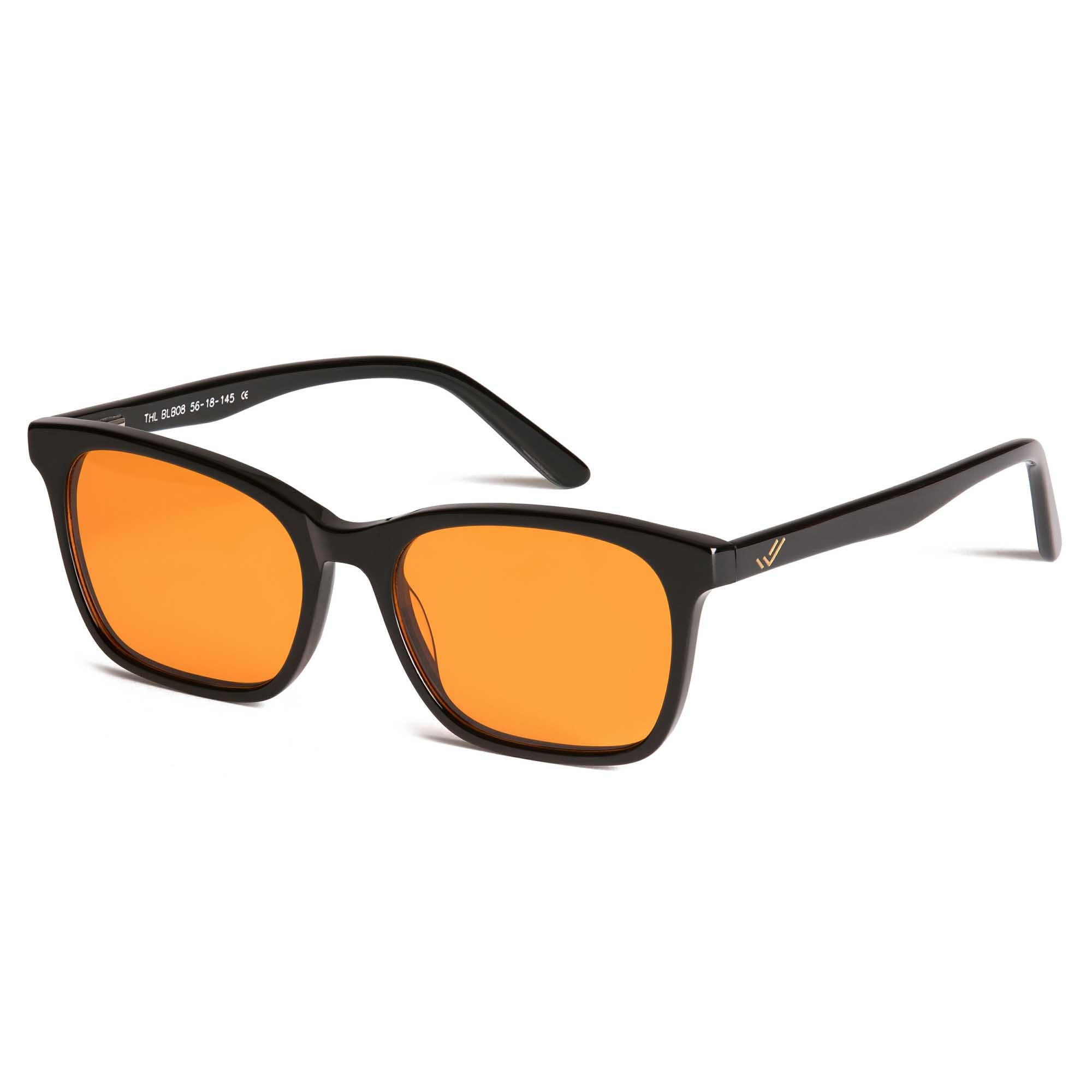
In today's digital age, where screens are an inescapable part of daily life, the quest for better sleep has led many to explore solutions like blue light blocking sleep glasses. These glasses, designed to filter out the blue light emitted by electronic devices, have become a popular tool for those struggling with sleep issues. But how effective are they, and what should you know before making a purchase? This guide will walk you through everything you need to know about blue light blocking sleep glasses—what they do, how they work, their potential benefits, and how to choose the right pair.
What Is Blue Light?
Blue light is a high-energy, short-wavelength light that’s part of the visible light spectrum. It’s found in natural sunlight and artificial sources like smartphones, tablets, computers, LED lights, and fluorescent bulbs. While blue light can boost alertness and mood during the day, excessive exposure—especially in the evening—can disrupt your body's natural sleep cycle.
The sun is the most intense source of blue light, but everyday devices also emit it. When you're exposed to blue light late at night, it signals your brain to stay awake by suppressing the production of melatonin, the hormone that helps regulate sleep. This disruption can lead to difficulty falling asleep or staying asleep, contributing to insomnia and other sleep-related issues.
How Do Blue Light Blocking Sleep Glasses Work?
Blue light blocking sleep glasses are designed to filter out or reduce the amount of blue light that reaches your eyes. They typically feature lenses with a special coating or tint that blocks wavelengths between 400 and 490 nanometers—where most of the blue light from screens falls.
By reducing exposure to this light, especially in the hours leading up to bedtime, these glasses may help support your body's natural circadian rhythm. This can make it easier to fall asleep and improve overall sleep quality.
However, it's important to note that not all blue light glasses are created equal. The effectiveness depends on the type of lens and how much blue light they actually block. Some glasses may only filter a portion of the blue light, while others may be more comprehensive.
Are Blue Light Blocking Glasses Effective for Sleep?
Research on the effectiveness of blue light blocking glasses is mixed, but there is some evidence suggesting they can help improve sleep.
Studies have shown that wearing blue light blocking glasses in the evening can reduce the suppression of melatonin, making it easier to fall asleep. One review of past studies found significant evidence that these glasses were a successful tool for reducing insomnia, particularly for people with sleep disorders, jet lag, or shift work schedules.
For those who struggle with delayed sleep-phase disorder or irregular sleep patterns, blue light blocking glasses may offer a practical solution. However, results can vary depending on individual sensitivity to blue light and other factors such as screen time and lighting conditions.
Do Blue Light Glasses Help With Eye Strain?
While blue light blocking glasses are often marketed as a solution for eye strain, the scientific evidence is less clear. Some studies suggest that they may help reduce symptoms like dryness, irritation, and fatigue, especially after prolonged screen use.
However, other research has found no significant difference in eye strain between people who wore blue light glasses and those who didn’t. This suggests that while blue light glasses might offer some benefit, they are not a guaranteed solution for eye discomfort.
It’s also worth noting that eye strain is often caused by factors beyond just blue light, such as poor posture, screen brightness, and lack of blinking. Simple adjustments like taking regular breaks and adjusting screen settings can also play a major role in reducing eye fatigue.
Other Ways to Reduce Blue Light Exposure
If you’re concerned about the effects of blue light, there are several strategies you can try alongside or instead of using blue light blocking glasses:
- Use the 20-20-20 rule: Every 20 minutes, look away from your screen at something 20 feet away for 20 seconds.
- Adjust screen brightness: Dim your device’s brightness, especially in low-light environments.
- Enable night mode: Many devices have a "night mode" setting that reduces blue light emissions.
- Limit screen time before bed: Try to avoid screens for at least an hour before going to sleep.
- Improve lighting: Use dimmer lighting in your workspace and avoid bright overhead lights.
These steps can complement the use of blue light blocking glasses and contribute to better overall eye health and sleep quality.
Choosing the Right Blue Light Blocking Glasses
When selecting blue light blocking glasses, consider the following factors:
- Lens color: Amber or brown-tinted lenses are most effective at filtering blue light.
- Lens coating: Look for glasses with a blue light filter or anti-reflective coating.
- Comfort: Choose frames that fit well and feel comfortable for extended wear.
- Style: Opt for a design that suits your personal preferences and lifestyle.
Some brands specialize in blue light blocking glasses, while others offer them as part of a broader range of eyewear. Be sure to read reviews and check for reputable manufacturers to ensure quality and effectiveness.
Top Picks for Blue Light Blocking Sleep Glasses
Here are a few highly-rated options available on the market:
- Gunnar Optiks – Known for their ergonomic designs and effective blue light filtration, Gunnar glasses are a popular choice for gamers and office workers.
- Honeywell Blue Light Blocking Glasses – These glasses are specifically designed to reduce eye strain and promote better sleep.
- Fenix Blue Light Blocking Glasses – A budget-friendly option that offers good protection against blue light without breaking the bank.
- Eyezen Blue Light Blocking Lenses – Designed for everyday use, these lenses provide a balanced approach to reducing blue light exposure.
Before purchasing, consider trying on different styles to find what works best for you.
Conclusion
Blue light blocking sleep glasses can be a helpful tool for improving sleep quality, especially when used consistently in the evening. While their effectiveness for eye strain remains debated, they may still offer benefits for those looking to reduce the impact of blue light on their sleep cycle. Whether you choose to use them or opt for alternative strategies, the key is to be mindful of your screen habits and take proactive steps to protect your health. By understanding how blue light affects your body and exploring the right solutions, you can create a more restful and balanced lifestyle.

Post a Comment for "The Ultimate Guide to Blue Light Blocking Sleep Glasses: Benefits, How They Work, and Top Picks"
Post a Comment