The Ultimate Diet for Stable Glucose Control: Foods, Tips, and Meal Plans

Maintaining stable glucose levels is essential for overall health, especially for individuals managing diabetes or seeking to prevent it. Whether you're looking to improve your energy levels, avoid the rollercoaster of blood sugar spikes and crashes, or simply adopt a healthier lifestyle, understanding what to eat and how to structure your meals can make all the difference. This article explores practical strategies, science-backed dietary choices, and actionable tips to help you achieve and maintain stable glucose control.
Understanding Blood Sugar and Its Importance

Blood glucose, commonly referred to as blood sugar, is the primary source of energy for your body's cells. It comes from the food you eat, particularly carbohydrates, and is regulated by insulin, a hormone produced by the pancreas. When blood sugar levels are too high (hyperglycemia) or too low (hypoglycemia), it can lead to a range of health issues, including fatigue, irritability, and long-term complications like heart disease and nerve damage.
Stable glucose control means keeping these levels within a healthy range throughout the day. This not only supports immediate well-being but also reduces the risk of developing chronic conditions. For those with diabetes, managing blood sugar is a daily necessity. However, even for individuals without the condition, adopting a diet that promotes steady glucose levels can enhance energy, mood, and overall vitality.
1. Start Your Day With a Balanced Breakfast
A nutritious breakfast sets the tone for the rest of the day. Skipping breakfast or consuming high-carb, sugary foods can lead to rapid spikes in blood sugar followed by crashes, leaving you feeling sluggish and hungry soon after. Instead, aim for a balanced meal that includes protein, fiber, and healthy fats.
Examples of balanced breakfasts include:
- Whole-grain toast topped with eggs and avocado
- Greek yogurt with berries, chopped nuts, and chia seeds
- Oatmeal made with unsweetened almond milk, sprinkled with cinnamon and sliced almonds
These options provide sustained energy and help regulate hunger throughout the morning.
2. Include Protein with Every Meal and Snack

Protein plays a crucial role in stabilizing blood sugar. It slows down the absorption of carbohydrates, preventing sharp spikes in glucose levels. Incorporating protein into every meal and snack ensures a more consistent energy supply.
Good protein sources include:
- Lean meats (chicken, turkey)
- Eggs and dairy products
- Legumes (beans, lentils)
- Nuts and seeds
- Tofu and plant-based proteins
Even small portions of protein can make a significant difference in maintaining steady glucose levels.
3. Choose High-Fiber Foods
Fiber is another key component of a glucose-stabilizing diet. It helps slow the digestion of carbohydrates, which in turn prevents rapid increases in blood sugar. High-fiber foods also support digestive health and promote a feeling of fullness, helping to prevent overeating.
Some excellent sources of fiber include:
- Vegetables and fruits (especially with their skins on)
- Beans, lentils, and chickpeas
- Nuts and seeds
- Whole grains (brown rice, quinoa, oats)
Including at least one fiber-rich food in each meal can significantly contribute to better glucose control.
4. Avoid Sugary Drinks
Sugary beverages such as soda, sweetened teas, and fruit juices can cause dramatic spikes in blood sugar. These drinks are often consumed quickly and lack the protein or fiber needed to slow down sugar absorption. Over time, this can lead to insulin resistance and other metabolic issues.
Instead of sugary drinks, opt for:
- Water or sparkling water
- Unsweetened herbal teas
- Flavored water with natural ingredients (like citrus slices or herbs)
If you crave something sweet, consider adding fresh fruit purees or natural flavorings to your water for a refreshing, low-sugar alternative.
5. Eat Regularly Throughout the Day
Skipping meals or going long periods without eating can lead to drops in blood sugar, causing fatigue, irritability, and cravings. Eating regularly helps maintain a steady supply of energy and prevents extreme fluctuations.
Aim to eat every three to four hours, focusing on small, balanced meals and snacks. This approach keeps your metabolism active and supports consistent glucose levels.
6. Choose Whole Grains Over Refined Carbs
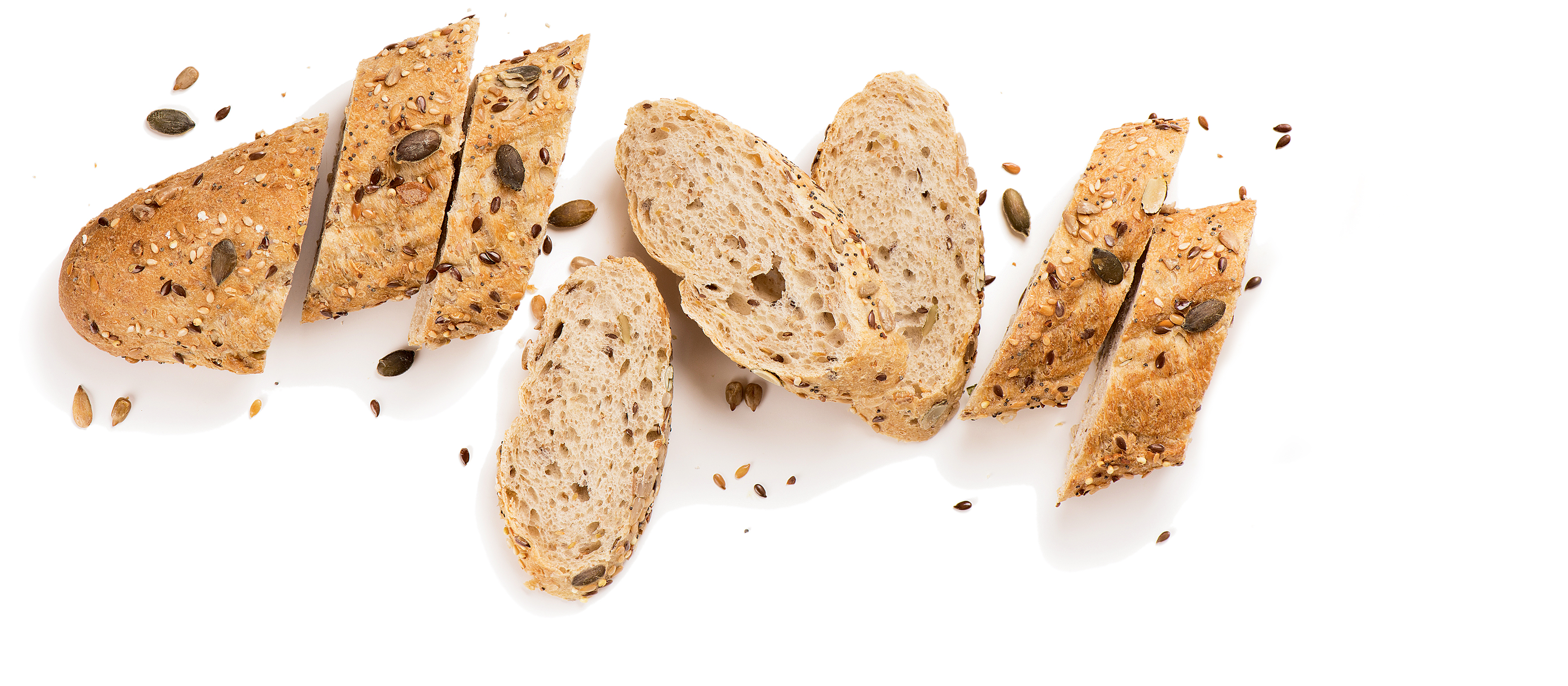
Not all carbohydrates are equal. Whole grains, such as brown rice, quinoa, and whole wheat bread, are digested more slowly than refined grains like white bread and sugary cereals. This slower digestion helps prevent sharp spikes in blood sugar.
When possible, replace refined grains with whole grain alternatives. For example:
- Swap white pasta for whole wheat pasta
- Choose oatmeal instead of sugary cereal
- Opt for whole grain wraps over white flour tortillas
These small changes can have a big impact on glucose stability.
7. Be Smart About Portion Sizes
Even healthy foods can raise blood sugar if eaten in large quantities. Paying attention to portion sizes is essential for maintaining balance. One helpful strategy is the "plate method," which involves:
- Filling half your plate with non-starchy vegetables
- Adding one-quarter lean protein
- Filling the remaining quarter with whole grains or starchy foods
This balance ensures your body processes glucose more efficiently and avoids overconsumption.
8. Stay Active
Physical activity is a powerful tool for glucose control. Exercise helps muscles use glucose for energy, which can lower and stabilize blood sugar levels. Even moderate activities like walking, stretching, or gardening can make a difference.
The Centers for Disease Control and Prevention recommends at least 150 minutes of moderate exercise per week, along with strength training. However, even short bursts of activity, such as a 10-minute walk after meals, can be beneficial.
9. Manage Stress Levels
Chronic stress can disrupt glucose regulation by triggering the release of hormones that increase blood sugar. Finding ways to manage stress—such as through meditation, deep breathing, or journaling—can help maintain more stable levels.
Simple habits like taking a walk, reading a book, or practicing mindfulness can reduce stress and support better glucose control.
10. Get Enough Quality Sleep
Poor sleep can negatively affect insulin sensitivity, making it harder for the body to process glucose. Aim for seven to nine hours of quality sleep each night.
Tips for better sleep include:
- Setting a regular bedtime and wake-up time
- Avoiding screens before bed
- Creating a calming bedtime routine
- Keeping your bedroom dark, quiet, and cool
Prioritizing sleep is an often-overlooked but critical component of glucose management.
Conclusion
Achieving stable glucose control requires a combination of smart dietary choices, regular physical activity, and healthy lifestyle habits. By incorporating protein, fiber, and whole foods into your meals, avoiding sugary drinks, and staying active, you can take meaningful steps toward better health. Remember, small, consistent changes can lead to lasting results. Whether you're managing diabetes or simply aiming for a healthier lifestyle, the right diet and habits can help you feel more energized, focused, and in control of your well-being.

Post a Comment for "The Ultimate Diet for Stable Glucose Control: Foods, Tips, and Meal Plans"
Post a Comment