The Ultimate Anti-Inflammatory Meal Plan for Women: Boost Health and Reduce Inflammation
In today’s fast-paced world, many women are seeking ways to improve their overall health and well-being. One powerful approach is adopting an anti-inflammatory meal plan. Chronic inflammation can lead to a host of health issues, from joint pain to heart disease, and understanding how your diet impacts this process is key to long-term wellness. This article will guide you through the essentials of an anti-inflammatory meal plan tailored specifically for women, offering practical tips, scientific insights, and real-life examples to help you feel your best.

What Is an Anti-Inflammatory Diet?

An anti-inflammatory diet focuses on consuming foods that help reduce inflammation in the body while avoiding those that trigger it. Unlike a strict diet with rigid rules, this approach emphasizes whole, unprocessed foods and minimally processed ingredients. It's not about eliminating entire food groups but rather making mindful choices that support your body's natural healing processes.
Registered dietitian Julia Zumpano explains that the term "anti-inflammatory diet" doesn't refer to a specific regimen but rather an overall style of eating. She highlights two effective eating styles: the Mediterranean diet and the DASH (Dietary Approaches to Stop Hypertension) diet. Both have been shown to reduce inflammation and improve overall health.
The Benefits of an Anti-Inflammatory Meal Plan for Women

Adopting an anti-inflammatory meal plan can offer numerous benefits for women, including:
- Improved skin clarity
- Reduced muscle or joint pain
- Decreased swelling in hands and feet
- Fewer headaches
- Better gastrointestinal health
- Improved sleep quality
- Less anxiety and brain fog
- Reduced bloating
- Lower blood pressure and blood sugar levels
- Increased energy
- Weight loss
One of the most encouraging signs that your anti-inflammatory diet is working is when you start feeling better. Pay attention to changes in your symptoms and overall well-being.
Foods to Include in Your Anti-Inflammatory Meal Plan
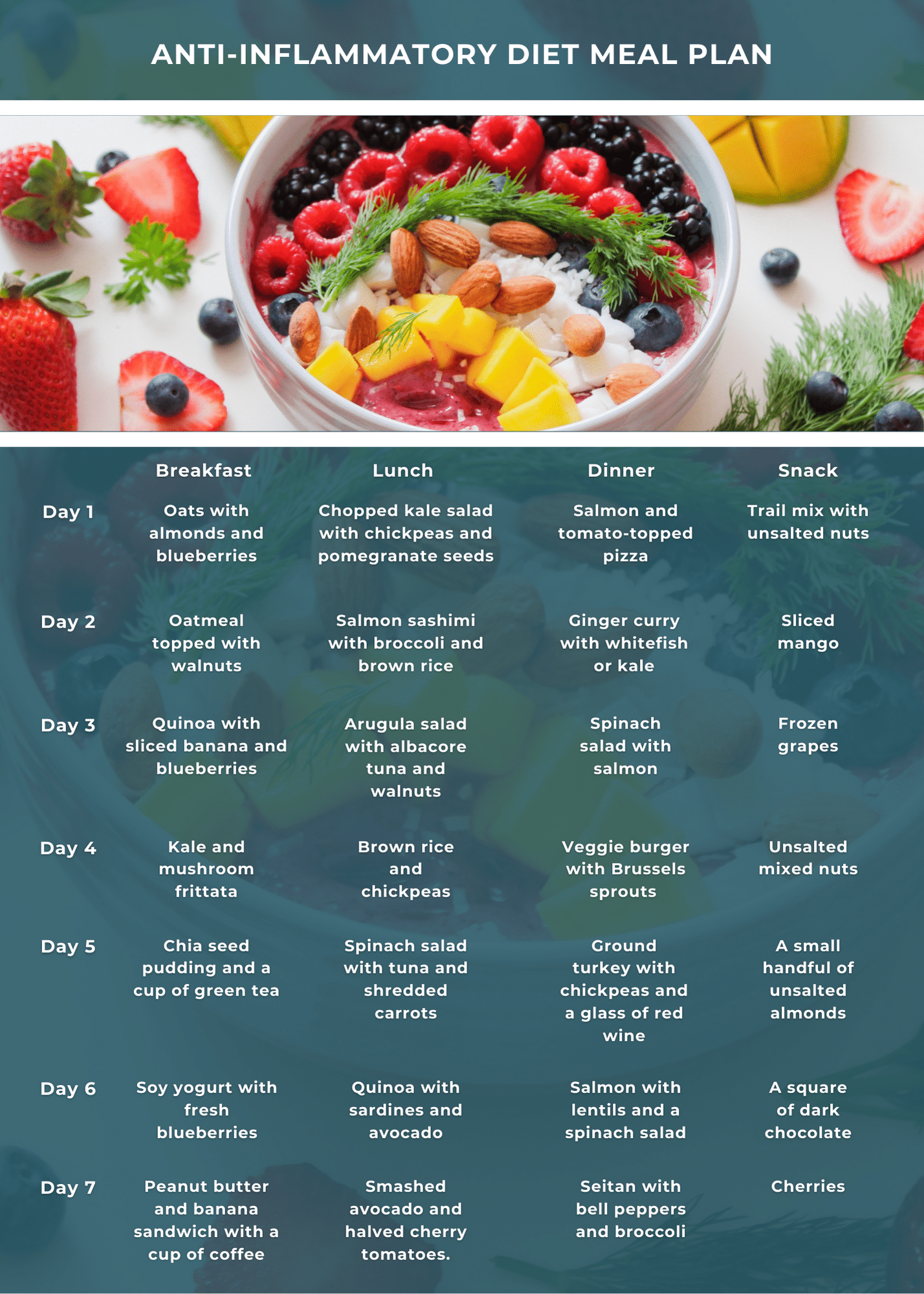
To create an effective anti-inflammatory meal plan, focus on whole, nutrient-dense foods. Here are some key categories to include:
- Fresh fruits: Apples, berries, avocados, and oranges are rich in antioxidants and vitamins.
- Vegetables: Leafy greens, peppers, and broccoli provide essential fiber and nutrients.
- Lean proteins: Chicken and turkey are excellent sources of protein without excessive fat.
- Fatty fish: Salmon, tuna, herring, and mackerel are high in omega-3 fatty acids, which combat inflammation.
- Whole grains: Brown rice, wild rice, and oats offer sustained energy and fiber.
- Legumes: Dried beans and peas are packed with protein and complex carbohydrates.
- Nuts and seeds: Walnuts and other nuts provide healthy fats and essential minerals.
- Spices: Turmeric and cinnamon have potent anti-inflammatory properties.
- Healthy oils: Extra virgin olive oil (EVOO) is a great source of monounsaturated fats.
By incorporating these foods into your meals, you're supporting your body's ability to fight inflammation naturally.
Foods to Avoid in an Anti-Inflammatory Meal Plan

While focusing on what to eat is important, it's equally crucial to avoid foods that can trigger inflammation. These include:
- Sweets: Commercially baked goods, pre-packaged desserts, ice cream, and candy
- Packaged snacks: Potato chips and microwave popcorn
- Processed meats: Bacon, sausage, hot dogs, bologna, pepperoni, and salami
- Processed cheeses: Nacho cheese dip and American cheese slices
- Sugary drinks: Soda and sports drinks
- Fried foods: Fried chicken and French fries
Even so-called "healthy" snacks like granola bars, trail mix, and baked chips often contain added sugars and sodium. By cutting out these items, you can significantly reduce inflammation and improve your overall health.
Tips for Successfully Following an Anti-Inflammatory Meal Plan
Starting an anti-inflammatory meal plan may seem daunting, but with the right approach, it can be manageable and enjoyable. Here are some practical tips to help you succeed:
- Assess your current diet: Identify which foods might be causing inflammation and gradually replace them with healthier alternatives.
- Read nutrition labels: Look for minimally processed foods with short ingredient lists. Choose whole grains, lean proteins, and healthy fats.
- Make small, sustainable changes: Drastic changes are hard to maintain. Start with small adjustments and build from there.
- Give yourself time: Results may take a few weeks to become noticeable. Be patient and consistent.
- Stay informed: Keep up-to-date with the latest research and recommendations on anti-inflammatory diets.
By taking a gradual and informed approach, you'll be more likely to stick with your meal plan and see lasting results.
Real-Life Examples and Success Stories

Many women have experienced significant improvements in their health by following an anti-inflammatory meal plan. For example, one woman struggled with chronic fatigue and joint pain for years before making dietary changes. After eliminating processed foods and incorporating more whole foods, she reported increased energy levels and reduced inflammation.
Another woman, who had been diagnosed with Hashimoto’s thyroiditis, found relief by adopting an anti-inflammatory lifestyle. She eliminated gluten and dairy from her diet and focused on nutrient-rich foods, leading to improved symptoms and overall well-being.
These stories highlight the power of an anti-inflammatory meal plan and the positive impact it can have on your health.
Conclusion
An anti-inflammatory meal plan offers a powerful way for women to improve their health and reduce chronic inflammation. By focusing on whole, nutrient-dense foods and avoiding inflammatory triggers, you can support your body's natural healing processes and enjoy better overall well-being. Whether you're looking to manage a chronic condition or simply want to feel your best, this approach can be a valuable tool in your health journey. With consistency, patience, and the right strategies, you can achieve lasting results and a healthier, more vibrant life.

Post a Comment for "The Ultimate Anti-Inflammatory Meal Plan for Women: Boost Health and Reduce Inflammation"
Post a Comment