The Ultimate Anti-Inflammatory Grocery List for a Healthy Diet
Inflammation is often the silent culprit behind many of our health struggles. It can manifest as joint pain, fatigue, brain fog, and even chronic diseases like heart disease and diabetes. While inflammation is a natural response to injury or infection, chronic inflammation can wreak havoc on your body over time. The good news? You have more control over it than you might think—especially through the foods you choose to eat.
An anti-inflammatory diet isn’t just about avoiding certain foods; it’s about embracing a lifestyle that supports your body’s natural ability to heal and function optimally. By making smart choices at the grocery store, you can create meals that not only taste great but also help reduce inflammation and improve your overall well-being. This article will guide you through the essentials of an anti-inflammatory grocery list, helping you build a balanced and nourishing diet.
What Makes a Food Anti-Inflammatory?
Anti-inflammatory foods are those that help reduce the body's inflammatory response. These foods are typically rich in antioxidants, healthy fats, fiber, and other nutrients that support immune function and cellular health. On the flip side, processed foods, refined sugars, and unhealthy fats can exacerbate inflammation and lead to long-term health issues.
Experts like Stephanie Schiff, a clinical dietitian at Northwell Health, emphasize that an anti-inflammatory diet doesn't require extreme restrictions. Instead, it focuses on whole, minimally processed foods that provide sustained energy and support long-term health. “You’re not depriving yourself. You’re just shifting where the flavor comes from,” she says.
Key Categories to Include in Your Anti-Inflammatory Grocery List
To build a truly anti-inflammatory diet, focus on these five categories of foods:
1. Leafy Greens and Colorful Vegetables
These should be the foundation of your plate. They deliver essential vitamins, minerals, and phytonutrients that help cool inflammation at the cellular level.
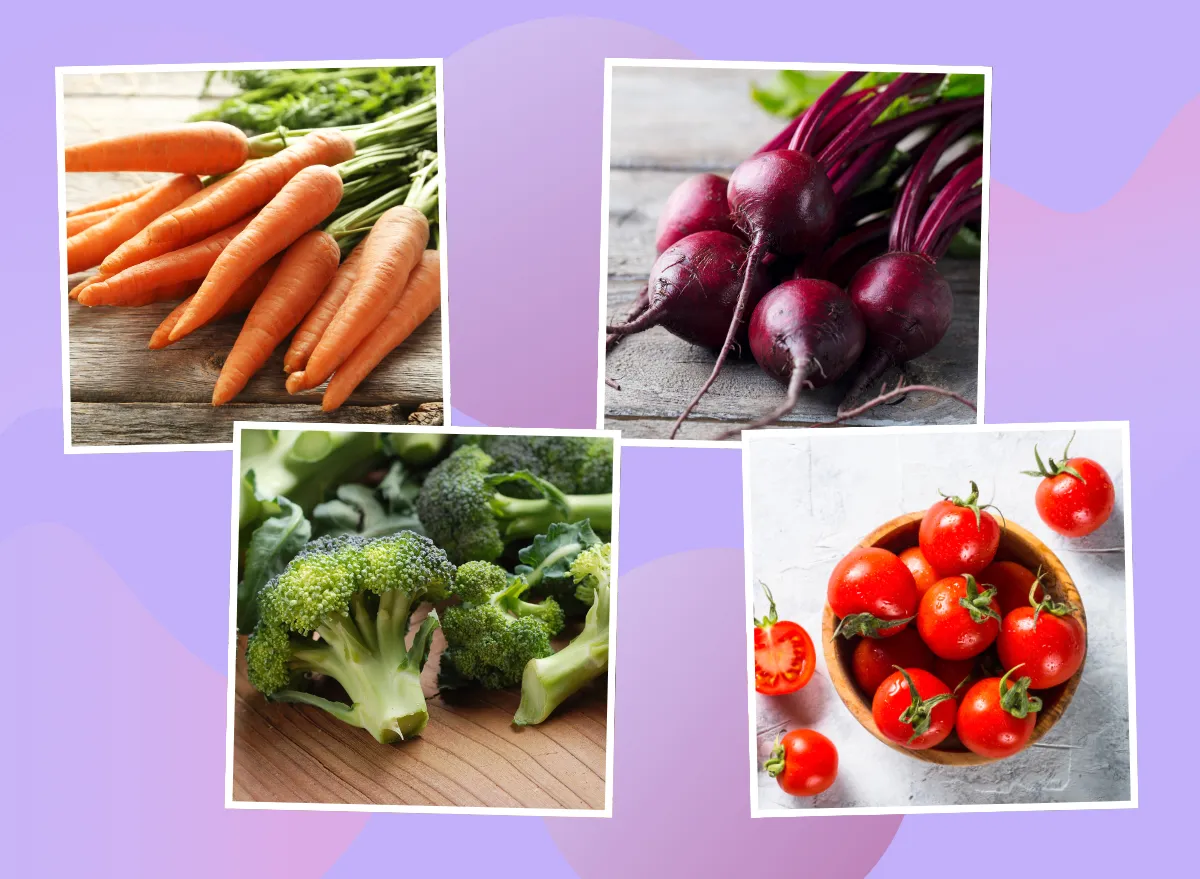
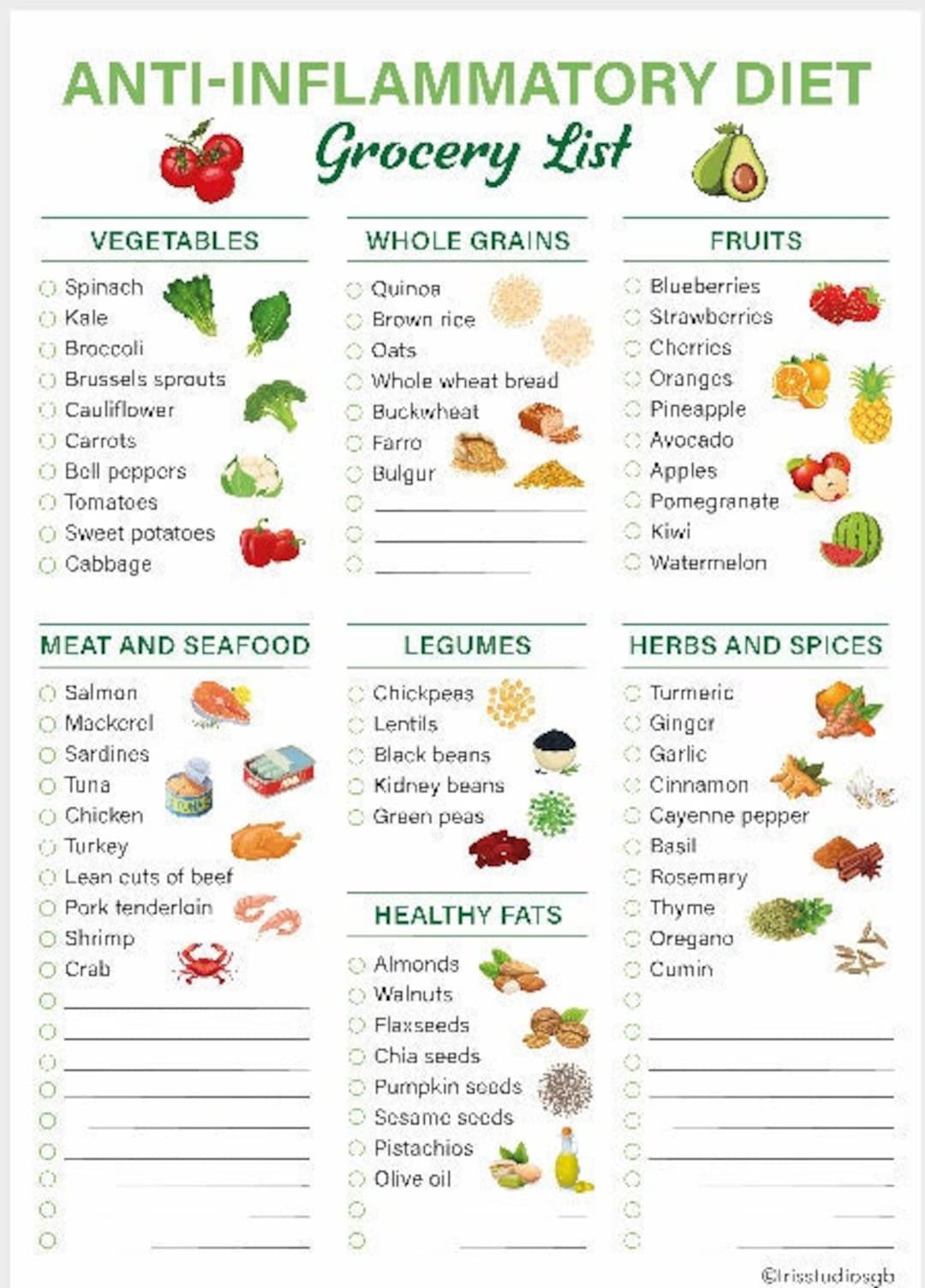
- Examples: Spinach, kale, arugula, Swiss chard, broccoli, bell peppers, carrots, beets
- Why they work: Packed with fiber and antioxidants, these veggies help reduce oxidative stress, a major driver of chronic inflammation. Add them raw, roasted, or sautéed to every meal.
2. Berries and Low-Glycemic Fruits
These fruits provide anti-inflammatory benefits without the blood sugar spikes that can drive inflammation higher, making them ideal for daily snacks and smoothie add-ins.
- Examples: Blueberries, raspberries, cherries, oranges, apples, pears
- Why they work: Their vibrant color comes from polyphenols and vitamin C, both of which support blood vessel health and reduce inflammatory markers, without spiking blood sugar.
3. Whole Grains and Legumes
These complex carbs are rich in fiber and prebiotics that support digestion, regulate glucose, and feed the gut microbiome, critical to managing inflammation long-term.
- Examples: Quinoa, oats, farro, brown rice, lentils, chickpeas, black beans
- Why they work: High in fiber and slow to digest, these foods nourish your gut microbiome and help regulate insulin, both key to lowering chronic inflammation.
4. Omega-3 Rich Proteins
These sources of protein double as anti-inflammatory agents, helping reduce markers associated with heart disease, cognitive decline, and joint stiffness.
- Examples: Salmon, sardines, mackerel, flaxseed, chia seeds
- Why they work: Omega-3s help reduce the body’s production of inflammatory compounds, and are linked to improvements in joint, brain, and cardiovascular health. Even a few servings per week makes a difference.
5. Healthy Fats
The right fats can help tame inflammation, improve cholesterol, and make anti-inflammatory eating more enjoyable, and more sustainable.
- Examples: Extra-virgin olive oil, avocado, tahini, unsalted nuts and seeds
- Why they work: These fats don’t just make meals more satisfying, they also stabilize blood sugar and reduce the inflammatory effects of processed oils and trans fats.
Foods to Limit or Avoid
While focusing on what to include is important, it’s equally crucial to understand what to avoid. Some foods quietly stoke inflammation and can throw your system off when eaten regularly.
1. Processed and Cured Meats
- Examples: Bacon, sausage, deli meats, hot dogs
- Why avoid: Often high in saturated fats and nitrates, these proteins contribute to inflammation and cardiovascular risk when eaten regularly.
2. Refined Grains and Sugary Snacks
- Examples: White bread, crackers, cookies, pastries
- Why avoid: These fast-digesting carbs can spike your blood sugar and boost inflammation markers over time.
3. Fried and Ultra-Processed Foods
- Examples: Fast food, frozen entrees, chips, packaged snacks
- Why avoid: These foods are often high in inflammatory fats and additives that stress your system.
4. Sugary Drinks and Alcohol
- Examples: Soda, sweet teas, energy drinks, excessive wine or cocktails
- Why avoid: Even seemingly small amounts of added sugar in drinks can disrupt insulin balance and feed systemic inflammation.
Building Your Anti-Inflammatory Grocery Cart
Creating an anti-inflammatory grocery list doesn’t mean you need to overhaul your pantry all at once. Start with a few of these building blocks and let them guide what ends up on your plate.
Produce Section
- Leafy greens (spinach, kale, arugula): Support detox and gut health with every bite
- Berries (blueberries, raspberries, strawberries): Fight oxidative stress and stabilize blood sugar
- Cruciferous veggies (broccoli, cauliflower, Brussels sprouts): Promote detox and cellular repair
- Sweet potatoes, carrots, beets: Rich in beta-carotene—they fuel immune function and reduce inflammation
Grains and Legumes
- Steel-cut oats, quinoa, brown rice: Fiber-rich and filling, these grains help regulate digestion and blood sugar
- Lentils, black beans, chickpeas (canned, no-salt-added or dry): Plant-based proteins that support a healthy gut and heart
Protein Picks
- Wild salmon (fresh or frozen): Delivers powerful omega-3s and protein to calm inflammation
- Canned sardines or mackerel: Affordable, shelf-stable sources of EPA and DHA
- Organic tofu or tempeh: Fermented plant proteins that nourish your gut and muscles
Fats and Oils
- Extra-virgin olive oil: A staple anti-inflammatory fat with antioxidant benefits
- Unsalted almonds, walnuts, or pistachios: Satisfying snacks that also support cholesterol balance
- Avocados: Nutrient-dense and rich in heart-healthy fats
- Tahini: A mineral-rich source of healthy fat and fiber
Flavor Builders
- Garlic, ginger, turmeric: Natural anti-inflammatories that make food more flavorful
- Lemon, vinegar, fresh herbs: Brighten meals without salt or sugar
- Salt-free seasoning blends: Add depth without sodium overload
Small Choices, Big Impact
Anti-inflammatory eating doesn’t have to be restrictive, or even complicated. It starts with what’s in your kitchen. Small, daily shifts (like cooking with olive oil instead of processed oils, choosing whole grains, or adding leafy greens to your lunch) create real changes in how your body feels and functions.
You’re not chasing a quick fix. You’re building a rhythm of eating that supports energy, focus, sleep, digestion, and longevity. And it starts with one good grocery trip.
Conclusion
An anti-inflammatory diet is more than just a trend—it’s a powerful tool for improving your health and quality of life. By focusing on whole, nutrient-dense foods and limiting processed options, you can create a grocery list that supports your body’s natural healing processes. Whether you're dealing with chronic inflammation or simply looking to feel better, making mindful choices at the grocery store can set you on the path to long-term wellness. Start today, and watch how your body responds.

Post a Comment for "The Ultimate Anti-Inflammatory Grocery List for a Healthy Diet"
Post a Comment