The Ultimate Anti-Inflammatory Grocery Shopping List for Better Health
Inflammation is a silent but powerful force that can affect every part of your body, from your joints to your brain. While it's a natural response to injury or infection, chronic inflammation is linked to a host of health issues, including heart disease, diabetes, and even cognitive decline. The good news? You have the power to combat inflammation through your diet. By making smart choices at the grocery store, you can create a meal plan that supports your body’s natural healing processes and promotes long-term wellness.
This article will guide you through the essentials of an anti-inflammatory grocery shopping list, offering practical tips, science-backed recommendations, and real-life examples to help you make informed decisions. Whether you're dealing with joint pain, fatigue, or just looking to boost your overall health, this guide will equip you with the knowledge to shop smarter and eat better.
What Are Anti-Inflammatory Foods?
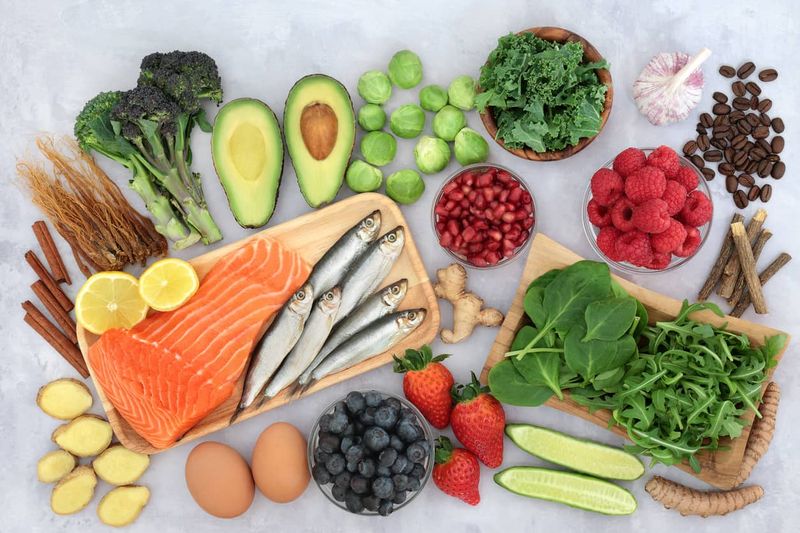
Anti-inflammatory foods are those that contain compounds known to reduce inflammation in the body. These include antioxidants, omega-3 fatty acids, fiber, and other nutrients that support cellular health and immune function. Unlike processed foods, which often trigger inflammation, these whole foods work to calm the body’s inflammatory responses and promote balance.
According to Stephanie Schiff, a clinical dietitian at Northwell Health, "You’re not depriving yourself. You’re just shifting where the flavor comes from." This means that you don’t have to give up your favorite foods entirely—just replace some of the less healthy options with more nourishing alternatives.
The Key Categories of Anti-Inflammatory Foods
To build a truly effective anti-inflammatory diet, focus on these five key categories:
1. Leafy Greens and Colorful Vegetables
Leafy greens like spinach, kale, and arugula are packed with vitamins, minerals, and phytonutrients that help reduce inflammation at the cellular level. Colorful vegetables such as bell peppers, broccoli, and beets add variety and additional antioxidants to your meals.
Examples: - Spinach - Kale - Arugula - Swiss chard - Broccoli - Bell peppers - Carrots - Beets
These veggies can be eaten raw, roasted, or sautéed, making them incredibly versatile. They help reduce oxidative stress, a major driver of chronic inflammation.
2. Berries and Low-Glycemic Fruits
Berries are a powerhouse of antioxidants, particularly polyphenols and vitamin C, which support blood vessel health and reduce inflammatory markers without spiking blood sugar. Low-glycemic fruits like apples, pears, and oranges also provide essential nutrients without the sugar crashes associated with refined carbs.
Examples: - Blueberries - Raspberries - Cherries - Oranges - Apples - Pears
These fruits are perfect for snacking, smoothies, or adding to salads. Their vibrant colors come from compounds that fight oxidative stress and support overall health.
3. Whole Grains and Legumes
Whole grains and legumes are rich in fiber and prebiotics that support digestion, regulate glucose, and feed the gut microbiome. A healthy gut is essential for managing inflammation long-term.
Examples: - Quinoa - Oats - Farro - Brown rice - Lentils - Chickpeas - Black beans
These complex carbs are slow to digest, helping to stabilize blood sugar and reduce inflammation. They also provide sustained energy and keep you feeling full longer.
4. Omega-3 Rich Proteins
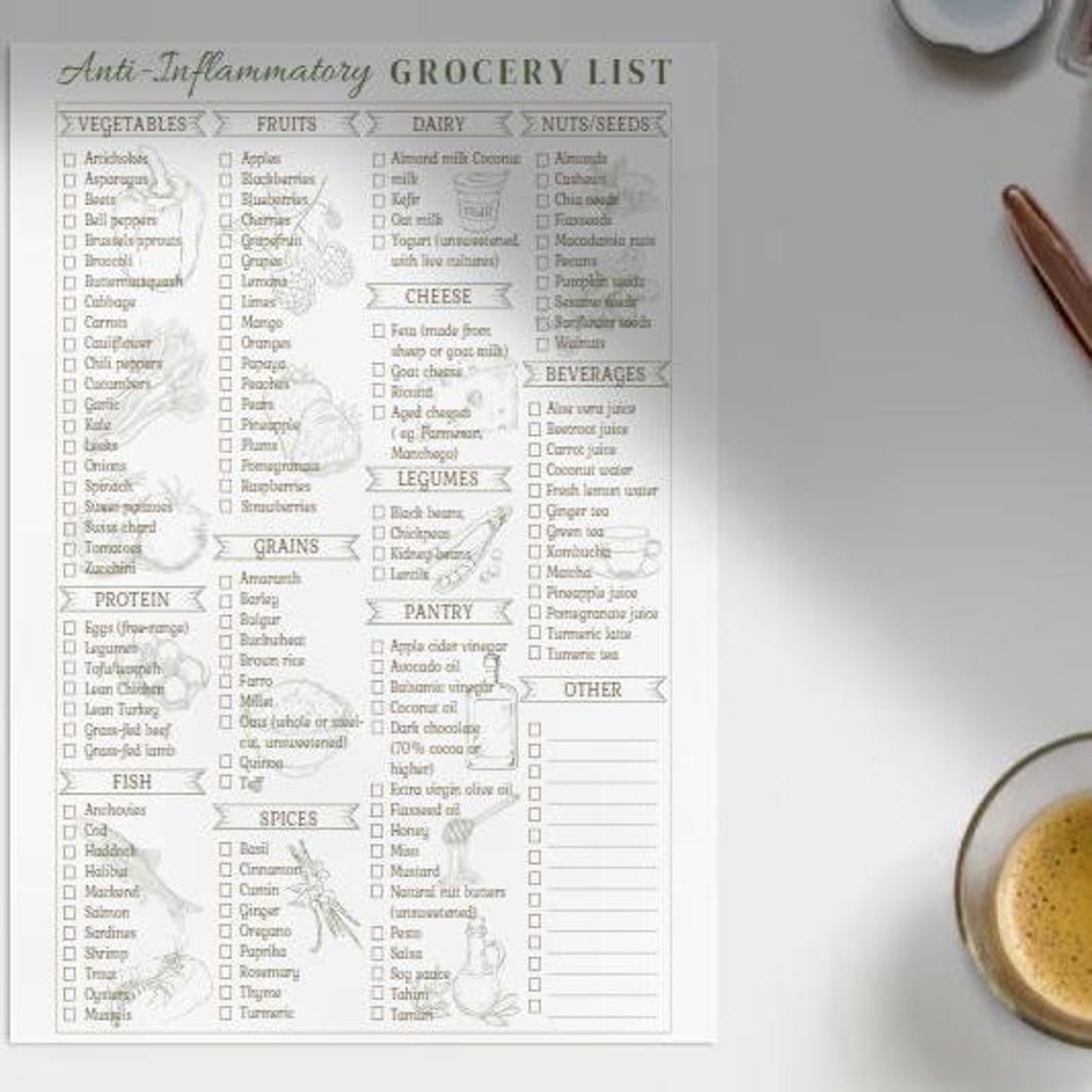
Omega-3 fatty acids are well-known for their anti-inflammatory properties. Found in fatty fish like salmon, sardines, and mackerel, they help reduce the body’s production of inflammatory compounds and support heart, brain, and joint health.
Examples: - Salmon - Sardines - Mackerel - Flaxseed - Chia seeds
Even a few servings per week can make a noticeable difference in how you feel. These proteins are also great sources of high-quality protein that support muscle and tissue repair.
5. Healthy Fats

Healthy fats like extra-virgin olive oil, avocado, and nuts provide essential nutrients that help tame inflammation and improve cholesterol levels. They also make meals more satisfying and enjoyable.
Examples: - Extra-virgin olive oil - Avocado - Unsalted almonds - Walnuts - Tahini
These fats are not only delicious but also play a crucial role in reducing the inflammatory effects of processed oils and trans fats.
Foods to Limit or Avoid

While focusing on anti-inflammatory foods is important, it's equally crucial to limit or avoid certain items that can exacerbate inflammation. These include:
- Processed and cured meats: Bacon, sausage, deli meats, hot dogs
- Refined grains and sugary snacks: White bread, crackers, cookies, pastries
- Fried and ultra-processed foods: Fast food, frozen entrees, chips, packaged snacks
- Sugary drinks and alcohol: Soda, sweet teas, energy drinks, excessive wine or cocktails
These foods are often high in inflammatory fats, additives, and sugars that can disrupt your body’s natural balance. Even small amounts can contribute to chronic inflammation over time.
Practical Tips for Building Your Anti-Inflammatory Grocery List
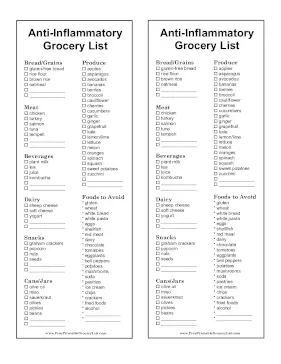
Creating an anti-inflammatory grocery list doesn't have to be overwhelming. Start by incorporating a few of these key items into your weekly shopping routine. Here’s a simple checklist to get you started:
Produce Section
- Leafy greens (spinach, kale, arugula)
- Berries (blueberries, raspberries, strawberries)
- Cruciferous veggies (broccoli, cauliflower, Brussels sprouts)
- Sweet potatoes, carrots, beets
Grains and Legumes
- Steel-cut oats, quinoa, brown rice
- Lentils, black beans, chickpeas (canned, no-salt-added or dry)
Protein Picks
- Wild salmon (fresh or frozen)
- Canned sardines or mackerel
- Organic tofu or tempeh
Fats and Oils
- Extra-virgin olive oil
- Unsalted almonds, walnuts, or pistachios
- Avocados
- Tahini
Flavor Builders
- Garlic, ginger, turmeric
- Lemon, vinegar, fresh herbs
- Salt-free seasoning blends
How Small Choices Make a Big Difference
The beauty of an anti-inflammatory diet is that it doesn’t require drastic changes. Small, daily shifts—like cooking with olive oil instead of processed oils, choosing whole grains, or adding leafy greens to your lunch—can create real changes in how your body feels and functions.
By building a rhythm of eating that supports energy, focus, sleep, digestion, and longevity, you’ll start to notice improvements in your overall well-being. And it all starts with one good grocery trip.
Conclusion
An anti-inflammatory grocery shopping list is more than just a collection of healthy foods—it's a roadmap to better health. By prioritizing nutrient-dense, whole foods and limiting inflammatory triggers, you can take control of your well-being and reduce the risk of chronic disease.
Remember, the goal isn’t to eliminate all your favorite foods, but to make smarter choices that support your body’s natural ability to heal and thrive. With a little planning and a commitment to mindful eating, you can enjoy the benefits of an anti-inflammatory lifestyle for years to come.

Post a Comment for "The Ultimate Anti-Inflammatory Grocery Shopping List for Better Health"
Post a Comment