The Ultimate Anti-Inflammatory Eating Guide for Better Health
Inflammation is a natural response that your body uses to fight off threats like infections or injuries. However, when this process becomes chronic, it can lead to serious health issues such as heart disease, diabetes, and even cancer. The good news is that what you eat plays a significant role in managing inflammation. By adopting an anti-inflammatory diet, you can support your body’s natural defenses and improve your overall well-being.
This guide will explore the principles of an anti-inflammatory diet, the foods that help reduce inflammation, and practical tips to incorporate these healthy choices into your daily life. Whether you're looking to boost your energy, manage chronic conditions, or simply feel better, this guide will provide you with the tools you need to make informed dietary decisions.
What Is an Anti-Inflammatory Diet?

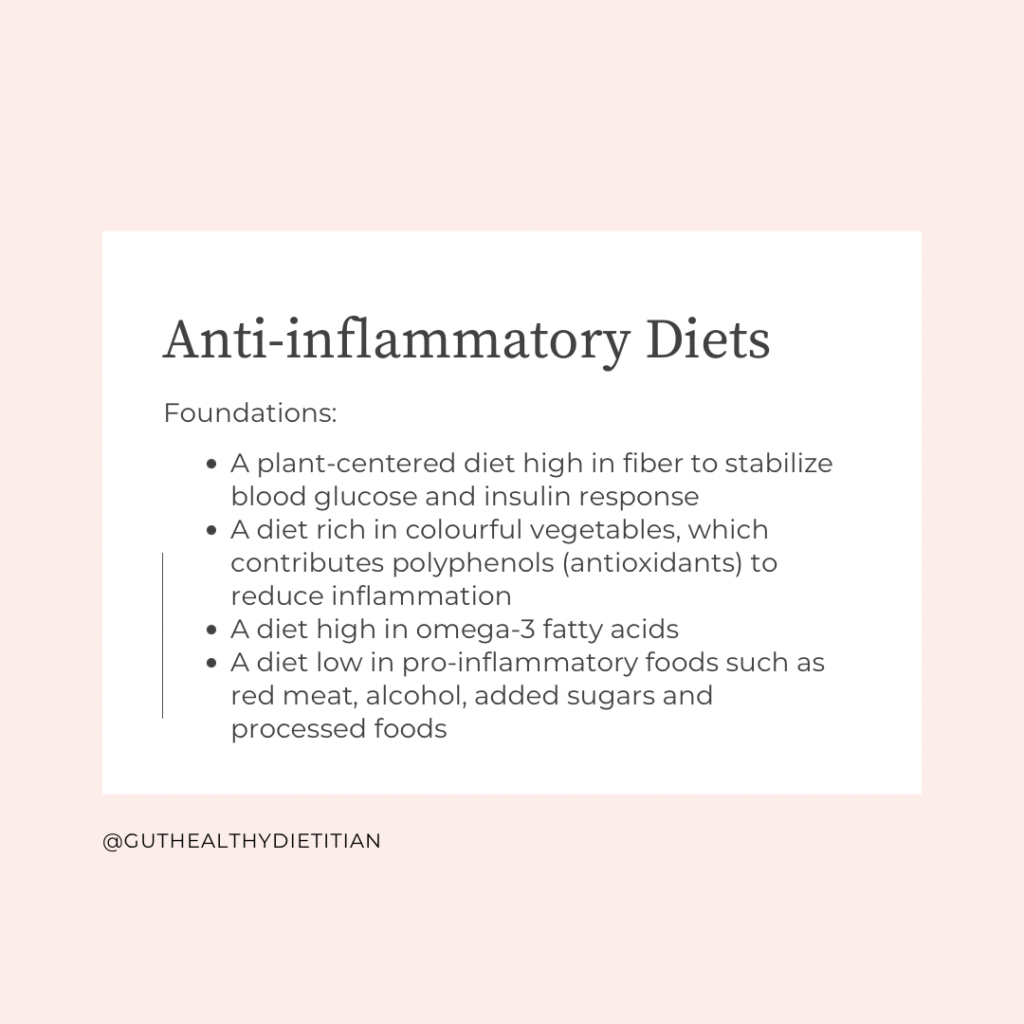
An anti-inflammatory diet is not a specific meal plan but rather a lifestyle focused on consuming whole, nutrient-dense foods that help reduce inflammation in the body. This approach emphasizes minimizing processed foods, added sugars, and unhealthy fats while increasing the intake of fruits, vegetables, whole grains, and healthy fats.
Registered dietitian Julia Zumpano explains that while there's no one-size-fits-all solution, certain eating patterns have been shown to be particularly effective. These include the Mediterranean diet and the DASH (Dietary Approaches to Stop Hypertension) diet, both of which are rich in antioxidants, fiber, and omega-3 fatty acids.
The key is to focus on variety and balance, making small, sustainable changes that align with your personal health goals.
Benefits of an Anti-Inflammatory Diet

Adopting an anti-inflammatory diet can lead to a wide range of health benefits. Here are some of the most notable ones:
- Improved skin health: Reduced inflammation can lead to clearer, healthier skin.
- Reduced joint and muscle pain: Anti-inflammatory foods may help alleviate discomfort associated with conditions like arthritis.
- Better digestion: A diet rich in fiber and probiotics can support a healthy gut.
- Enhanced mood and mental clarity: Inflammation has been linked to depression and anxiety, so reducing it may improve emotional well-being.
- Increased energy levels: A balanced diet can help maintain steady energy throughout the day.
- Weight management: Whole foods are more satiating, helping you avoid overeating.
- Lower risk of chronic diseases: Chronic inflammation is a risk factor for many serious conditions, including heart disease and diabetes.
By making mindful food choices, you can take proactive steps toward long-term health and vitality.
Foods to Eat and Avoid
To follow an anti-inflammatory diet, focus on incorporating the following foods into your meals:
Foods to Include
- Fruits and vegetables: Berries, leafy greens, bell peppers, and cruciferous vegetables like broccoli and cauliflower are packed with antioxidants and anti-inflammatory compounds.
- Whole grains: Brown rice, quinoa, oats, and whole wheat products provide fiber and essential nutrients.
- Lean proteins: Chicken, turkey, and plant-based proteins like lentils and beans are excellent choices.
- Fatty fish: Salmon, mackerel, sardines, and herring are rich in omega-3 fatty acids, which have powerful anti-inflammatory effects.
- Nuts and seeds: Walnuts, chia seeds, flaxseeds, and almonds contain healthy fats and antioxidants.
- Spices and herbs: Turmeric, ginger, cinnamon, and garlic have strong anti-inflammatory properties.
- Healthy oils: Extra virgin olive oil, avocado oil, and flaxseed oil are great sources of monounsaturated fats.
Foods to Avoid
- Processed foods: Packaged snacks, frozen meals, and ready-to-eat items often contain additives, preservatives, and unhealthy fats.
- Sugary drinks: Soda, sports drinks, and fruit juices high in sugar can trigger inflammation.
- Fried foods: French fries, fried chicken, and other deep-fried items are high in harmful trans fats.
- Refined carbohydrates: White bread, white rice, and pastries can cause spikes in blood sugar and increase inflammation.
- Processed meats: Sausages, hot dogs, and deli meats are often high in sodium and preservatives.
Avoiding these foods can significantly reduce your risk of chronic inflammation and its associated health consequences.
Tips for Following an Anti-Inflammatory Diet
Making the switch to an anti-inflammatory diet doesn’t have to be overwhelming. Here are some practical tips to help you get started:
- Read labels carefully: Look for ingredients like refined sugars, artificial additives, and unhealthy oils. Choose products with minimal processing and recognizable ingredients.
- Cook at home: Preparing meals from scratch allows you to control what goes into your food and avoid hidden inflammatory triggers.
- Experiment with spices: Incorporate turmeric, garlic, and ginger into your cooking for added flavor and anti-inflammatory benefits.
- Stay hydrated: Drinking plenty of water helps flush out toxins and supports overall health.
- Limit alcohol and tobacco: Both can contribute to inflammation and should be consumed in moderation or avoided altogether.
- Prioritize sleep: Lack of sleep can increase inflammation, so aim for 7–9 hours of quality rest each night.
- Stay active: Regular exercise helps reduce inflammation and supports overall wellness.
Small, consistent changes can lead to big improvements over time. Start by making one or two adjustments and gradually build from there.
Conclusion
An anti-inflammatory diet is more than just a way to eat—it's a lifestyle that supports your body’s natural ability to heal and thrive. By focusing on whole, nutrient-rich foods and avoiding processed options, you can reduce chronic inflammation and lower your risk of serious health conditions.
Remember, there's no single "magic" food that will eliminate inflammation, but a balanced, varied diet can make a significant difference. Whether you're looking to improve your energy, manage a chronic condition, or simply feel better, the principles of an anti-inflammatory diet offer a practical and sustainable path to better health.
Start today by making small, meaningful changes to your eating habits. Your body—and your future self—will thank you.

Post a Comment for "The Ultimate Anti-Inflammatory Eating Guide for Better Health"
Post a Comment