The Top Peptides for Improving Skin Elasticity in 2025
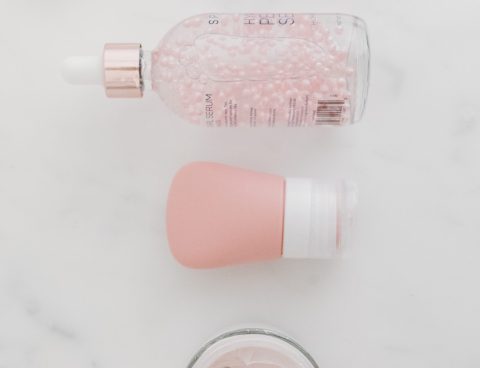
As we age, our skin naturally loses its firmness and elasticity. This is largely due to a decrease in collagen and elastin production, which are essential proteins that keep our skin looking youthful and supple. While there are many skincare products on the market promising to restore skin elasticity, one of the most effective ways to support your skin’s health is through the use of peptides. These powerful ingredients have gained popularity in recent years for their ability to stimulate collagen production and improve skin texture.
In this article, we’ll explore the best peptides for improving skin elasticity, backed by scientific research and real-world results. Whether you're looking to combat early signs of aging or want to maintain a more youthful complexion, understanding how these peptides work can help you make informed decisions about your skincare routine.
What Are Peptides and How Do They Work?
Peptides are short chains of amino acids, which are the building blocks of proteins. In skincare, they are used to signal skin cells to produce more collagen, elastin, and other key components that support skin firmness and structure. As we age, the natural production of these proteins slows down, leading to visible signs of aging such as sagging, wrinkles, and fine lines.
Peptides help counteract this decline by activating specific biological pathways that promote skin repair and renewal. Many of the most effective skin-tightening peptides also have anti-inflammatory and antioxidant properties that further improve skin texture and resilience.
The Science Behind Peptides for Skin Elasticity
Collagen is a protein that provides structural support to the skin, while elastin allows it to stretch and return to its original shape. Both are crucial for maintaining skin elasticity. However, as we age, the body's ability to produce these proteins diminishes, leading to a loss of firmness and a more aged appearance.
Peptides work by mimicking the signals that the body uses to repair damaged skin. When applied topically, they can penetrate the skin and trigger the production of new collagen and elastin fibers. This process helps to strengthen the skin’s structure, making it appear firmer and more elastic over time.
The Top Peptides for Skin Elasticity
-
GHK-Cu (Copper Peptide)
GHK-Cu is widely considered the gold standard for topical skin regeneration. This copper peptide occurs naturally in the body but decreases significantly with age. It works by stimulating collagen and elastin production, increasing blood flow to skin tissue, and reducing oxidative stress. Clinical data confirms that topical GHK-Cu improves skin elasticity, firmness, and thickness. It has also been shown to reduce fine lines and accelerate repair after cosmetic procedures like microneedling. -
Matrixyl (Palmitoyl Pentapeptide-4)
Matrixyl is a synthetic signal peptide that mimics the function of damaged collagen to trigger the skin’s natural regeneration process. It signals fibroblasts to increase collagen synthesis and enhances dermal density. A 12-week double-blind clinical study showed a significant reduction in wrinkle depth and an improvement in skin tone among users applying Matrixyl-based topical treatments. -
Argireline (Acetyl Hexapeptide-8)
Often called the “Botox peptide,” Argireline works by inhibiting neurotransmitter release at the neuromuscular junction, helping to relax facial tension. It reduces the depth of dynamic wrinkles (especially forehead and eye area) and provides a mild lifting effect with regular use. Clinical studies have shown up to a 30% wrinkle depth reduction after 30 days of consistent topical application. -
SNAP-8 (Acetyl Octapeptide-3)
SNAP-8 is an advanced version of Argireline, offering enhanced stability and potency for tightening skin affected by repetitive facial expressions. It builds upon the muscle-relaxing mechanism of Argireline to further reduce contractions that contribute to sagging and deep lines. Comparative studies demonstrate that SNAP-8 can reduce wrinkle depth by up to 63% in just four weeks of topical use. -
Tripeptide-1
Tripeptide-1 is a signaling peptide that encourages the skin to rebuild its extracellular matrix. It boosts collagen and glycosaminoglycan production, strengthening the skin barrier and improving overall tightness. It is frequently used in regenerative topical “cocktails” that combine multiple peptides for a synergistic firming effect. -
Acetyl Tetrapeptide-2
Acetyl Tetrapeptide-2 is a highly effective peptide for skin tightening, especially in mature skin types, by mimicking the “youth hormone” thymopoietin. It increases skin firmness by supporting dermal structure and enhancing elasticity to reduce sagging along the neck and jawline. A 28-day trial showed that participants experienced a visible lifting effect and improved contour definition through regular topical application.
Choosing the Right Peptide for Your Skin
When selecting a peptide for skin elasticity, it's important to consider your skin type, age, and aesthetic goals. While over-the-counter products offer minor improvements, medically prescribed topical peptides—compounded for higher potency—provide superior and longer-lasting results. At Amazing Meds, each treatment plan is created under physician supervision, ensuring that you receive the most effective formulation for your unique needs.
How Long Does It Take to See Results?
Most patients notice visible improvements in firmness and texture within 4 to 8 weeks. Deeper rejuvenation, such as a lifted jawline, typically requires 12 weeks of consistent application. Patience and consistency are key when using peptides, as the results are gradual but long-lasting.
Conclusion
Peptides are a powerful tool for improving skin elasticity and combating the signs of aging. By stimulating collagen and elastin production, they help to strengthen the skin’s structure and restore a more youthful appearance. Whether you choose a topical serum, cream, or a compounded prescription, incorporating the right peptides into your skincare routine can make a significant difference in the health and appearance of your skin.
If you're looking for a safe and effective way to enhance your skin’s elasticity, consider consulting with a dermatologist or skincare professional to determine the best peptide regimen for your individual needs. With the right approach, you can achieve firmer, more resilient skin that looks and feels its best.

Post a Comment for "The Top Peptides for Improving Skin Elasticity in 2025"
Post a Comment