The Science-Backed Benefits of GHK-Cu Peptide for Skin Health and Anti-Aging
If you’ve ever wondered how some people maintain youthful, glowing skin well into their 60s, you might be surprised to learn that a small molecule called GHK-Cu peptide could play a significant role. This naturally occurring tripeptide has been the subject of extensive research, revealing its powerful effects on tissue repair, collagen production, and anti-inflammatory responses. While it’s often marketed as an "anti-aging" ingredient, the science behind GHK-Cu goes far beyond superficial claims. In this article, we’ll explore what makes GHK-Cu so effective, how it works at the cellular level, and why it’s gaining attention in both skincare and regenerative medicine.
What Is GHK-Cu?
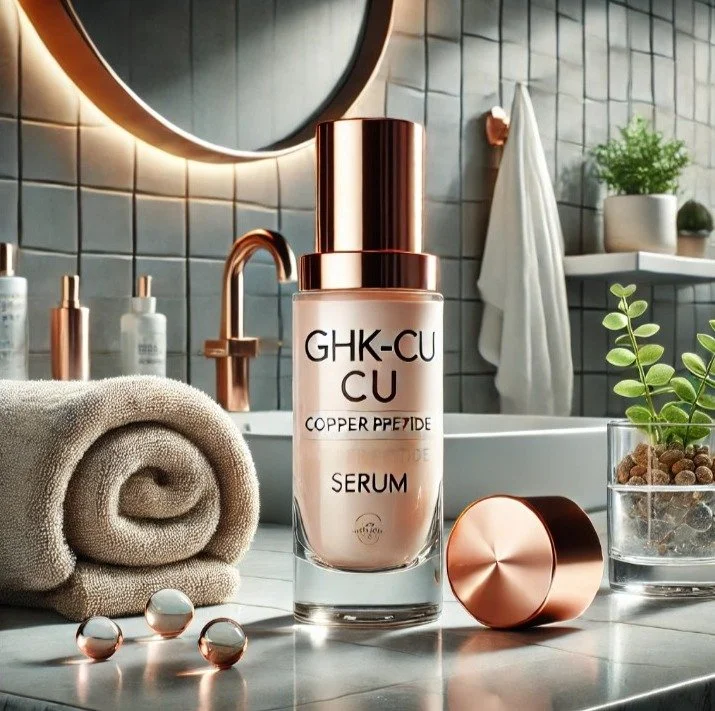
GHK-Cu stands for Glycyl-L-Histidyl-L-Lysine Copper, a tripeptide composed of three amino acids: glycine, histidine, and lysine. When bound to copper ions, it becomes a potent signaling molecule that interacts with cells to promote healing and regeneration. Unlike hormones or growth factors, GHK-Cu doesn’t act through a single receptor system. Instead, it modulates gene expression, extracellular matrix (ECM) remodeling, and copper transport—making it a unique player in the body’s natural repair processes.
Research shows that GHK-Cu is found in human plasma, saliva, and urine, but its levels decline with age. By the time someone reaches their 60s, their GHK-Cu levels may drop by nearly 60%. This decline correlates with reduced tissue repair capacity, making GHK-Cu a potential target for interventions aimed at maintaining skin health and overall vitality.
How GHK-Cu Works: A Cellular Perspective
At the core of GHK-Cu’s effectiveness is its ability to influence multiple biological pathways:
- Collagen Synthesis: GHK-Cu stimulates the production of collagen types I and III, which are essential for skin elasticity and structural integrity.
- Angiogenesis: It promotes the formation of new blood vessels, improving oxygen and nutrient delivery to damaged tissues.
- Anti-Inflammatory Action: GHK-Cu suppresses pro-inflammatory signals like NFκB, reducing inflammation and oxidative stress.
- Tissue Repair: It enhances fibroblast activity, helping to rebuild damaged skin, bone, and connective tissue.
These mechanisms make GHK-Cu particularly valuable for wound healing, skin rejuvenation, and even lung and liver protection. Its effects are localized rather than systemic, meaning it targets specific areas without disrupting the body’s hormonal balance.
The Science-Backed Benefits of GHK-Cu
1. Skin Health and Anti-Aging
One of the most well-documented benefits of GHK-Cu is its impact on skin health. Studies show that it can:
- Increase skin elasticity and firmness
- Reduce fine lines and wrinkles
- Improve dermal thickness and density
- Enhance collagen and elastin production
Topical applications have demonstrated measurable improvements in skin texture and hydration. However, injectable forms of GHK-Cu may offer more profound results by delivering higher concentrations directly into the bloodstream, allowing for deeper tissue penetration and systemic benefits.
2. Wound Healing and Tissue Regeneration
GHK-Cu has shown remarkable efficacy in accelerating wound healing across various tissues, including:
- Skin – Promotes faster closure and reduces scarring
- Lungs – Restores function in chronic obstructive pulmonary disease (COPD) models
- Bone and Liver – Supports tissue regeneration and repair
In animal studies, GHK-Cu has been linked to up to a 9-fold increase in collagen production and 60% reductions in inflammatory markers, highlighting its potential as a regenerative agent.
3. Anti-Inflammatory and Antioxidant Effects
Chronic inflammation is a root cause of many aging-related conditions. GHK-Cu helps combat this by:
- Suppressing NFκB and p38 MAPK pathways
- Reducing TNF-α and IL-6 cytokines
- Boosting antioxidant defenses like SOD and GSH
These actions not only support skin health but also contribute to overall cellular longevity and immune function.
4. Hair Growth and Scalp Health
While less studied than its skin benefits, GHK-Cu has shown promise in supporting hair growth. Research suggests it can:
- Improve scalp microcirculation
- Reduce inflammatory signaling around hair follicles
- Increase hair count and shaft thickness
Unlike traditional hair loss treatments, GHK-Cu does not interfere with DHT, making it a safer option for those concerned about side effects.
What You Can Expect from GHK-Cu
It’s important to set realistic expectations when using GHK-Cu. While it offers numerous benefits, it’s not a miracle cure. Most users report:
- Improved skin elasticity and firmness
- Faster recovery from injuries
- Reduced joint discomfort
- Subtle improvements in hair quality
These changes are typically cumulative and may take 4–12 weeks of consistent use to become noticeable. For best results, GHK-Cu should be used as part of a broader wellness strategy that includes proper nutrition, hydration, and lifestyle habits.
Safety and Side Effects
GHK-Cu is generally considered safe, with no major adverse effects reported in preclinical and clinical studies. However, there are a few things to keep in mind:
- Copper Metabolism: Since GHK-Cu binds copper, individuals with Wilson’s disease or other copper metabolism disorders should exercise caution.
- Quality Matters: Not all GHK-Cu products are created equal. Choose high-quality, third-party tested formulations to ensure purity and potency.
- Long-Term Data: While short-term safety profiles look promising, long-term human studies are still limited.
Final Thoughts
GHK-Cu is more than just a skincare trend—it’s a scientifically validated tool for promoting tissue repair, reducing inflammation, and supporting overall health. Whether you’re looking to improve your skin’s appearance, speed up wound healing, or enhance your body’s regenerative capacity, GHK-Cu offers a compelling solution backed by decades of research.
As with any supplement or treatment, it’s wise to consult with a healthcare professional before starting a GHK-Cu regimen. But for those seeking a natural, evidence-based approach to aging and wellness, GHK-Cu is definitely worth exploring.

Post a Comment for "The Science-Backed Benefits of GHK-Cu Peptide for Skin Health and Anti-Aging"
Post a Comment