The Science-Backed Benefits of Deep Meditation for Brain Health
In a world where stress, distraction, and cognitive overload are constant companions, the quest for mental clarity and brain health has never been more urgent. While modern science continues to explore the intricacies of the human brain, one ancient practice has emerged as a powerful tool for enhancing cognitive function: deep meditation. From reducing stress to improving focus and emotional regulation, the benefits of deep meditation for brain health are supported by a growing body of research. This article explores the science behind these effects, offers practical insights, and provides actionable tips for integrating meditation into daily life.
The Science Behind Deep Meditation and Brain Health
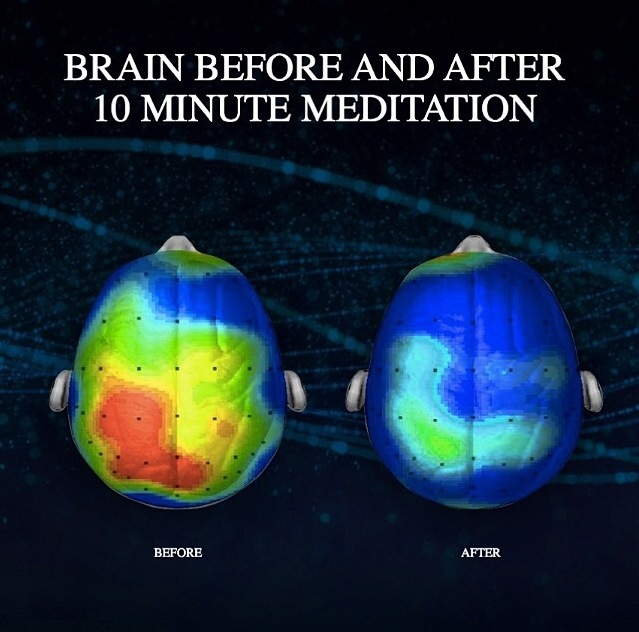
Deep meditation is more than just a relaxation technique—it’s a transformative practice that alters brain structure and function. Studies using neuroimaging techniques like fMRI and EEG have shown that regular meditation can lead to measurable changes in the brain, particularly in regions associated with attention, emotional regulation, and self-awareness.
One of the most compelling findings comes from a study conducted by Giuseppe Pagnoni, an Italian neuroscientist. His research revealed that experienced meditators had greater stability in the ventral posteromedial cortex (vPMC), a brain region linked to spontaneous thoughts and mind-wandering. This increased stability allows meditators to better control their attention, reducing the likelihood of being distracted by intrusive or negative thoughts. The implications for brain health are profound: improved focus, reduced stress, and enhanced cognitive resilience.
Moreover, meditation has been shown to increase gray matter density in areas of the brain responsible for memory, learning, and emotional processing. This suggests that consistent meditation practice can enhance cognitive function and protect against age-related decline.
Types of Meditation for Brain Health
While all forms of meditation offer some benefits, certain practices are particularly effective for brain health. Here are a few key types:
1. Mindfulness Meditation
Mindfulness meditation involves focusing on the present moment without judgment. By training the mind to stay anchored in the now, practitioners can reduce stress, improve attention, and enhance emotional regulation. Research shows that mindfulness meditation can lower cortisol levels, the hormone associated with stress, and improve working memory.
2. Body Scan Meditation
This practice involves mentally scanning the body from head to toe, bringing awareness to each part. It helps release physical tension and promotes relaxation, which in turn supports mental clarity. A 2017 study found that body scan meditation was linked to fewer depression relapses in individuals with bipolar disorder.
3. Transcendental Meditation (TM)
TM uses a mantra—a repeated sound or phrase—to help the mind settle into a state of deep relaxation. Studies have shown that TM can reduce symptoms of anxiety, depression, and burnout, while also improving cognitive performance.
4. Loving-Kindness Meditation (LKM)
LKM focuses on cultivating compassion and kindness toward oneself and others. This practice has been shown to reduce self-criticism, increase positive emotions, and improve mood. It’s especially beneficial for those dealing with chronic stress or low self-esteem.
5. Breath Awareness Meditation
Focusing on the breath is a fundamental component of many meditation practices. Even short sessions of 15 minutes a day can lead to significant improvements in emotional reactivity and mental clarity.
Practical Tips for Starting a Meditation Practice
If you're new to meditation, here are some simple steps to get started:
- Start small: Begin with just 5–10 minutes a day. Consistency is more important than duration.
- Find a quiet space: Choose a calm, distraction-free environment where you can sit comfortably.
- Use guided meditations: Apps like Headspace, Calm, or Insight Timer offer guided sessions that are perfect for beginners.
- Focus on your breath: Use your breath as an anchor to bring your attention back when your mind wanders.
- Be patient: It takes time to develop the habit of meditation. Don’t be discouraged if your mind drifts—this is normal.
The Cognitive Benefits of Deep Meditation
Beyond stress reduction, deep meditation offers a range of cognitive benefits that can significantly impact brain health:
- Improved Attention and Focus: Meditation trains the brain to stay present, reducing distractions and enhancing concentration.
- Enhanced Memory: Studies show that regular meditation can improve working memory and long-term recall.
- Better Emotional Regulation: By increasing awareness of thoughts and emotions, meditation helps individuals respond to stressors more calmly.
- Increased Neuroplasticity: Meditation promotes the brain’s ability to adapt and reorganize itself, which is crucial for learning and recovery from cognitive setbacks.
The Role of Meditation in Longevity and Age-Related Diseases
Research also suggests that meditation may play a role in promoting longevity and reducing the risk of age-related diseases. Chronic stress and inflammation are known contributors to conditions like Alzheimer’s and dementia. By lowering cortisol levels and improving immune function, meditation can support overall brain health and reduce the risk of cognitive decline.
A 2015 study found that yoga combined with cognitive-behavioral therapy (CBT) eased anxiety, depression, and panic while improving sleep and quality of life in people with generalized anxiety disorder. Similarly, mindfulness-based interventions have been shown to reduce symptoms of depression and anxiety in older adults.
Frequently Asked Questions About Deep Meditation
Q: How long should I meditate daily for optimal benefits?
A: Most experts recommend 10–30 minutes a day, but even shorter sessions can be beneficial. The key is consistency.
Q: Can meditation replace medication for mental health issues?
A: While meditation can complement traditional treatments, it should not be used as a substitute for professional medical care. Always consult a healthcare provider before making changes to your treatment plan.
Q: What types of meditation are most effective for cognitive enhancement?
A: Mindfulness and transcendental meditation are among the most studied and effective for improving focus, memory, and emotional regulation.
Q: Is there a recommended age to start meditating?
A: There is no strict age limit. Children can benefit from simplified meditation practices, and adults can start at any stage of life.
Q: How can I measure my progress in meditation?
A: Keep a meditation journal to track your experiences, note changes in mood or focus, and set goals for improvement.
Conclusion
Deep meditation is more than a trend—it’s a scientifically supported practice that can profoundly impact brain health. From improving attention and emotional regulation to reducing stress and supporting longevity, the benefits are clear. Whether you’re a seasoned practitioner or just starting out, incorporating meditation into your daily routine can lead to lasting improvements in mental clarity, cognitive function, and overall well-being. As research continues to uncover the full potential of this ancient practice, one thing remains certain: the mind is capable of remarkable transformation, and meditation is a powerful tool to unlock that potential.

Post a Comment for "The Science-Backed Benefits of Deep Meditation for Brain Health"
Post a Comment