Mastering Deep Focus: Proven Strategies to Boost Productivity at Work
In today’s fast-paced, distraction-filled world, maintaining focus at work can feel like an uphill battle. With constant notifications, meetings, and the lure of social media, it’s easy to fall into the trap of shallow work—tasks that don’t truly add value or push your skills forward. But what if you could reclaim your time and energy, unlocking a level of productivity that allows you to achieve more in less time? The answer lies in mastering deep focus strategies for work.
This article will guide you through actionable techniques to cultivate deep focus, helping you create meaningful work that aligns with your goals and values. Whether you're a writer, designer, programmer, or knowledge worker, these strategies are designed to help you thrive in an environment that often prioritizes busyness over true productivity.

Understanding Deep Focus and Its Importance

Deep focus refers to the ability to concentrate fully on a single task without distractions. It's not just about working longer hours—it's about working smarter. When you’re in a state of deep focus, your brain is fully engaged, allowing you to produce high-quality work, solve complex problems, and make progress on meaningful projects.
Research shows that our attention span is shrinking. According to a study by Microsoft, the average human attention span has dropped from 12 seconds in 2000 to 8 seconds in 2023. This decline is largely due to the constant stream of digital distractions we face daily. However, the good news is that deep focus is a skill that can be developed with the right strategies.
By minimizing distractions, practicing mindfulness, and structuring your workday intentionally, you can significantly improve your ability to stay focused and productive.
Key Strategies for Cultivating Deep Focus

1. Minimize Distractions
Distractions are the enemy of deep focus. To create an environment conducive to concentration, start by identifying and eliminating common interruptions:
- Silence notifications: Turn off non-essential alerts on your phone and computer.
- Use noise-canceling headphones: These can help block out background noise and signal to your brain that it's time to focus.
- Create a dedicated workspace: A clutter-free, organized area can help you get into a focused mindset more quickly.
By creating boundaries around your work, you send a clear message to your brain that it's time to concentrate.
2. Practice Mindfulness
Mindfulness techniques can help you stay present and reduce mental clutter. Simple practices like deep breathing, meditation, or even taking a short walk can help reset your focus and improve your ability to concentrate.
According to a study published in the journal Psychological Science, individuals who practiced mindfulness regularly showed improved attention and reduced stress levels. Incorporating mindfulness into your routine can help you maintain a calm, focused mind throughout the day.
3. Schedule Deep Work Blocks
One of the most effective ways to build deep focus is by scheduling dedicated blocks of time for focused work. This technique, known as time blocking, involves dividing your day into specific time slots for different tasks.
Here’s how to get started:
- Choose your peak hours: Identify when you’re most alert and productive.
- Block 90–120 minute chunks: Protect this time on your calendar as you would a meeting.
- Label them “Do Not Disturb”: Communicate to others that this is your focused time.
By treating deep work as a non-negotiable part of your schedule, you’ll be more likely to stick to it and reap the benefits.
4. Eliminate Multitasking

Multitasking is a myth. Research shows that switching between tasks actually reduces efficiency and increases the likelihood of errors. Instead of juggling multiple tasks, focus on one thing at a time.
To eliminate multitasking:
- Keep only one browser tab open
- Put your phone in another room
- Use tools like Cold Turkey or Freedom to block distractions
Even a brief glance at your phone can derail your train of thought for up to 20 minutes. By limiting distractions, you’ll be able to maintain a deeper level of focus.
5. Use the Flow Trigger Ritual

Athletes have pre-game rituals to get into the right mindset. You should too. A flow trigger ritual helps signal to your brain that it's time to dive into deep work.
Create a repeatable routine such as:
- Putting on noise-canceling headphones
- Opening only the necessary software
- Lighting a candle or brewing tea
- Playing a specific instrumental track
These cues become associated with deep work, making it easier to enter a state of flow.
Building a Sustainable Deep Work Routine

Once you’ve implemented these strategies, the next step is to build a sustainable deep work routine. This involves not only planning your time but also being intentional about how you structure your day.
1. Schedule Every Minute of Your Day
Cal Newport, author of Deep Work, recommends scheduling every minute of your day. While this may sound extreme, it’s a powerful way to ensure that you’re using your time effectively.
Break your day into blocks and assign activities to each one. For example:
- Morning (9:00 AM – 11:00 AM): Deep work
- Afternoon (1:00 PM – 3:00 PM): Shallow work
- Evening (6:00 PM – 7:00 PM): Downtime
This approach forces you to be thoughtful about how you allocate your time and ensures that you’re prioritizing high-impact tasks.
2. Assign Deep and Shallow Grades to Your Work
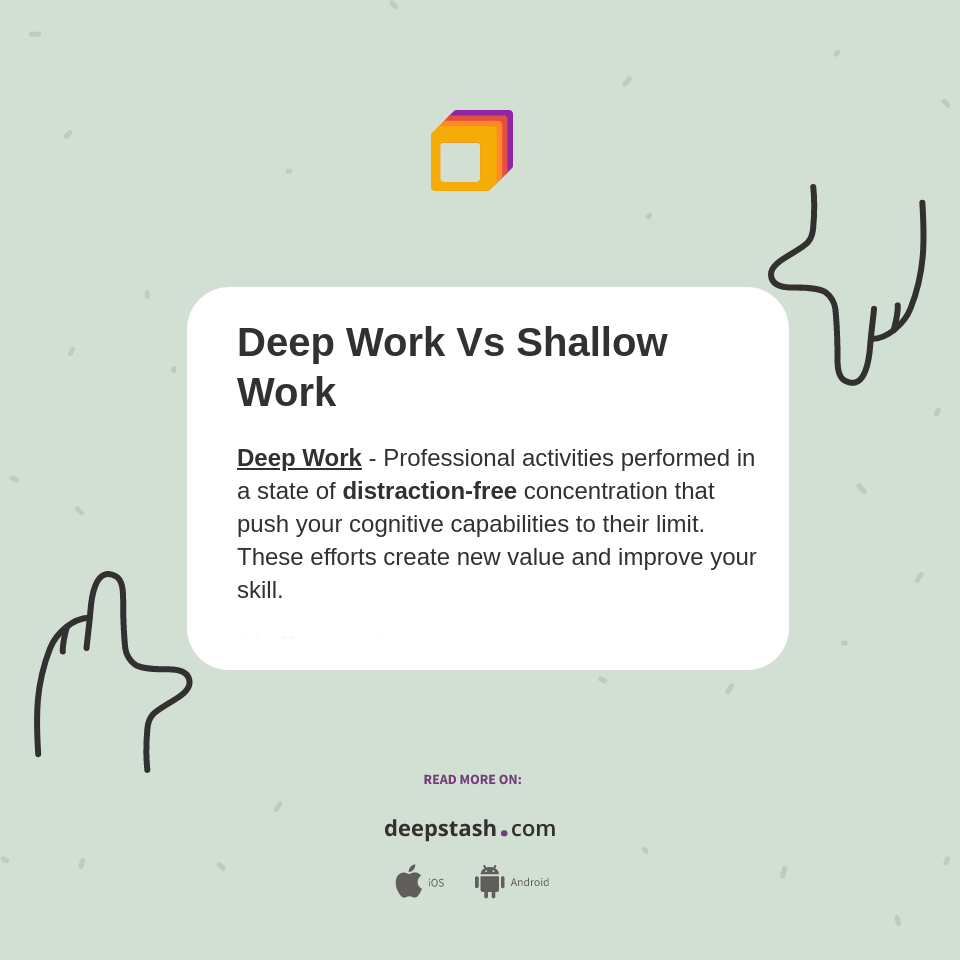
Not all tasks are created equal. Some require deep focus, while others are better suited for quick, shallow work. Assign a “deep” or “shallow” grade to each task to determine where to focus your energy.
Ask yourself:
- Does this task require focused attention?
- Does it create new value?
- Would it be difficult to replicate?
If you can answer “yes” to most of these questions, it’s likely a deep work task worth prioritizing.
3. Limit Your Workday
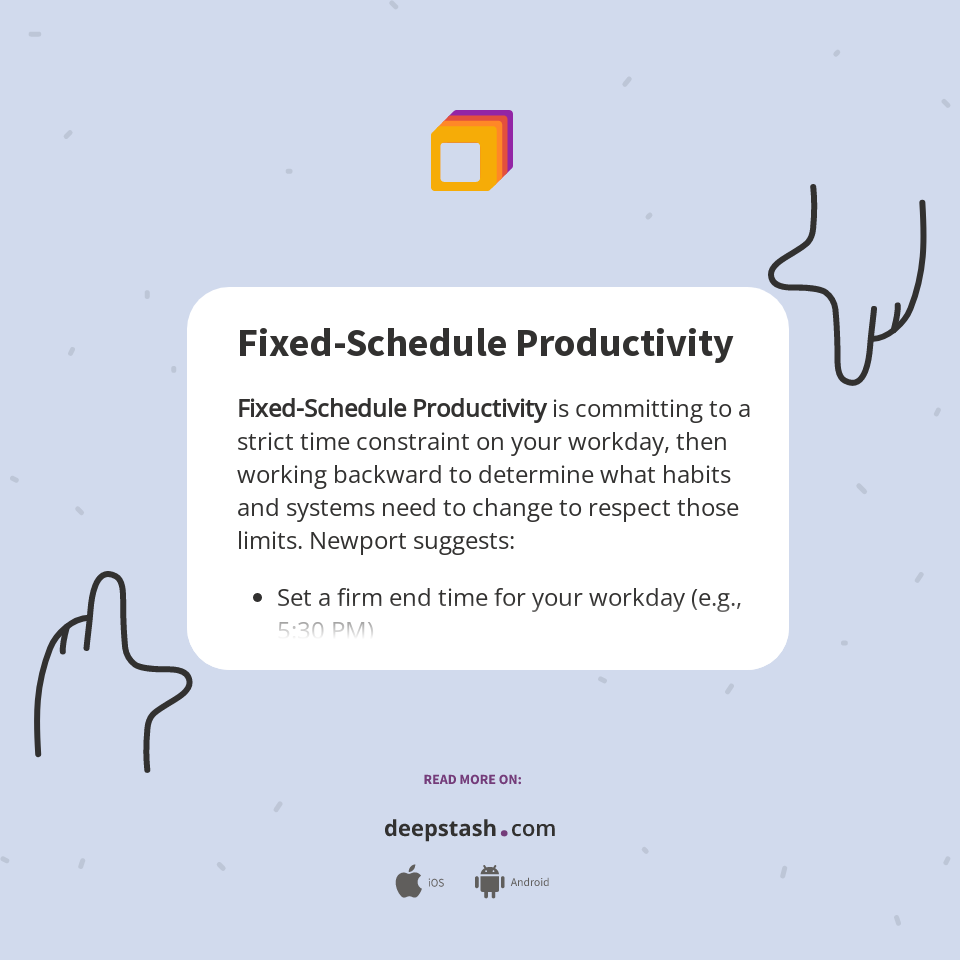
Embrace fixed-schedule productivity by limiting your workday to a typical eight-hour schedule. This forces you to be ruthless in choosing where to spend your time and energy.
By constraining your workday, you’ll be more intentional about how you use your time and avoid the trap of working long hours without achieving meaningful results.
Conclusion
Mastering deep focus isn’t about working harder—it’s about working smarter. By implementing these proven strategies, you can reclaim your time, boost your productivity, and achieve more in less time. Whether you’re a creative professional, a knowledge worker, or someone looking to improve your work habits, the principles outlined in this article can help you unlock your full potential.
Remember, deep focus is a skill that requires practice and intentionality. Start small, be consistent, and gradually build a routine that supports your goals. With time, you’ll find that the rewards of deep work are well worth the effort.
Post a Comment for "Mastering Deep Focus: Proven Strategies to Boost Productivity at Work"
Post a Comment