Master Advanced Mindfulness Techniques for Daily Peace and Focus
In a world that never seems to slow down, finding moments of peace and clarity can feel like an impossible task. Yet, the practice of advanced mindfulness techniques offers a powerful solution. These methods go beyond basic meditation, helping you cultivate deeper self-awareness, emotional resilience, and a profound sense of presence. Whether you're looking to reduce stress, improve focus, or simply live more intentionally, mastering these techniques can transform your daily life.
This article will explore the most effective advanced mindfulness practices, how they work, and why they matter. You'll discover practical steps to integrate them into your routine, along with real-world benefits supported by science and personal experience. By the end, you'll have a clear roadmap to unlock the full potential of your mind and body.

Understanding Advanced Mindfulness Techniques
Mindfulness is often associated with simple breathing exercises or sitting quietly in stillness. But advanced mindfulness techniques take this practice to a whole new level. These methods are designed to deepen your awareness, help you observe thoughts without attachment, and foster a more balanced relationship with your inner world. They include practices such as body scans, loving-kindness meditation, visualization, and self-inquiry—each offering unique tools to enhance mental clarity and emotional well-being.
What makes these techniques "advanced" is not necessarily their complexity, but their ability to challenge habitual patterns of thought and behavior. They encourage you to step beyond surface-level awareness and engage with your experiences in a more intentional, reflective way. This kind of deep engagement can lead to lasting changes in how you perceive and respond to the world around you.
1. Body Scan Meditation
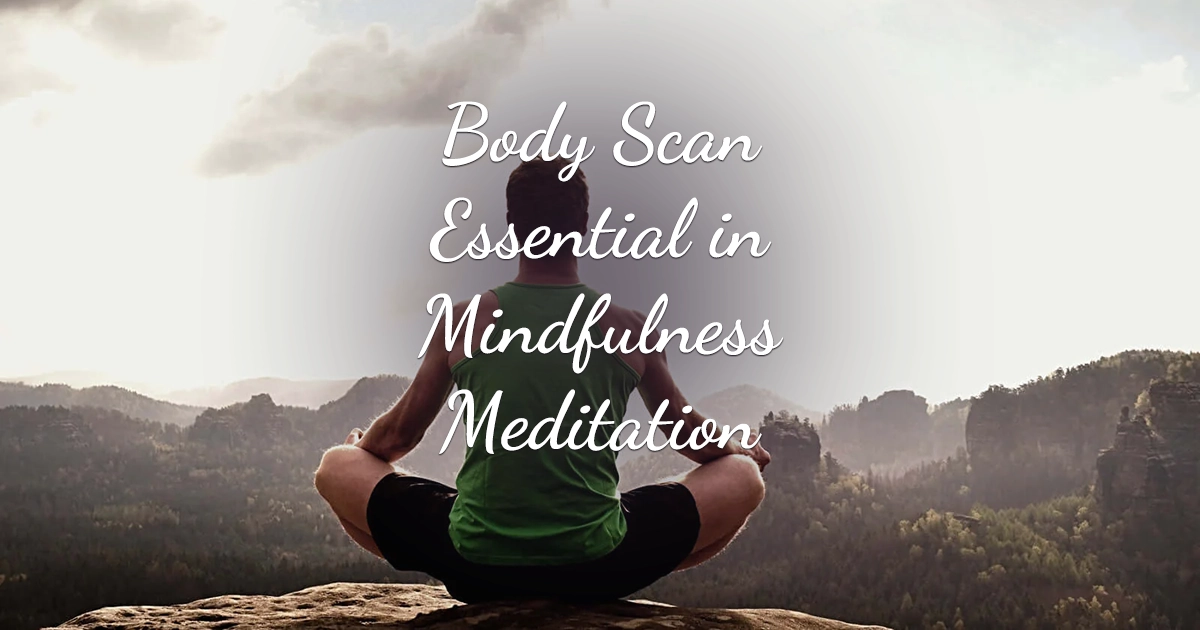
The body scan is one of the most effective ways to connect with your physical self and release tension. This technique involves mentally scanning your body from head to toe, focusing on each part and observing any sensations, tensions, or discomforts without judgment. It’s a powerful tool for relaxation and self-awareness, especially when practiced regularly.
How to Practice:
- Find a comfortable position, either lying down or sitting.
- Close your eyes and take a few deep breaths.
- Begin at the top of your head and move downward, noticing any sensations in your scalp, forehead, cheeks, neck, shoulders, arms, and so on.
- Breathe deeply as you focus on each area, allowing any tension to release with each exhale.
- Once you reach your feet, take a moment to feel your entire body as a whole.
This practice helps you become more attuned to your body, which can be especially useful if you suffer from chronic stress or anxiety. Over time, it can also improve your ability to recognize and release physical tension before it becomes a problem.
[IMAGE: Body scan meditation for advanced mindfulness]
2. Loving-Kindness Meditation (Metta)
Loving-kindness meditation, or Metta, is a practice rooted in Buddhist traditions that focuses on cultivating compassion and kindness toward yourself and others. It involves silently repeating phrases such as “May I be happy,” “May I be healthy,” and “May I live with ease.” As you progress, you extend these wishes to loved ones, acquaintances, and even those who have caused you difficulty.
Why It Matters:
- Enhances empathy and emotional resilience.
- Reduces negative self-talk and fosters a more positive mindset.
- Encourages connection and understanding, even in challenging situations.
This technique is particularly beneficial for those struggling with self-criticism or interpersonal conflicts. By regularly practicing Metta, you can develop a more compassionate and accepting attitude toward yourself and others, leading to greater emotional stability and harmony.
3. Zen Meditation (Zazen)
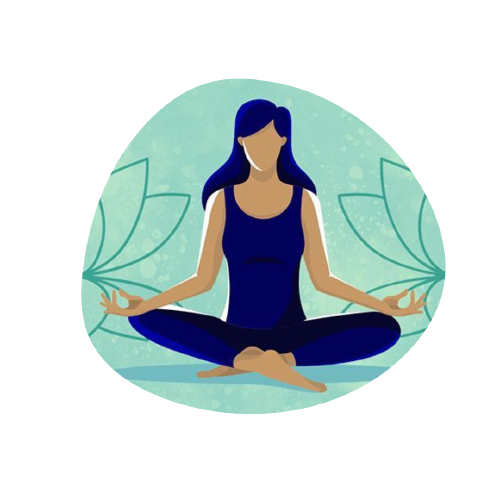
Zen meditation, or Zazen, is a core practice in Zen Buddhism that emphasizes seated meditation as a means of understanding the mind’s nature. It encourages practitioners to observe thoughts without attachment or identification. The goal is to remain present and aware, without getting caught up in the content of your thoughts.
How to Practice:
- Sit comfortably in a quiet space, either on a chair or cushion.
- Keep your spine straight, shoulders relaxed, and hands resting in your lap or on your knees.
- Focus on your natural breath, inhaling and exhaling slowly and deeply.
- When thoughts arise, acknowledge them without judgment and gently return your focus to your breath.
Zazen helps cultivate present-moment awareness and enhances the ability to remain unattached from thoughts. It's a powerful practice for those looking to develop greater mental clarity and emotional balance.
4. Transcendental Meditation (TM)

Transcendental Meditation is a form of mantra meditation that has gained popularity for its simplicity and effectiveness. Practitioners use a specific mantra, which serves as a focal point for achieving a state of deep relaxation and transcendence. TM is typically practiced twice a day for 20 minutes and is known for its ability to reduce stress and promote inner peace.
Key Benefits:
- Reduces cortisol levels and promotes relaxation.
- Enhances cognitive function and creativity.
- Supports overall mental and emotional well-being.
While TM requires personalized instruction, the practice itself is straightforward and accessible to anyone willing to commit to regular sessions. It’s an excellent choice for those seeking a structured approach to mindfulness that can be easily integrated into daily life.
5. Mindful Walking Meditation

Walking meditation is a dynamic way to bring mindfulness into movement. Instead of focusing solely on stillness, this practice encourages you to pay attention to the experience of walking itself—each step becoming an object of focus. It’s a great alternative for those who find sitting meditation challenging or uncomfortable.
How to Practice:
- Choose a quiet path where you can walk back and forth without distractions.
- Stand still for a moment and take several deep breaths.
- Begin walking slowly, paying attention to each step—notice how your foot lifts off the ground, moves through the air, and lands again.
- Synchronize your breath with your steps, if desired.
- Be fully present with each sensation, from the feeling of your feet touching the ground to the rhythm of your breath.
Mindful walking meditation enhances mindfulness by linking it directly with physical movement, making it easier to stay grounded and focused throughout the day.
Conclusion
Advanced mindfulness techniques offer a powerful pathway to greater peace, focus, and self-awareness. From body scans and loving-kindness meditation to Zen and Transcendental Meditation, these practices provide a wide range of tools to help you navigate the challenges of modern life with more clarity and calm. By incorporating these techniques into your daily routine, you can cultivate a deeper connection with yourself and the world around you.
Remember, the journey to mindfulness is not about perfection—it's about presence. With consistent practice and an open heart, you can unlock the transformative power of these advanced techniques and experience the profound benefits they offer. Whether you're seeking relief from stress, improved focus, or a deeper sense of purpose, the path of mindfulness is waiting for you. Start today, and let the journey begin.

Post a Comment for "Master Advanced Mindfulness Techniques for Daily Peace and Focus"
Post a Comment