How to Maintain a Consistent Zone 2 Heart Rate for Optimal Fitness
If you're looking to improve your cardiovascular health, boost endurance, or simply feel better in your daily life, maintaining a consistent Zone 2 heart rate could be the key to unlocking your full potential. Zone 2 training is a scientifically backed method that focuses on moderate-intensity exercise, allowing your body to build aerobic capacity while minimizing the risk of injury. This article will guide you through the fundamentals of Zone 2 training, explain why it's so effective, and offer practical tips to help you stay in this optimal range.

Understanding Zone 2 Training
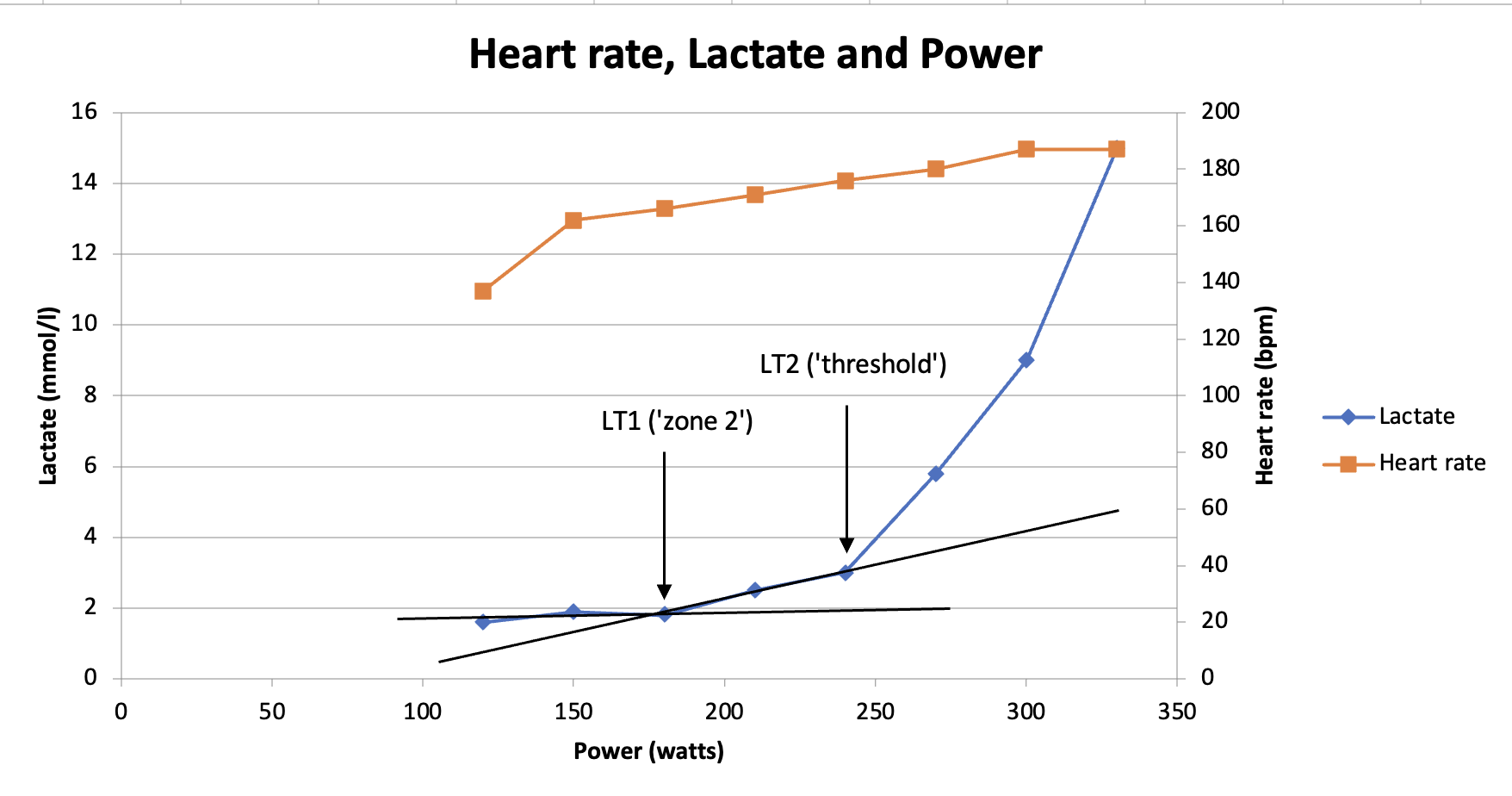
Zone 2 training refers to exercising at 60-70% of your maximum heart rate (MHR). This intensity level falls between the lightest (Zone 1) and more intense (Zones 3-5) heart rate zones. At this pace, your body efficiently uses fat as fuel, builds mitochondrial density, and improves overall cardiovascular function. It’s not about pushing yourself to the limit; rather, it’s about finding a sustainable rhythm that allows your body to adapt over time.
To determine your MHR, a common formula is 220 minus your age. For example, if you’re 30 years old, your MHR would be approximately 190 beats per minute (BPM). Zone 2 would then fall between 114 and 133 BPM. While this is a useful starting point, it’s important to note that individual variations exist, and using a heart rate monitor can provide more accurate data.
The Science Behind Zone 2 Training

The benefits of Zone 2 training are rooted in science. When you exercise in this range, your body operates below the aerobic threshold, which means lactate accumulation remains minimal. This allows your muscles to process lactate effectively, reducing fatigue and enabling longer, more sustainable workouts.
Additionally, Zone 2 training stimulates the production of mitochondria, the powerhouses of your cells. These tiny structures are responsible for producing energy, and increasing their number and efficiency can significantly enhance your endurance and overall fitness. Moreover, this type of training promotes fat oxidation, helping your body become more efficient at using fat as a fuel source, which is particularly beneficial for long-distance athletes and those looking to improve metabolic health.
Why Consistency Matters
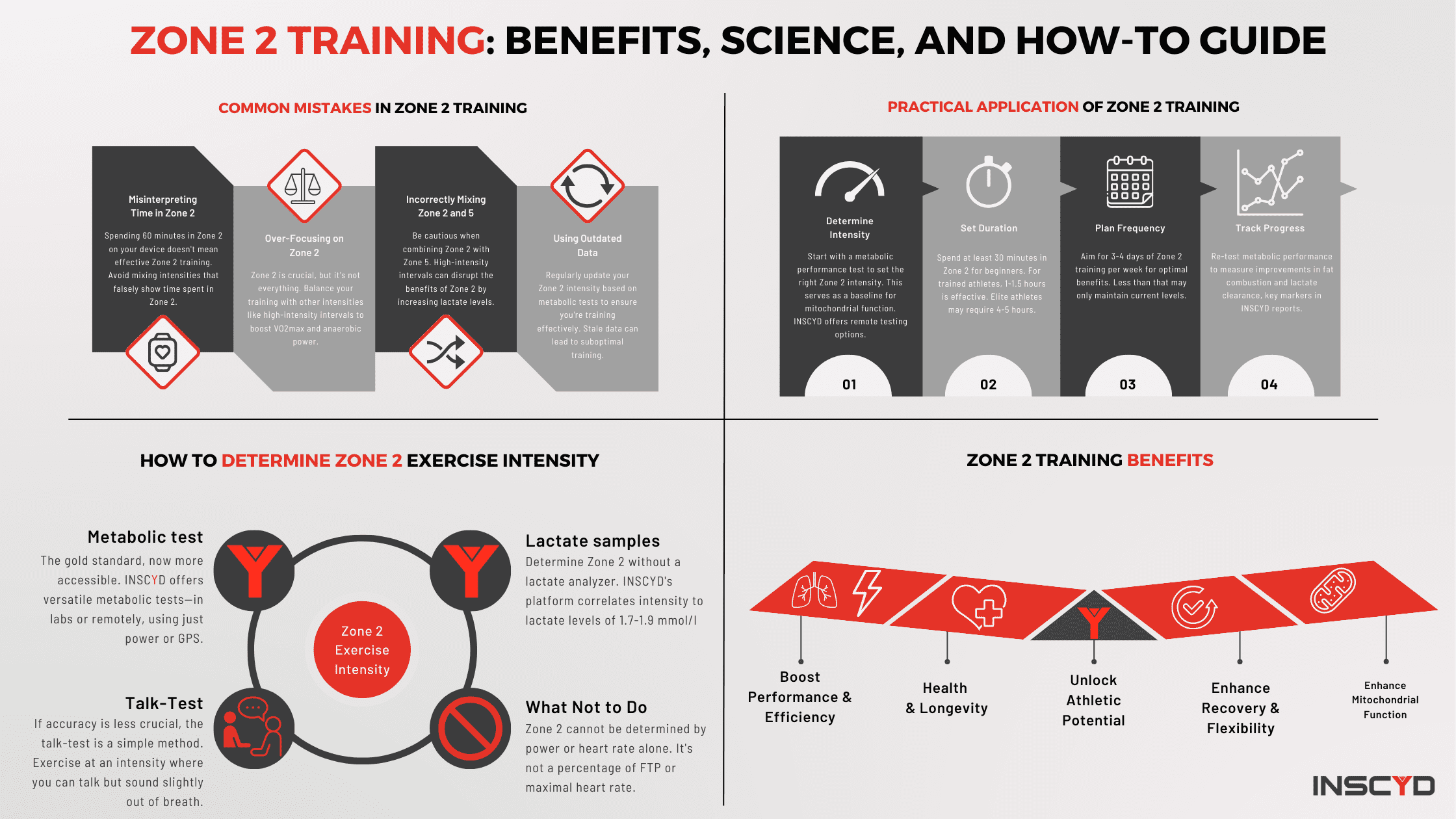
Maintaining a consistent Zone 2 heart rate is crucial for reaping the full benefits of this training method. Unlike high-intensity workouts, which can be physically demanding and require significant recovery time, Zone 2 sessions allow for regular, sustained effort without overtaxing your body. This consistency helps build a strong aerobic base, which is essential for any athlete, whether you're training for a marathon or simply aiming to improve your general fitness.
Consistency also plays a role in preventing overtraining and reducing the risk of injury. By keeping your heart rate within the Zone 2 range, you avoid the stress and strain associated with higher-intensity workouts, making it easier to maintain a long-term fitness routine.
Practical Tips for Maintaining Zone 2

Here are some actionable strategies to help you maintain a consistent Zone 2 heart rate:
-
Use a Heart Rate Monitor: A reliable heart rate monitor is the most accurate way to ensure you're staying within your target zone. Devices like the Apple Watch, Garmin, or Fitbit can track your heart rate in real-time, allowing you to adjust your pace accordingly.
-
Practice the "Talk Test": If you can carry on a conversation without gasping for breath, you're likely in Zone 2. This simple test can help you gauge your effort level, especially when you don't have access to a heart rate monitor.
-
Choose the Right Activity: Any form of aerobic exercise can be done in Zone 2, including walking, cycling, swimming, or rowing. The key is to maintain a steady pace that feels comfortable and sustainable.
-
Start Slow and Build Up: If you're new to Zone 2 training, begin with shorter sessions and gradually increase the duration. Aim for 30 minutes initially, then add 5-10 minutes each week as your fitness improves.
-
Mix It Up: Incorporating different activities into your routine can keep your workouts engaging and reduce the risk of repetitive strain injuries. Try alternating between running, cycling, and swimming to keep your body challenged and your mind interested.
Common Mistakes to Avoid

While Zone 2 training is relatively straightforward, there are a few common mistakes that can hinder your progress:
-
Going Too Fast: One of the biggest pitfalls is pushing yourself too hard, which can inadvertently move you into higher heart rate zones. Always check your heart rate to ensure you're staying within the 60-70% range.
-
Neglecting Recovery: Even though Zone 2 is low-intensity, it's still important to listen to your body and allow for adequate recovery. Overtraining can lead to burnout and diminish the effectiveness of your workouts.
-
Focusing Only on Heart Rate: While heart rate is a valuable tool, it shouldn't be the only metric you use. Pay attention to how your body feels and adjust your efforts accordingly.
-
Skipping Consistency: Building a strong aerobic base requires regular, consistent effort. Skipping workouts or varying your intensity too much can slow down your progress.
Real-Life Applications and Success Stories

Many athletes and fitness enthusiasts have found success by incorporating Zone 2 training into their routines. For example, elite runners often spend 80% of their weekly mileage in Zone 2, allowing them to build endurance without the risk of overtraining. Similarly, individuals looking to improve their cardiovascular health or lose weight have reported significant improvements by focusing on moderate-intensity exercise.
One runner shared how switching to Zone 2 training helped her avoid injuries and improve her race times. "I used to push myself too hard during every workout, but once I started focusing on maintaining a steady heart rate, I noticed a big difference in my stamina and recovery," she said.
Conclusion
Maintaining a consistent Zone 2 heart rate is a powerful strategy for improving your fitness, building endurance, and enhancing your overall well-being. By understanding the science behind this training method, using the right tools, and staying committed to a consistent routine, you can unlock a range of benefits that extend far beyond the gym.
Whether you're an experienced athlete or just starting out, Zone 2 training offers a sustainable path to long-term fitness success. Remember, the key to achieving your goals lies in consistency, proper intensity control, and listening to your body. With dedication and the right approach, you can make Zone 2 training a cornerstone of your fitness journey.
Post a Comment for "How to Maintain a Consistent Zone 2 Heart Rate for Optimal Fitness"
Post a Comment