How to Exercise During Each Phase of Your Menstrual Cycle
If you're someone who's ever felt the weight of your period dragging down your energy, you're not alone. The menstrual cycle is more than just a week of bleeding—it's a complex process that affects your body and mind in various ways. Understanding how to adjust your exercise routine based on the phase you're in can make all the difference in how you feel throughout the month. Whether you're dealing with cramps, fatigue, or mood swings, there's a way to stay active and even feel better.
This article will guide you through each phase of the menstrual cycle and provide practical tips on how to tailor your workouts for optimal results. By aligning your fitness routine with your body’s natural rhythms, you can boost your energy, reduce discomfort, and maintain a consistent exercise habit.
Understanding the Menstrual Cycle Phases
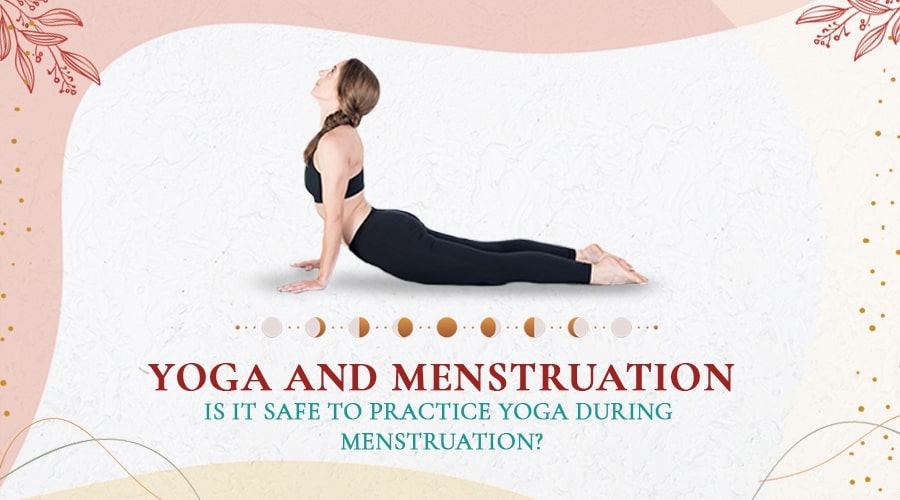
Before diving into specific exercises, it's important to understand the four main phases of the menstrual cycle:
- Menstruation – This is when you experience bleeding as your body sheds the lining of the uterus.
- Follicular Phase – Begins on day one of your period and ends with ovulation. During this time, estrogen levels rise, and your body prepares for potential pregnancy.
- Ovulation – A brief window where an egg is released from the ovary, typically around day 14 of a 28-day cycle.
- Luteal Phase – The longest phase, starting after ovulation and ending just before your next period. Progesterone levels rise during this time.
Each phase comes with its own set of hormonal changes that can influence your energy levels, mood, and physical performance.
Exercise During Menstruation: Focus on Gentle Movement
During your period, your body is shedding the uterine lining, and hormone levels—especially estrogen and progesterone—are at their lowest. This often leads to fatigue, bloating, and cramping. While it might be tempting to skip your workout altogether, light exercise can actually help ease some of these symptoms.
Recommended Activities:
- Low-intensity cardio: Walking, gentle cycling, or swimming can improve blood flow and reduce cramps.
- Yoga or Pilates: These practices can help relieve tension and promote relaxation.
- Light strength training: Use lighter weights or bodyweight exercises to keep your muscles active without overexertion.
Tip: Listen to your body. If you’re feeling particularly drained, consider taking a rest day or doing a short, calming session instead of pushing yourself too hard.
Exercise During the Follicular Phase: Boost Your Energy

The follicular phase begins on the first day of your period and continues until ovulation. As your estrogen levels rise, so does your energy. This is often considered the best time to tackle more intense workouts.
Recommended Activities:
- HIIT (High-Intensity Interval Training): Short bursts of high-energy exercise can be very effective during this phase.
- Strength training: Lifting heavier weights can take advantage of your increased stamina and muscle recovery.
- Cardio activities: Running, dancing, or boxing are great options if you're feeling up to it.
Tip: Use this phase to push yourself a bit harder. Your body is primed for performance, so don't be afraid to challenge yourself.
Exercise During Ovulation: Maintain Momentum
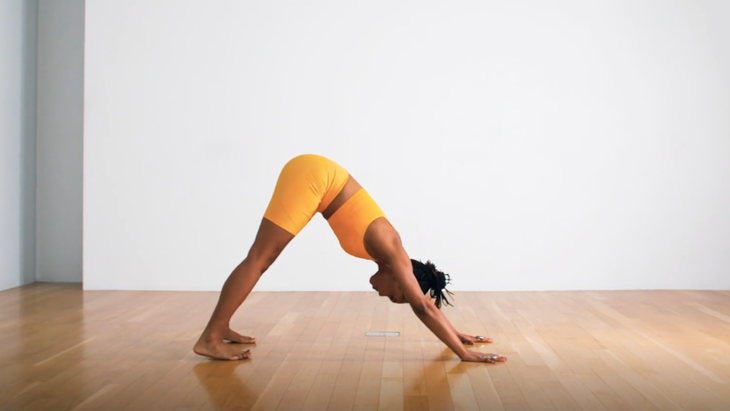
Ovulation occurs around the middle of your cycle, and your energy levels are still relatively high due to elevated estrogen. This is a good time to continue with your regular workout routine, but you may want to adjust based on how you feel.
Recommended Activities:
- Continued HIIT or strength training: If you’re feeling strong, you can keep up with your usual routine.
- Cardio activities: Running, rowing, or kickboxing can be beneficial if you’re experiencing mild discomfort.
- Adjust based on symptoms: If you have painful bloating or cramping, consider switching to lower-impact exercises like yoga or swimming.
Tip: Pay attention to any signs of discomfort. If you feel unwell, it’s okay to modify your workout or take a break.
Exercise During the Luteal Phase: Prioritize Recovery
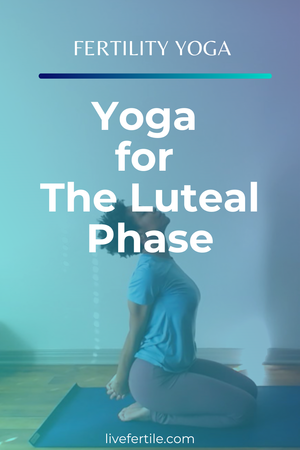
The luteal phase is the longest part of your cycle, lasting about two weeks. As progesterone levels rise, many women experience fatigue, irritability, and bloating. This is a time to focus on recovery and maintaining consistency without overexertion.
Recommended Activities:
- Yoga or Pilates: These are excellent for relaxation and flexibility.
- Swimming: A low-impact activity that can help ease muscle soreness and improve circulation.
- Gentle walking: A simple way to stay active without putting stress on your body.
Tip: Avoid pushing yourself too hard. This is a time to listen to your body and prioritize rest and recovery.
Creating a Personalized Workout Plan

While it’s helpful to understand the general guidelines for each phase, every woman’s body is different. Emi Gutgold, a certified personal trainer, emphasizes the importance of listening to your body. “If you feel strong enough to get through a tough workout, don’t cop out just because a cycle tracking app says otherwise,” she says. “Focus on recovery, and remember that your body knows what it needs.”
Here are a few additional tips to help you create a personalized plan:
- Track your cycle: Use a cycle tracking app to monitor your symptoms and energy levels.
- Stay flexible: Adjust your workouts based on how you feel each day.
- Prioritize rest: Recovery is just as important as exercise, especially during the luteal phase.
Final Thoughts: Embrace Your Body’s Rhythms
Exercising during your menstrual cycle doesn’t have to be a chore. By understanding the unique needs of each phase, you can create a workout plan that supports your health and well-being. Whether you're lifting weights, running, or practicing yoga, the key is to stay in tune with your body and make adjustments as needed.
Remember, there’s no one-size-fits-all approach. What works for one person may not work for another. The goal is to find a balance that helps you feel your best, both physically and emotionally. With a little mindfulness and self-awareness, you can turn your menstrual cycle into a powerful tool for fitness and wellness.
So, next time you're feeling down or sluggish, consider how your body is responding to the phase you're in—and choose an activity that nurtures rather than strains you. Your journey to a healthier, stronger self starts with understanding and respecting your body’s natural rhythm.

Post a Comment for "How to Exercise During Each Phase of Your Menstrual Cycle"
Post a Comment