How to Enhance Cognitive Resilience: Proven Strategies for Mental Strength

In today’s fast-paced and unpredictable world, the ability to think clearly, adapt quickly, and maintain focus under pressure is more important than ever. While many people equate success with physical strength or sheer willpower, true resilience lies in cognitive resilience—the capacity of the mind to withstand stress, recover from setbacks, and continue functioning at a high level. Whether you're navigating a demanding job, managing personal challenges, or simply trying to stay sharp in an information-saturated environment, enhancing your cognitive resilience can make all the difference.
This article explores practical, science-backed strategies to help you build mental strength and improve your ability to handle life's challenges with clarity and confidence.
What Is Cognitive Resilience?

Cognitive resilience refers to the brain's ability to adapt, recover, and perform effectively in the face of stress, uncertainty, or adversity. It involves maintaining focus, regulating emotions, and making sound decisions even when things get tough. Unlike traditional notions of toughness, which often emphasize endurance through hardship, cognitive resilience emphasizes smart adaptation and emotional control.
Research shows that individuals with higher cognitive resilience are better equipped to manage stress, solve problems creatively, and maintain long-term mental well-being. This doesn’t mean they don’t experience stress—they do—but they have the tools to process it without becoming overwhelmed.
The Science Behind Cognitive Resilience
The brain is remarkably adaptable, a quality known as neuroplasticity. This means that with the right habits and practices, you can strengthen the neural pathways associated with resilience. Studies have shown that activities like mindfulness, regular exercise, and cognitive training can enhance brain function and improve emotional regulation.
One key area of the brain involved in cognitive resilience is the prefrontal cortex, responsible for decision-making, self-control, and attention. When this region is well-developed, it helps regulate the amygdala—the part of the brain that processes fear and stress. By strengthening the prefrontal cortex, you can reduce the impact of stress on your thinking and behavior.
5 Proven Strategies to Enhance Cognitive Resilience
Building cognitive resilience is not about avoiding stress but learning how to manage it effectively. Here are five evidence-based strategies to help you develop mental strength:
1. Practice Mindfulness and Meditation
Mindfulness is one of the most effective ways to build cognitive resilience. By focusing on the present moment and observing your thoughts without judgment, you can reduce stress, improve concentration, and enhance emotional regulation.
Studies have shown that regular meditation can increase gray matter density in the prefrontal cortex and hippocampus—areas of the brain linked to memory, attention, and emotional control. Even just 10 minutes of daily meditation can make a significant difference.
Tips for starting a mindfulness practice: - Begin with short sessions (5–10 minutes) and gradually increase the time. - Use guided meditations or apps like Headspace or Calm to help you stay focused. - Focus on your breath or a specific sensation to anchor your attention.
2. Engage in Regular Physical Activity
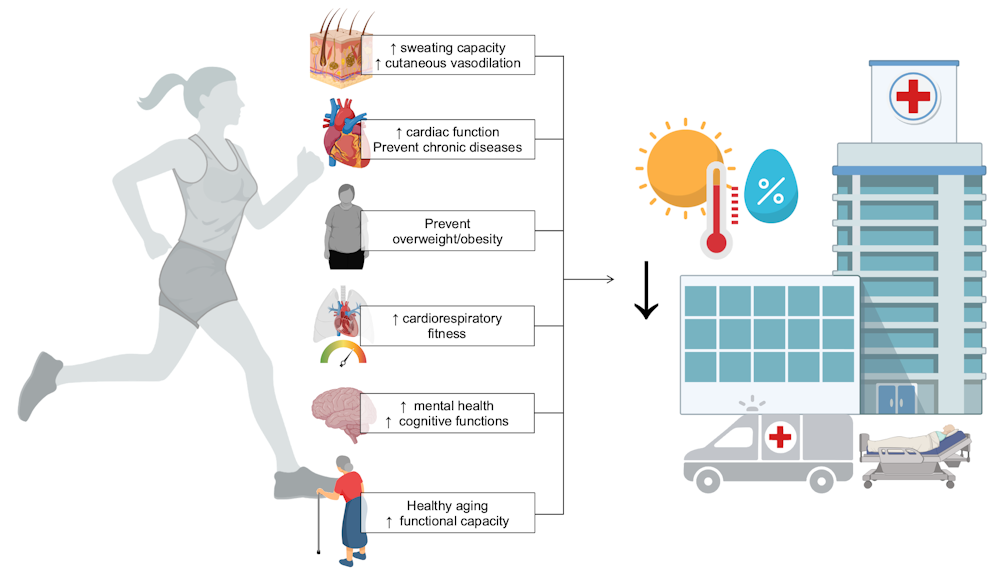
Exercise is not only good for your body—it's also a powerful tool for building cognitive resilience. Physical activity increases blood flow to the brain, promotes the growth of new neurons, and reduces inflammation, all of which support mental health.
Aerobic exercises like running, swimming, or cycling are particularly beneficial, as they stimulate the release of endorphins and other neurotransmitters that improve mood and cognitive function. Even simple activities like walking or yoga can help reduce stress and boost mental clarity.
Tips for incorporating movement into your routine: - Schedule short, frequent workouts rather than long, infrequent ones. - Choose activities you enjoy to increase consistency. - Combine exercise with mindfulness, such as a walking meditation.
3. Develop Healthy Sleep Habits

Sleep is essential for cognitive resilience. During sleep, the brain consolidates memories, clears out toxins, and regulates emotions. Poor sleep, on the other hand, can impair decision-making, increase irritability, and weaken your ability to cope with stress.
To improve your sleep: - Stick to a consistent sleep schedule, even on weekends. - Avoid screens and stimulating activities before bedtime. - Create a calming bedtime routine, such as reading or listening to soft music.
4. Cultivate a Growth Mindset

A growth mindset, as defined by psychologist Carol Dweck, is the belief that abilities and intelligence can be developed through effort and learning. People with a growth mindset are more resilient because they see challenges as opportunities to grow rather than threats to their self-worth.
To develop a growth mindset: - Embrace challenges instead of avoiding them. - View mistakes as feedback rather than failure. - Focus on progress rather than perfection.
5. Build Strong Social Connections

Social support is a critical component of cognitive resilience. Humans are wired for connection, and having a strong support network can help you navigate stress, gain perspective, and feel more emotionally grounded.
To strengthen your social connections: - Make time for meaningful conversations with friends and family. - Join groups or communities that align with your interests. - Practice active listening and empathy to deepen your relationships.
Real-Life Examples of Cognitive Resilience
Cognitive resilience isn't just a theoretical concept—it's something people use every day to overcome challenges. Consider the following examples:
- A student preparing for exams: Instead of panicking when faced with difficult material, the student breaks tasks into smaller steps, uses visualization techniques to stay focused, and seeks help when needed.
- A professional facing a major project deadline: Rather than working late into the night, the person prioritizes tasks, takes regular breaks, and maintains a positive outlook to stay productive.
- An individual dealing with personal loss: By practicing mindfulness, seeking support from loved ones, and focusing on small daily goals, the person gradually rebuilds their sense of purpose and resilience.
These examples show that cognitive resilience is not about being "strong" all the time—it's about having the tools and mindset to adapt and thrive in the face of adversity.
Conclusion
Enhancing cognitive resilience is a lifelong journey that requires intention, consistency, and self-awareness. By incorporating mindfulness, physical activity, healthy sleep, a growth mindset, and strong social connections into your daily life, you can build the mental strength needed to navigate life's challenges with confidence and clarity.
Remember, resilience is not about avoiding stress—it's about developing the skills to manage it effectively. With the right strategies, you can transform obstacles into opportunities for growth and create a more balanced, fulfilling life.

Post a Comment for "How to Enhance Cognitive Resilience: Proven Strategies for Mental Strength"
Post a Comment