How to Boost Your Digestive Health Microbiome for Better Wellness
When it comes to overall wellness, the digestive system often gets overlooked. Yet, the health of your gut microbiome is foundational to your well-being. The microbiome—comprising trillions of microorganisms in your intestines—plays a critical role in digestion, immunity, mental health, and even metabolism. Understanding how to boost your digestive health microbiome can be a game-changer for your long-term health. This article will explore practical, science-backed strategies to support a thriving gut ecosystem.
What Is the Gut Microbiome?
The gut microbiome is an intricate community of bacteria, fungi, viruses, and other microbes that reside in your digestive tract. These organisms are not just passive residents; they actively participate in essential bodily functions. For instance, they help break down complex carbohydrates, synthesize vitamins, regulate immune responses, and even communicate with the brain via the gut-brain axis.
A healthy microbiome is characterized by diversity—having a wide variety of microbial species. This diversity ensures that different functions are supported, from nutrient absorption to immune system regulation. When this balance is disrupted, it can lead to a range of health issues, including digestive disorders, weakened immunity, and even mood imbalances.
Why the Gut Microbiome Matters
The gut microbiome is more than just a digestive aid—it’s a central player in your overall health. Here are some key reasons why it matters:
- Digestive Health: Beneficial bacteria help break down food, produce short-chain fatty acids (SCFAs), and maintain the integrity of the gut lining.
- Immune Function: About 70% of the body’s immune cells are located in the gut. A balanced microbiome helps train the immune system to distinguish between harmful and harmless substances.
- Mental Health: The gut-brain axis allows communication between the gut and the brain. Research shows that gut bacteria influence neurotransmitter production, which affects mood and cognitive function.
- Metabolism and Weight Management: Certain bacterial strains can impact how the body processes food, stores fat, and regulates blood sugar levels.
Maintaining a healthy microbiome is therefore essential for preventing chronic diseases and supporting optimal health.
Practical Strategies to Boost Your Microbiome
Improving your gut microbiome doesn’t require drastic changes—it starts with small, consistent habits. Here are some effective strategies:
1. Eat a Fiber-Rich Diet
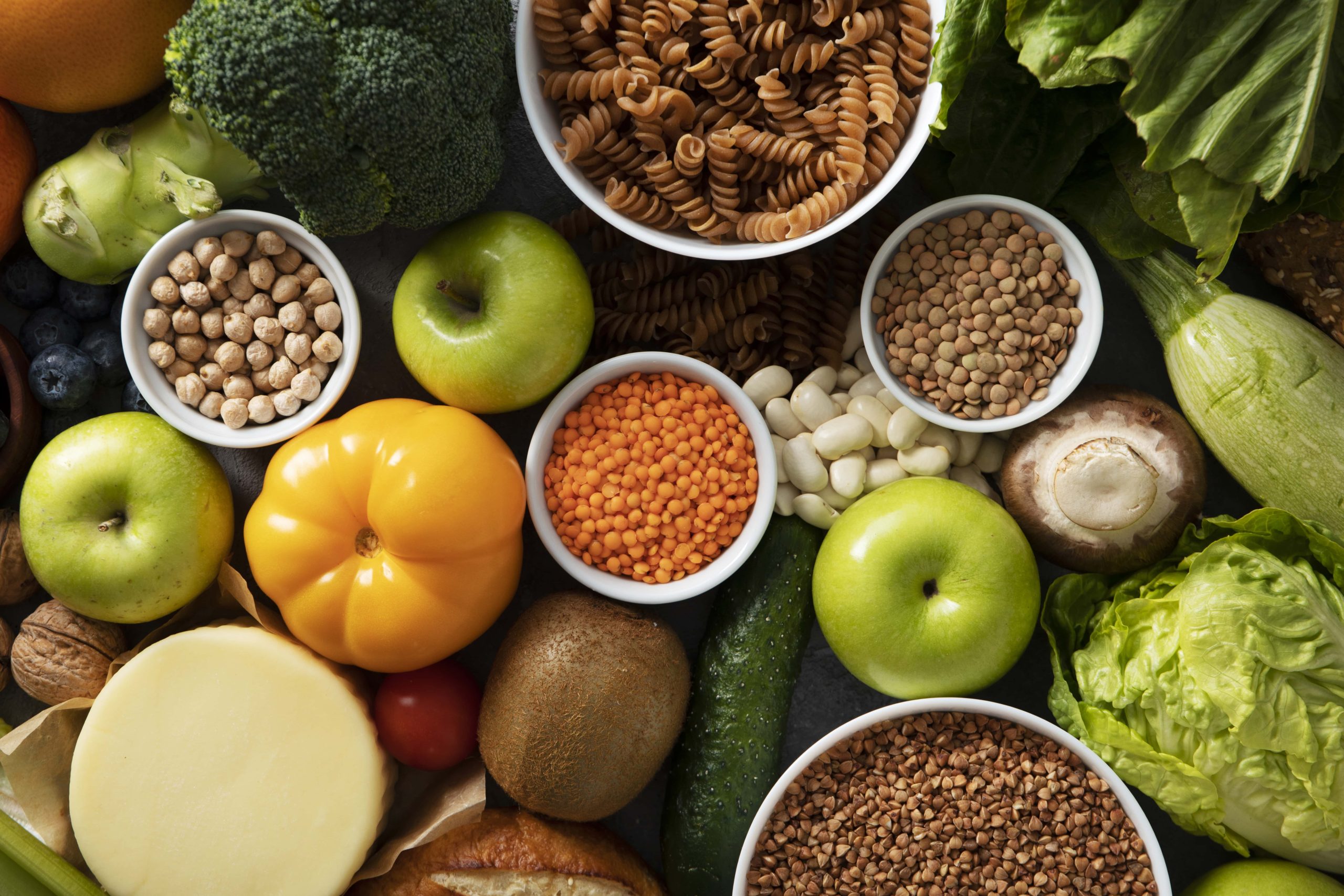
Fiber is the fuel for beneficial gut bacteria. Consuming a variety of high-fiber foods like fruits, vegetables, legumes, and whole grains supports the growth of diverse microbial populations. Aim for at least 25–30 grams of fiber daily. Sources include:
- Fruits: Apples, berries, bananas
- Vegetables: Broccoli, carrots, leafy greens
- Whole Grains: Oats, quinoa, brown rice
- Legumes: Lentils, chickpeas, black beans
2. Incorporate Probiotics and Fermented Foods
Probiotics are live bacteria that promote a healthy gut environment. They can be found in fermented foods such as yogurt, kefir, sauerkraut, kimchi, and miso. These foods introduce beneficial microbes into your gut, helping to restore balance.
If you prefer supplements, look for products containing strains like Lactobacillus and Bifidobacterium. Always choose high-quality options and consult a healthcare provider if you have specific concerns.
3. Consume Polyphenol-Rich Foods
Polyphenols are plant compounds that act as prebiotics, feeding the good bacteria in your gut. They’re found in colorful fruits and vegetables, dark chocolate, green tea, and olive oil. Regular consumption of these foods enhances microbial diversity and reduces inflammation.
4. Limit Processed Foods and Added Sugars
Processed foods and added sugars can disrupt the gut microbiome by promoting the growth of harmful bacteria. Try to minimize your intake of sugary snacks, sodas, and refined grains. Instead, focus on whole, unprocessed foods.
5. Stay Hydrated
Water is essential for maintaining a healthy gut. It helps move food through the digestive system and supports the mucosal lining of the intestines. Aim for at least 8 glasses of water per day, and consider herbal teas for additional benefits.
6. Get Enough Sleep
Sleep plays a crucial role in gut health. Poor sleep can alter the composition of your microbiome, leading to imbalances. Aim for 7–9 hours of quality sleep each night. Establish a bedtime routine to improve sleep hygiene.
7. Manage Stress
Chronic stress can negatively impact the gut microbiome. Techniques like meditation, deep breathing, and yoga can help reduce stress and support gut health. Prioritize self-care and find activities that bring you peace.
8. Exercise Regularly
Physical activity promotes a diverse and healthy microbiome. Exercise increases the production of SCFAs and improves gut motility. Aim for at least 30 minutes of moderate exercise most days of the week.
9. Avoid Overuse of Antibiotics
While antibiotics are sometimes necessary, they can disrupt the gut microbiome by killing both harmful and beneficial bacteria. Only use them when prescribed by a healthcare provider, and consider taking probiotics afterward to restore balance.
10. Consider Prebiotic Supplements
Prebiotics are non-digestible fibers that feed beneficial gut bacteria. While many foods contain prebiotics, supplements can offer a concentrated dose. Common prebiotics include inulin, fructooligosaccharides (FOS), and galactooligosaccharides (GOS). Consult a healthcare professional before starting any new supplement regimen.
Final Thoughts
Boosting your digestive health microbiome is a powerful way to enhance your overall wellness. By making mindful choices about your diet, lifestyle, and stress management, you can support a thriving gut ecosystem. Remember, the journey to a healthier gut is ongoing, and small, consistent changes can lead to significant improvements over time.
Your gut is more than just a digestive organ—it's a vital part of your body's ecosystem. By nurturing it, you're investing in your long-term health and vitality. Start today, and take the first step toward a stronger, healthier you.

Post a Comment for "How to Boost Your Digestive Health Microbiome for Better Wellness"
Post a Comment