How to Boost Gut Diversity with the Right Foods
Your gut is more than just a digestive organ—it's a complex ecosystem that plays a crucial role in your overall health. The microbes living in your intestines, collectively known as the gut microbiome, influence everything from digestion and immunity to mood and weight management. But here's the good news: you have the power to shape this microbial community through your diet. By making smart food choices, you can boost gut diversity, which is essential for long-term wellness.
In this article, we’ll explore how to enhance your gut microbiome through nutrition, backed by science and practical advice. Whether you're looking to improve digestion, strengthen your immune system, or even support mental clarity, the right foods can make a world of difference.
Understanding Gut Diversity
The term "gut diversity" refers to the variety of different microorganisms—bacteria, fungi, viruses, and more—that live in your digestive tract. A diverse gut microbiome is associated with better health outcomes, including reduced risks of obesity, diabetes, autoimmune diseases, and even mental health conditions like depression and anxiety.
Research shows that people who consume a wide range of plant-based foods tend to have more diverse microbiomes. This is because different plants provide various types of fiber, which act as fuel for different bacterial species. The more varied your diet, the more diverse your gut bacteria can become.
1. Eat From Root to Tip
One of the simplest ways to boost gut diversity is to eat the entire plant, not just the parts we typically enjoy. Think of it as a "no-waste" approach to eating. For example:
- Asparagus: Don’t just eat the tender tips; include the stalks as well.
- Broccoli: Consume both the florets and the stems.
- Leeks: Eat the green tops along with the white bulb.
These often-overlooked parts are rich in fiber, which feeds beneficial gut bacteria. The harder-to-digest components of plants are especially valuable because they encourage the growth of specific microbes that produce short-chain fatty acids (SCFAs), which reduce inflammation and support gut health.
Pro Tip: Try incorporating more root vegetables like carrots, beets, and parsnips into your meals. They’re packed with fiber and nutrients that help maintain a balanced gut microbiome.
2. Sample the Rainbow
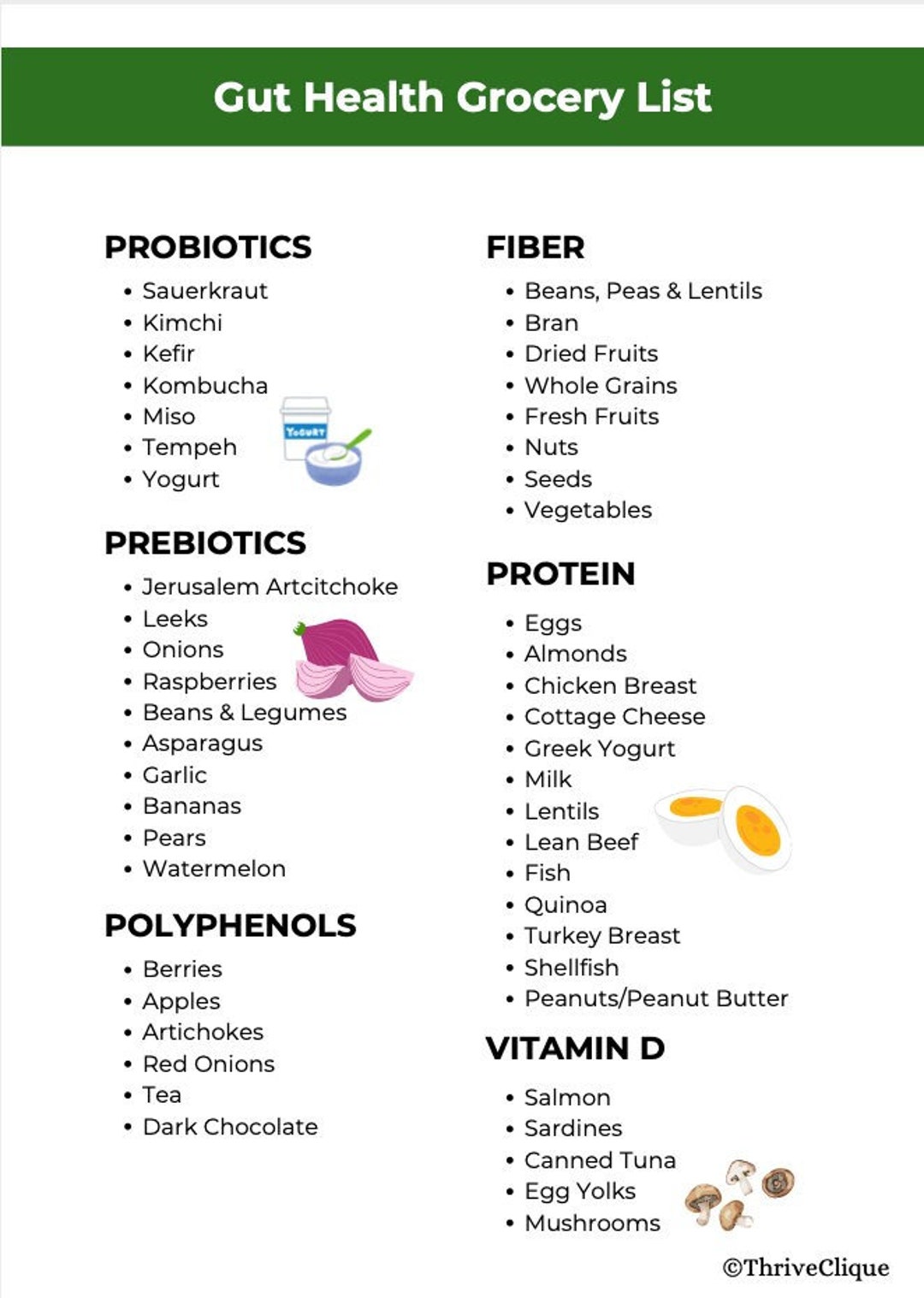
Colorful foods aren't just visually appealing—they're also powerful allies for gut health. Fruits and vegetables come in a spectrum of colors, each offering unique phytochemicals and antioxidants that act as prebiotics, feeding the good bacteria in your gut.
- Blueberries contain pterostilbene and quercetin.
- Pomegranates are rich in ellagic acid.
- Acai berries offer anthocyanins.
- Carrots provide beta-carotene.
- Green tea contains epicatechin and tannic acid.
These compounds don’t just support your body—they also nourish your gut microbes. A 2018 study found that people who ate more than 30 different plant species per week had significantly more diverse gut microbiomes than those who ate fewer than 10.
Pro Tip: Aim to include at least five different colors of fruits and vegetables in your daily meals. This ensures a broad range of nutrients and microbial support.
3. Honor Your Ancestry

While modern diets have evolved, our bodies still thrive on the foods that have been part of our ancestral diets for generations. Traditional diets often emphasize whole, unprocessed foods and fermented products that naturally support gut health.
For instance, the Mediterranean diet, which includes plenty of olive oil, legumes, and fermented dairy, has been linked to higher gut diversity. Similarly, traditional Asian diets feature fermented foods like kimchi and miso, which are rich in probiotics.
A 2018 study showed that immigrants who adopted Western diets experienced a decline in gut diversity and an increase in obesity rates. This highlights the importance of sticking to dietary patterns that align with your cultural heritage.
Pro Tip: If you're unsure about what traditional foods suit your ancestry, research the diets of your grandparents or ancestors. You might find that simple, whole-food recipes are the best way to support your gut.
4. Incorporate Fermented Foods

Fermented foods are a powerhouse when it comes to gut health. They contain live cultures of beneficial bacteria, known as probiotics, which can help restore balance to your microbiome.
Some of the best fermented foods include:
- Yogurt (with live cultures)
- Kefir
- Sauerkraut
- Kimchi
- Miso
- Kombucha
These foods not only add flavor but also introduce new strains of bacteria that can enhance your gut’s microbial diversity.
Pro Tip: Start small. Add a spoonful of sauerkraut to your salad or try drinking a glass of kefir in the morning. Over time, your gut will adapt and benefit from these beneficial microbes.
5. Prioritize Fiber-Rich Foods

Fiber is one of the most important nutrients for gut health. It acts as a prebiotic, feeding the good bacteria in your gut and promoting their growth. There are two main types of fiber:
- Soluble fiber: Found in foods like apples, oats, and beans. It dissolves in water and helps regulate blood sugar and cholesterol.
- Insoluble fiber: Found in whole grains, nuts, and vegetables. It adds bulk to stool and helps prevent constipation.
Aim to get at least 25–30 grams of fiber per day from a mix of soluble and insoluble sources. This will not only support your gut but also improve digestion, heart health, and even weight management.
Pro Tip: Gradually increase your fiber intake to avoid bloating or discomfort. Pair high-fiber foods with plenty of water to aid digestion.
Conclusion
Boosting gut diversity isn’t just about adding a few superfoods to your plate—it’s about making consistent, mindful choices that support the complex ecosystem inside your body. By eating a variety of colorful, whole foods, incorporating fermented options, and prioritizing fiber, you can create a thriving gut environment that supports your overall health.
Remember, your gut is a reflection of your lifestyle. The more you nourish it with the right foods, the more resilient and vibrant your body will become. Start small, stay consistent, and watch as your gut—and your health—transform over time.

Post a Comment for "How to Boost Gut Diversity with the Right Foods"
Post a Comment