How to Boost Gut Bacteria Naturally for Better Health
Your gut is more than just a digestive organ—it's a complex ecosystem that plays a crucial role in your overall health. The trillions of microorganisms living in your intestines, collectively known as the gut microbiome, influence everything from digestion and immunity to mental health and weight management. While modern lifestyles and diets can disrupt this delicate balance, there are natural ways to boost your gut bacteria and restore harmony to your gut. In this article, we’ll explore practical, science-backed strategies to enhance your gut health without relying on supplements or extreme diets.
Understanding the Importance of Gut Bacteria

The gut microbiome consists of a diverse community of bacteria, fungi, viruses, and other microbes that work together to support your body’s functions. A healthy gut microbiome is essential for:
- Digesting food and absorbing nutrients
- Supporting immune function
- Producing vitamins like B and K
- Regulating inflammation
- Maintaining mental well-being through the gut-brain axis
When the balance of these microbes is disrupted—due to factors like poor diet, stress, or antibiotic use—it can lead to issues like bloating, constipation, and even chronic conditions such as irritable bowel syndrome (IBS) or inflammatory bowel disease (IBD). Fortunately, you can naturally support your gut bacteria with simple lifestyle changes.
1. Prioritize Fiber-Rich Foods
Fiber is one of the most powerful tools for nurturing a healthy gut. It acts as a prebiotic, feeding the beneficial bacteria in your gut and promoting their growth. Aim to include a variety of fiber-rich foods in your daily meals, such as:
- Whole grains: Oats, quinoa, brown rice
- Legumes: Lentils, chickpeas, black beans
- Fruits and vegetables: Apples, berries, broccoli, carrots
- Nuts and seeds: Chia seeds, flaxseeds, almonds
Aim for at least 25–30 grams of fiber per day. Studies show that a high-fiber diet increases microbial diversity, which is key to a resilient gut microbiome.
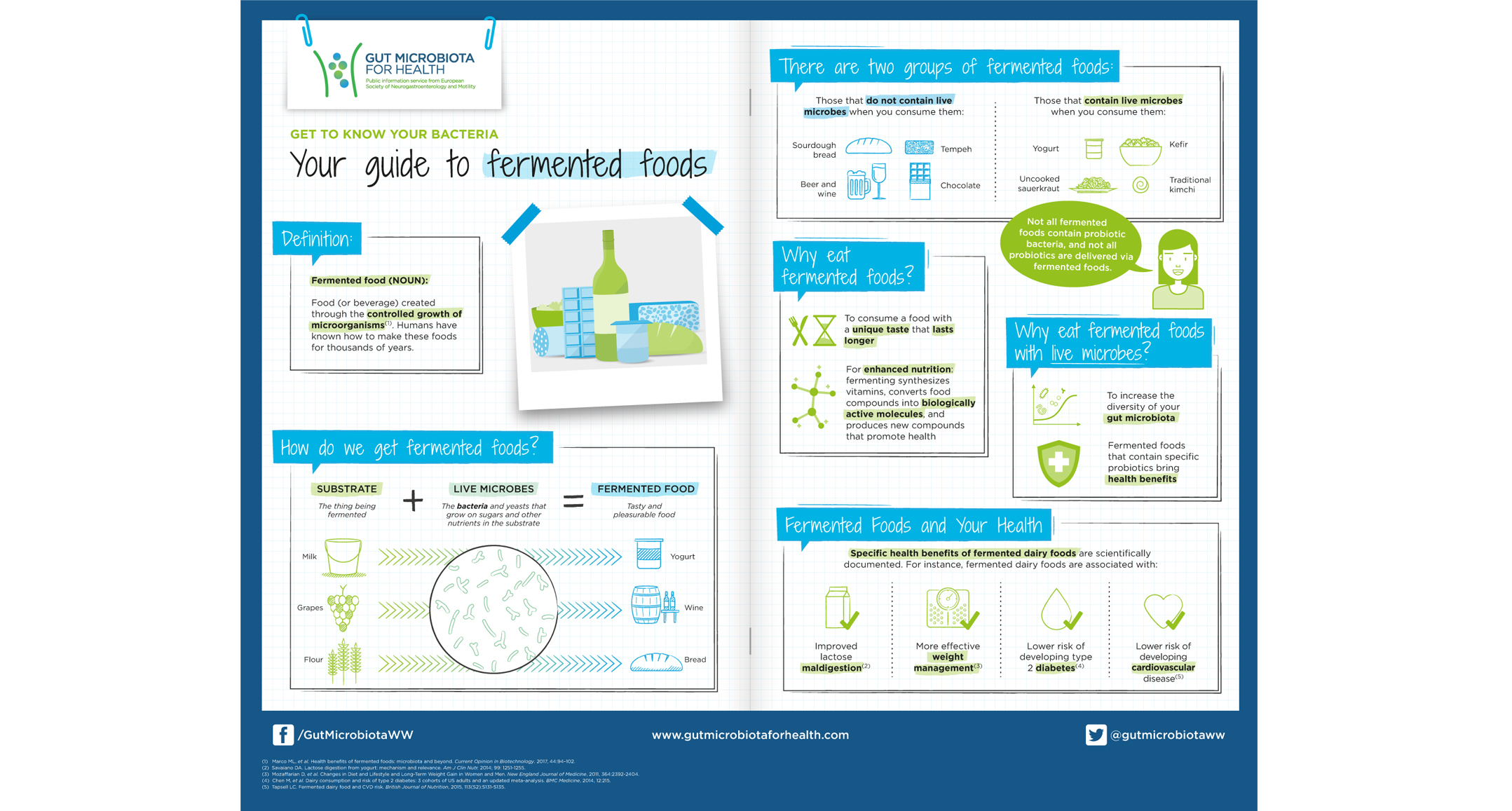
2. Incorporate Fermented Foods
Fermented foods are rich in probiotics—live bacteria that can help restore and maintain a balanced gut microbiome. These foods not only add beneficial microbes to your gut but also support digestion and immune function. Some of the best options include:
- Yogurt (with live cultures)
- Kefir
- Sauerkraut
- Kimchi
- Miso
- Kombucha
Start by adding small amounts of fermented foods to your meals. For example, try a spoonful of sauerkraut with lunch or a glass of kefir with breakfast. Over time, your gut will adapt and thrive.
3. Eat Polyphenol-Rich Foods

Polyphenols are plant compounds that act as antioxidants and support the growth of good bacteria in your gut. They’re found in many colorful fruits and vegetables, as well as in beverages like green tea and red wine. Some top sources include:
- Berries: Blueberries, raspberries, strawberries
- Dark chocolate (70% cocoa or higher)
- Green tea
- Red wine
- Cocoa powder
- Pomegranates
These compounds are not fully absorbed by your body, so they reach your colon where they nourish the beneficial bacteria. This helps improve gut diversity and reduce inflammation.
4. Stay Hydrated
Water is essential for maintaining a healthy gut environment. Dehydration can lead to constipation and an imbalance in gut bacteria. Aim to drink at least 8 glasses of water per day, and consider adding herbal teas or infused water for extra flavor.
In addition to drinking water, eat hydrating foods like cucumbers, watermelon, and leafy greens. These foods provide both moisture and nutrients that support gut health.
5. Reduce Processed and Sugary Foods

Processed foods, especially those high in added sugars, can wreak havoc on your gut microbiome. These foods feed harmful bacteria and promote inflammation, leading to an imbalanced gut. To protect your gut, limit:
- Sugary snacks and drinks
- White bread and refined grains
- Fast food and fried foods
- Artificial sweeteners
Instead, opt for whole, unprocessed foods that support a healthy gut. For example, swap sugary cereals for oatmeal topped with fresh fruit and nuts.
6. Manage Stress
Stress has a direct impact on your gut health. Chronic stress can alter the composition of your gut microbiome, leading to increased inflammation and digestive issues. To reduce stress and support your gut, try:
- Mindfulness practices like meditation or deep breathing
- Regular physical activity, such as walking or yoga
- Adequate sleep (7–9 hours per night)
- Connecting with loved ones for emotional support
Studies have shown that reducing stress can improve gut function and increase the presence of beneficial bacteria.
7. Get Regular Exercise

Physical activity is another powerful tool for boosting gut health. Exercise promotes the growth of beneficial bacteria and reduces inflammation. Aim for at least 150 minutes of moderate-intensity exercise per week, such as:
- Walking
- Swimming
- Cycling
- Strength training
Even short bouts of activity, like a 10-minute walk after meals, can positively impact your gut microbiome.
8. Consider Probiotic Supplements
If you're struggling to get enough probiotics through food alone, consider a high-quality probiotic supplement. Look for products that contain strains like Lactobacillus and Bifidobacterium, which are known for their gut-supporting properties.
However, it’s important to choose a reputable brand and consult with a healthcare provider before starting any new supplement regimen. Not all probiotics are created equal, and some may not survive the journey to your gut.
9. Avoid Antibiotics When Possible

While antibiotics are sometimes necessary, they can significantly disrupt your gut microbiome by killing both harmful and beneficial bacteria. If you’re prescribed antibiotics, ask your doctor about ways to support your gut during and after treatment. This may include taking probiotics or eating gut-friendly foods.
Always follow your doctor’s instructions when using antibiotics, and avoid overuse unless absolutely necessary.
10. Embrace a Diverse Diet
Eating a wide variety of foods is one of the best ways to support a diverse gut microbiome. Different plants and foods feed different types of bacteria, so the more variety you have in your diet, the healthier your gut becomes.
Try incorporating new ingredients into your meals, such as:
- Exotic vegetables like kohlrabi or jicama
- Herbs and spices like turmeric or ginger
- Local and seasonal produce
This not only benefits your gut but also adds flavor and nutrition to your meals.
Conclusion
Boosting your gut bacteria naturally is a powerful way to improve your overall health and well-being. By making simple, sustainable changes to your diet and lifestyle, you can support a thriving gut microbiome that enhances digestion, immunity, and even mental clarity. Remember, your gut is a reflection of your habits, so take care of it with intention and consistency.
Post a Comment for "How to Boost Gut Bacteria Naturally for Better Health"
Post a Comment