How to Balance Blood Sugar for Better Focus and Mental Clarity
Have you ever noticed how your focus wavers after eating certain foods, or how you feel mentally sluggish when you haven’t eaten in a while? The connection between your brain and blood sugar levels is stronger than you might think. Glucose, often referred to as blood sugar, is the primary source of energy for your brain. However, maintaining the right balance is crucial. When glucose and insulin levels fluctuate too much, it can lead to poor concentration, brain fog, and even mood swings. In this article, we’ll dive into the science behind how blood glucose and insulin levels impact your ability to focus and stay mentally sharp, and provide practical tips for maintaining that balance to optimize your mental performance.

The Brain’s Need for Glucose

Glucose: The Primary Fuel for Your Brain
Your brain is a highly active organ, constantly demanding energy to power everything from basic cognitive functions to complex problem-solving. Unlike muscles, which can use fat as a fuel source during periods of rest or low activity, your brain relies almost exclusively on glucose to function. In fact, it uses about 20% of the body’s energy despite representing only 2% of your body weight. This energy is essential for the brain’s neurons to communicate, process information, and support memory and learning.
When your blood glucose levels are within a healthy range, your brain operates efficiently—allowing you to stay focused, think clearly, and remain productive. But when glucose levels deviate from this optimal range—whether spiking too high or dropping too low—it can disrupt these processes. Too little glucose can leave your brain starved for energy, resulting in symptoms like brain fog, confusion, and difficulty concentrating. On the other hand, a sudden rush of glucose might give you a brief burst of energy, but it’s often followed by a crash that leaves you feeling sluggish and mentally drained.
It’s this delicate balance that underpins your ability to stay focused and maintain mental clarity throughout the day. Understanding how your brain uses glucose and how fluctuations in your blood sugar levels affect cognitive function is key to managing and improving your focus in both the short and long term.
The Role of Insulin in Regulating Blood Glucose

Insulin: The Hormone That Keeps Blood Sugar in Check
Insulin is a key hormone in the body’s energy regulation system, produced by the pancreas in response to rising blood glucose levels—typically after a meal. Its primary role is to help cells throughout the body, including brain cells, absorb glucose from the bloodstream and convert it into energy. Without insulin, glucose remains in the blood, leading to elevated blood sugar levels and depriving cells of the energy they need to function.
If a person hypothetically didn’t produce insulin, as in the case of type 1 diabetes, their body wouldn’t be able to effectively use glucose for energy. The glucose would remain in the bloodstream, leading to elevated blood sugar levels, while the cells would starve for energy. In this case, the body would begin breaking down fat and muscle for energy, leading to weight loss and the production of ketones, which can cause diabetic ketoacidosis, a dangerous condition.
In the brain, insulin plays a crucial role in regulating not only energy availability but also cognitive functions such as memory and learning. When insulin effectively manages blood glucose levels, your brain receives a steady supply of energy, which promotes mental clarity, focus, and overall cognitive performance. However, when insulin regulation falters, problems arise.
When you consume foods high in sugar or refined carbohydrates, your blood glucose levels can spike rapidly. In response, your pancreas secretes a large amount of insulin to bring those glucose levels down. If this happens frequently, it can lead to a condition known as insulin resistance, where cells become less responsive to insulin’s signals. As a result, glucose remains in the bloodstream, and your body struggles to regulate energy distribution. This not only affects physical health but also has a direct impact on cognitive function, often leading to brain fog, poor concentration, and even long-term memory issues.
For optimal mental performance, insulin needs to efficiently regulate blood sugar without causing dramatic highs and lows. Consistently high levels of insulin can lead to rapid drops in blood glucose, which can leave you feeling lethargic, irritable, and unable to focus. Conversely, when insulin works properly, it helps maintain a stable supply of glucose to the brain, supporting consistent focus and mental sharpness.
Blood Glucose Peaks and Crashes: Impact on Focus
What Happens When Blood Sugar Levels Spike
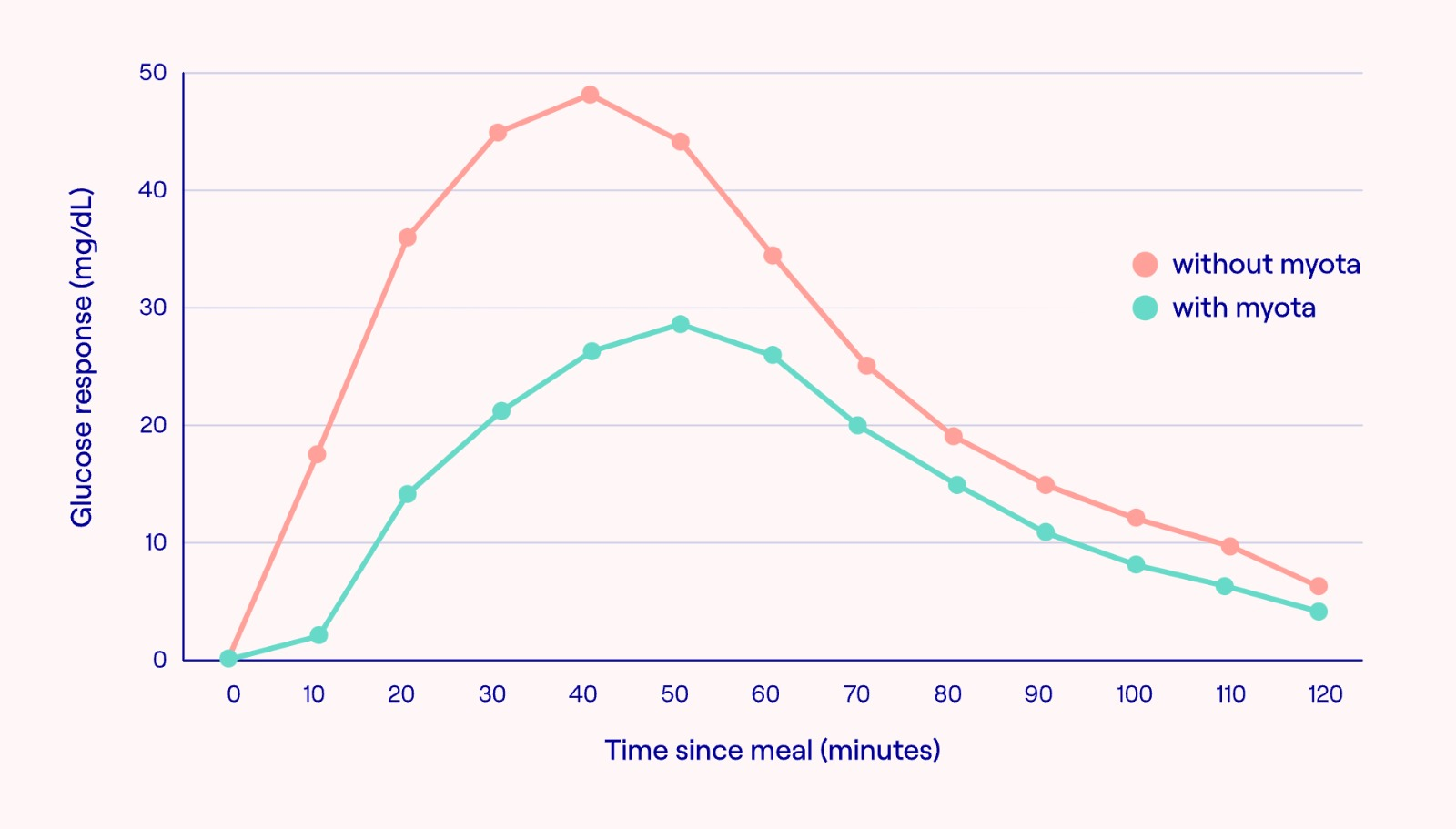
When you consume foods high in sugar or refined carbohydrates, such as sugary snacks, sodas, or white bread, your blood sugar levels can rise quickly. This surge in glucose initially provides a burst of energy, as your brain rapidly absorbs the excess sugar. For a brief moment, you may feel more alert and mentally sharp, as the increased energy fuels your brain’s activity. However, this feeling is often short-lived.
The spike in blood sugar triggers your pancreas to release a large amount of insulin to remove the excess glucose from your bloodstream. While this helps lower blood sugar levels, it can often lead to an overcorrection, where your blood sugar drops too rapidly—sometimes to levels below normal. This drop is commonly known as a blood sugar crash, which can lead to postprandial somnolence, also known as “food coma.”
During a blood sugar crash, your brain, which relies on a steady stream of glucose for energy, suddenly finds itself starved of fuel. As a result, you may experience a range of symptoms, including brain fog, difficulty concentrating, irritability, and fatigue. The rapid fluctuation from high to low blood sugar can also cause mood swings, making it hard to stay focused and mentally stable throughout the day.
Insulin Resistance and Cognitive Function

Chronic High Insulin Levels: A Threat to Your Brain
Insulin resistance occurs when your body’s cells become less responsive to the insulin hormone, forcing your pancreas to produce even more insulin to manage blood glucose levels. This condition, often associated with type 2 diabetes and obesity, doesn’t just affect your physical health—it also has significant implications for your cognitive function.
When insulin resistance develops, the brain’s ability to efficiently use glucose as a fuel source begins to deteriorate. This can have a direct impact on cognitive abilities, leading to symptoms like brain fog, poor memory, and difficulty concentrating. Research has shown that individuals with insulin resistance are at higher risk for cognitive decline, as their brains struggle to access the energy they need to function optimally. In fact, there is growing evidence to suggest that insulin resistance may be a contributing factor in the development of neurodegenerative diseases such as Alzheimer’s, sometimes referred to as “type 3 diabetes.”
One of the primary ways that insulin resistance affects cognitive function is through disruptions in the brain’s energy supply. This can lead to slower thinking, reduced problem-solving ability, and difficulty staying focused on tasks.
Additionally, insulin resistance leads to chronic inflammation, which further damages the brain and its ability to function properly. Inflammation can impair the hippocampus, the part of the brain responsible for memory formation, making it harder to retain new information and recall important details.
How to Maintain Balanced Blood Glucose for Optimal Focus

Dietary Strategies for Stable Blood Sugar Levels
Maintaining stable blood glucose levels is crucial for consistent focus and mental clarity throughout the day. The key to achieving this balance lies in adopting a diet that avoids sudden glucose spikes and crashes, favoring foods that promote steady energy release.
One of the best dietary strategies is to focus on low glycemic index (GI) foods, which are absorbed slowly into the bloodstream, helping to maintain stable blood glucose levels. These include whole grains like oats and brown rice, legumes such as lentils and chickpeas, and non-starchy vegetables like leafy greens and broccoli. These foods help prevent the rapid rise in blood sugar that is often followed by a crash, keeping your brain supplied with a steady flow of glucose for optimal cognitive function.
In addition to low-GI foods, incorporating healthy fats and lean proteins into your meals can further slow the absorption of glucose into your bloodstream. Avocados, nuts, seeds, olive oil, eggs, and fish are excellent sources of healthy fats and protein that support sustained energy and focus. These nutrients not only keep blood sugar levels stable but also promote the production of neurotransmitters that enhance brain function and concentration.
Eating smaller, balanced meals throughout the day instead of large, carbohydrate-heavy meals can also help maintain blood glucose levels. Pairing carbohydrates with protein and fat at each meal or snack will provide a more controlled release of energy, reducing the likelihood of energy dips and mental fatigue.
Exercise: A Natural Way to Boost Insulin Sensitivity
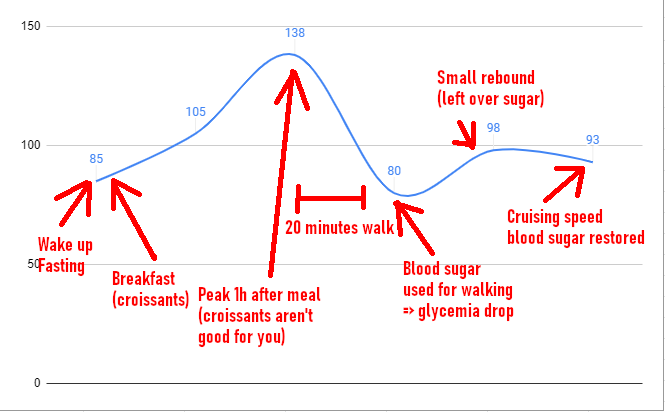
Physical activity is one of the most effective ways to improve insulin sensitivity and regulate blood glucose levels. When you exercise, your muscles use glucose for energy, helping to lower blood sugar levels and improve insulin function. Regular exercise—whether it’s strength training, cardio, or even daily brisk walks—can help your body become more efficient at using insulin, which is crucial for keeping your brain fueled with a consistent supply of glucose. Studies have shown that even a 10-15 minute walk after a meal can lower the postprandial glucose spike and improve blood sugar control, particularly in people with type 2 diabetes or insulin resistance.
Exercise also has direct benefits for brain function, including improved mood, memory, and focus. When you move, your body releases endorphins, which enhance your mental clarity and reduce stress. Moreover, regular exercise increases blood flow to the brain, delivering more oxygen and nutrients that support cognitive performance.
To maximize the benefits of exercise on blood sugar levels and focus, aim for at least 30 minutes of moderate physical activity most days of the week. Even short bursts of activity throughout the day can help regulate glucose and insulin levels, promoting sustained concentration and mental performance.
Conclusion
Balancing blood sugar is essential for maintaining focus, mental clarity, and overall cognitive performance. By understanding how glucose and insulin interact with your brain, you can make informed choices about your diet, lifestyle, and habits to support long-term mental health. Incorporating strategies like eating low-GI foods, staying physically active, and monitoring your blood sugar can help you achieve a more stable energy level and avoid the mental fog that comes with blood sugar fluctuations. With consistent effort and awareness, you can take control of your blood sugar and unlock your full mental potential.

Post a Comment for "How to Balance Blood Sugar for Better Focus and Mental Clarity"
Post a Comment