How to Apply Mindfulness in Your Daily Life: Simple Techniques for Better Focus and Peace
In a world that constantly pulls us in different directions, it’s easy to feel overwhelmed, distracted, and disconnected from the present moment. But what if you could find a way to bring more calm, clarity, and intention into your everyday life? The answer lies in applied mindfulness—a practice that doesn’t require hours of meditation or special equipment. It’s about being fully present in each moment, no matter how small or routine the activity.
This article will guide you through practical, accessible ways to integrate mindfulness into your daily routine. Whether you're juggling work, family, or personal goals, these techniques can help you cultivate better focus, emotional balance, and a deeper sense of peace.
Why Start with Beginner Mindfulness Exercises?
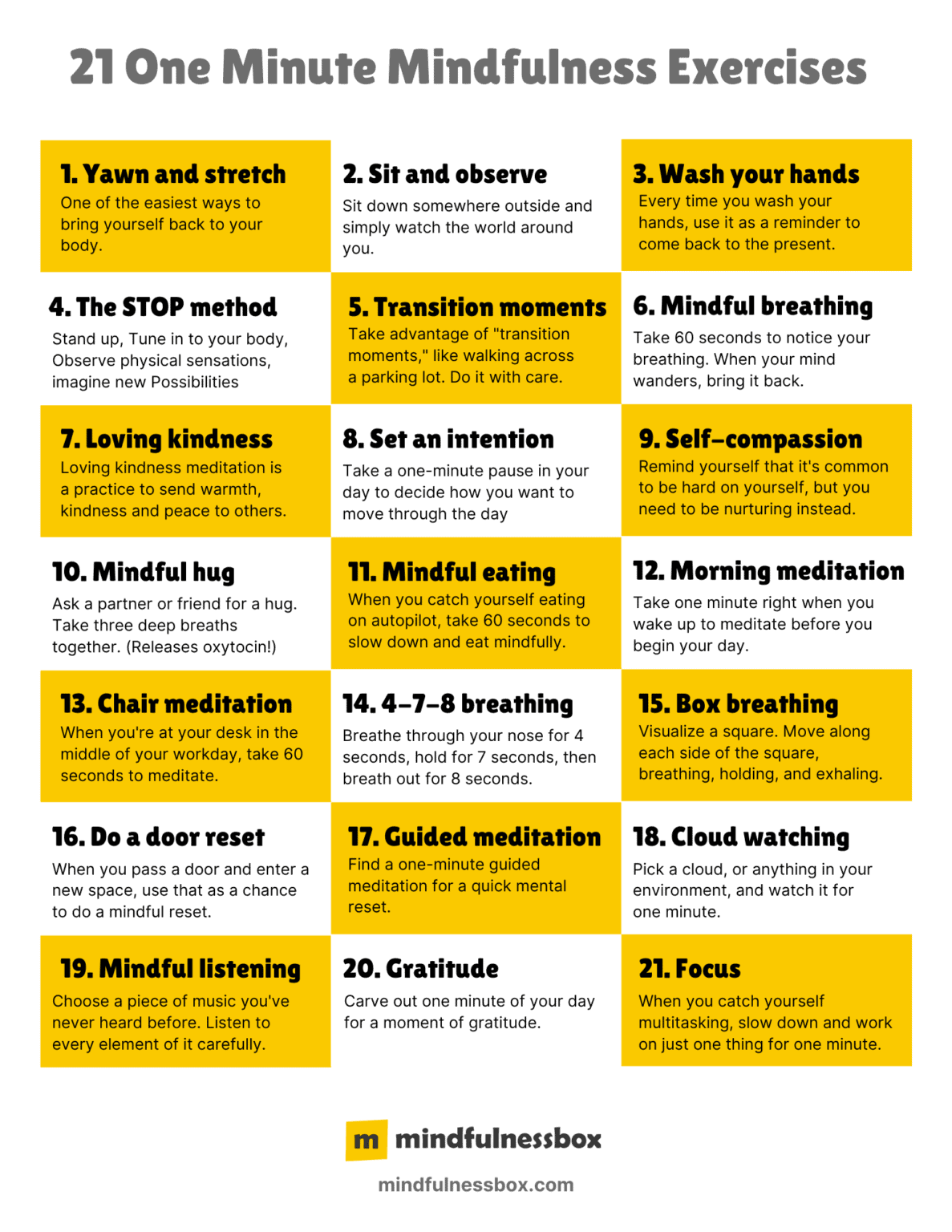
Mindfulness is often misunderstood as something that requires deep concentration or years of practice. In reality, it starts with small, manageable steps. Beginning with beginner mindfulness exercises helps build a strong foundation and makes the practice sustainable over time.
Here are three key reasons why starting simple is so effective:
- Staying Consistent: Just like building physical strength, mindfulness requires regular practice. Starting with short, simple exercises increases the likelihood of sticking with the habit. You’re more likely to keep showing up if the practice feels doable and rewarding.
- Building Focus and Tolerance: The mind naturally wanders, especially at first. By practicing mindfulness in short bursts, you train your brain to stay focused and tolerate discomfort without getting frustrated.
- Boosting Motivation: Even small improvements—like feeling calmer or more centered—can reinforce your motivation. These positive changes activate the brain’s reward system, making it easier to continue the practice.
Common Challenges and How to Overcome Them
Starting a mindfulness practice isn’t always smooth sailing. Many people face challenges like wandering thoughts, restlessness, or difficulty staying consistent. Here’s how to navigate them:
- Wandering Thoughts: It’s normal for your mind to drift. Instead of trying to stop thoughts, simply notice when they happen and gently return your attention to the present moment.
- Restlessness: If you feel restless, try shorter practices (one to two minutes) to keep the session manageable and less overwhelming.
- Uncomfortable Emotions: Mindfulness can bring up difficult emotions, but this is part of the process. Practice self-compassion by acknowledging these feelings without judgment.
- Inconsistency: Build mindfulness into your daily routine. Set a specific time each day, even if it’s just five minutes, and treat it as an important appointment with yourself.
5 Steps to Mindfulness: Breath Awareness Meditation

One of the simplest and most effective ways to start is with breath awareness meditation. This practice involves focusing on your breath and gently bringing your attention back whenever your mind wanders.
Here’s how to get started:
- Get Comfortable: Find a quiet, comfortable place to sit or lie down. You don’t need to be in a specific posture—just one that allows you to stay relaxed and alert.
- Set a Time Limit: Begin with 3 to 5 minutes. As you become more comfortable, you can gradually increase the duration.
- Notice Your Body: Feel the sensation of your breath entering and leaving your body. You can focus on the rise and fall of your chest or the feeling of air moving through your nostrils.
- Notice When Your Mind Wanders: It’s natural for your mind to drift. When you realize this, gently bring your attention back to your breath without judgment.
- Be Kind to Yourself: Remember, the goal isn’t to stop thinking—it’s to notice when you’ve wandered and return to the present moment with compassion.
The Power of a Mini-Practice

You don’t need to meditate for hours to experience the benefits of mindfulness. Research shows that even short practices—like 5 or 10 minutes a day—can significantly improve well-being.
A 2024 study published in The British Journal of Health Psychology found that participants who practiced mindfulness for just 10 minutes a day reported lower levels of anxiety and depression compared to those who didn’t. Other studies have shown that consistency matters more than the length of the practice.
So, whether you’re waiting in line, taking a break between tasks, or preparing a meal, you can use these moments to bring mindfulness into your day.
5 Mindfulness Practices for Everyday Life

While formal meditation is valuable, mindfulness can also be integrated into daily activities. Here are five informal practices you can try:
- Mindful Wakeup: Start your day with intention. Take a few deep breaths and ask yourself, “How do I want to show up today?” Let this intention guide your actions.
- Mindful Eating: Slow down during meals. Pay attention to the taste, texture, and aroma of your food. Eat with awareness rather than on autopilot.
- Mindful Pause: Use small moments throughout the day to pause and breathe. For example, take a deep breath before answering a phone call or opening a door.
- Mindful Workout: Turn exercise into a meditative practice. Focus on your breath and the sensations in your body as you move.
- Mindful Commuting: Use your commute as an opportunity to practice presence. Breathe deeply, observe your surroundings, and offer kindness to yourself and others.
Final Thoughts

Applied mindfulness is not about perfection—it’s about presence. It’s about choosing to be fully engaged in the current moment, no matter how small or mundane the activity. Whether you’re cooking, walking, or having a conversation, mindfulness can transform the way you experience life.
Start today by choosing one daily activity to practice with full awareness. You might be surprised at the joy and peace it brings. With consistent practice, you’ll begin to notice a shift in how you approach challenges, interact with others, and care for yourself.
Remember, the journey of mindfulness is a lifelong one. Each moment is an opportunity to reconnect with yourself and the world around you. So take a deep breath, and begin.

Post a Comment for "How to Apply Mindfulness in Your Daily Life: Simple Techniques for Better Focus and Peace"
Post a Comment