How Early Disease Detection AI is Revolutionizing Modern Healthcare
In the ever-evolving landscape of healthcare, one innovation stands out for its transformative potential: early disease detection AI. This cutting-edge technology is reshaping how medical professionals diagnose and treat illnesses, offering a glimpse into a future where diseases are caught before they become life-threatening. From detecting cancer in its earliest stages to predicting heart disease years in advance, AI is proving to be an invaluable tool in modern medicine.
The Rise of AI in Healthcare
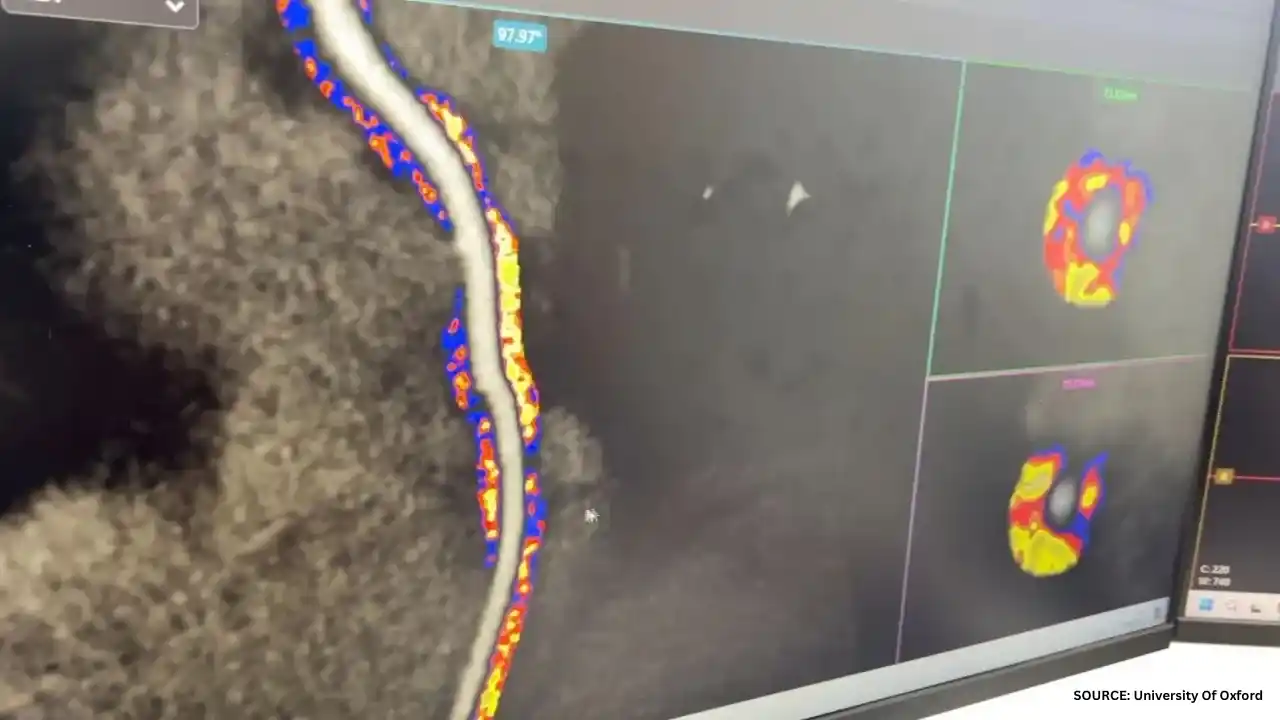
Artificial Intelligence (AI) has been making waves in healthcare for several years, but its role in early disease detection is gaining unprecedented attention. Unlike traditional diagnostic methods that rely on human intuition and experience, AI leverages machine learning algorithms to analyze vast amounts of data quickly and accurately. This capability allows AI to identify patterns and anomalies that might be missed by even the most experienced doctors.
For instance, AI systems can process electronic health records (EHRs), medical imaging, and genetic data to detect early signs of diseases. These systems are trained on large datasets, enabling them to recognize subtle changes in patient data that could indicate the onset of a condition. By doing so, AI not only enhances diagnostic accuracy but also improves the efficiency of healthcare delivery.
Machine Learning and Clinical Decision-Making
A notable example of AI's impact on healthcare comes from Oak Street Health, a value-based primary care provider for Medicare patients. Their study, published in the New England Journal of Medicine Catalyst, showcased how machine learning algorithms can support clinical decision-making. By analyzing historical data from EHRs, the algorithm effectively stratified patients into risk tiers, identifying those at higher risk of hospitalization or high medical costs more accurately than clinicians alone.
Dr. Jebran, a key figure in this research, emphasized the importance of these tools in allocating resources efficiently. "This internally developed tool helped us accurately identify high-risk patients to enable Oak Street Health to appropriately allocate resources to those most in need," he stated. This approach not only improves patient outcomes but also reduces healthcare costs by focusing on those who need it most.
Medical Imaging: A New Frontier
Medical imaging is one of the most promising areas where AI is making significant strides. Deep learning algorithms, a subset of machine learning, are being used to analyze images such as X-rays, MRIs, and CT scans. These algorithms can detect anomalies that might be overlooked by human radiologists, leading to earlier diagnoses.
For example, Google Health's AI model demonstrated remarkable accuracy in detecting breast cancer on mammograms, outperforming human radiologists in both sensitivity and specificity. Similarly, AI systems are being employed to detect lung cancer on CT scans, improving the accuracy of diagnosis by up to 20%. These advancements highlight the potential of AI to save lives by catching diseases in their earliest stages.
AI in Pathology and Genetic Analysis
Beyond imaging, AI is also transforming pathology and genetic analysis. In digital pathology, AI systems analyze high-resolution images of tissue samples to detect diseases such as cancer. These systems can identify patterns indicative of malignancy, often catching melanoma in its earliest stages when it is most treatable.
In genomics, AI plays a crucial role in analyzing vast amounts of genetic data to uncover links between genes and diseases. Researchers are using AI to study genetic variations associated with conditions like cystic fibrosis and sickle cell anemia. By identifying specific genetic markers early in life, AI can predict the likelihood of developing a genetic disease, allowing for timely interventions.
Predictive Analytics and Personalized Medicine
AI's predictive capabilities are also revolutionizing healthcare. By analyzing data such as blood pressure, heart rate, and lifestyle factors, AI systems can predict the likelihood of developing certain diseases. For instance, AI models are being trained to predict the risk of heart disease, potentially identifying issues years before symptoms appear.
Moreover, AI is facilitating personalized medicine by tailoring treatments to an individual's genetic profile. This approach not only improves treatment outcomes but also minimizes adverse effects, ensuring that patients receive the most effective care possible.
Ethical Considerations and Challenges
While the benefits of AI in early disease detection are substantial, there are also ethical considerations and challenges to address. Data privacy is a critical concern, as AI systems require access to sensitive patient information. Ensuring that this data is secure and that patient confidentiality is maintained is essential for the widespread adoption of AI in healthcare.
Another challenge is the potential for bias in AI algorithms. Since AI systems are trained on historical data, they can inadvertently perpetuate biases present in the data. Ensuring that AI systems are trained on diverse, representative datasets is crucial for achieving fair and accurate results.
The Future of AI in Healthcare
Looking ahead, the potential of AI in disease detection is vast. As AI continues to evolve, it will become even more adept at detecting diseases in their earliest stages. The integration of AI with wearable technology and telemedicine could enable real-time monitoring of patients’ health, allowing for even earlier detection of issues before they become serious.
In the future, AI may also become better at multi-modal diagnosis, combining data from various sources—such as genetic information, imaging, lab tests, and patient history—to provide a comprehensive diagnosis. This could lead to more accurate, personalized treatments and better outcomes for patients.
Conclusion
Artificial intelligence is transforming healthcare by enabling earlier disease detection, faster diagnosis, and more personalized treatment options. From medical imaging to genomics, AI is opening up new frontiers in disease detection that were previously unimaginable. While there are still hurdles to overcome, including ethical considerations and the need for transparent, diverse datasets, the future of AI in healthcare looks promising.
As AI continues to evolve, it holds the potential to revolutionize the way we approach health, making it possible to catch diseases long before they become life-threatening, ultimately improving the quality of life for patients around the world.

Post a Comment for "How Early Disease Detection AI is Revolutionizing Modern Healthcare"
Post a Comment