How Breathwork Can Help Restore Nervous System Balance
If you’ve ever felt your body stuck in a perpetual fight-or-flight mode, impacting your health in unexplained ways, you’re not alone. Many chronic health issues root from nervous system dysregulation, hindering your body’s ability to shift between relaxation and response modes. Something we like to call “regulation.” Rather than feeling ashamed, seize this opportunity to empower yourself. The key to supporting nervous system balance lies in simple yet profound daily breathwork — and we’re not talking about your usual breathing routine! Curious about incorporating proper breathwork to transform a dysregulated nervous system into one that thrives? Keep reading!
The Science Behind Breathwork and the Nervous System

Breathwork is more than just a physical act; it's a powerful tool that can influence the nervous system in profound ways. The diaphragm, the primary muscle involved in breathing, plays a critical role in regulating the autonomic nervous system (ANS), which controls involuntary functions like heart rate, digestion, and respiratory rate. When we breathe deeply and consciously, we activate the parasympathetic nervous system (PNS), often referred to as the "rest and digest" system. This counteracts the "fight or flight" response associated with stress, helping to bring the body back to a calmer state.
The vagus nerve, the longest of the cranial nerves, is heavily involved in this process. It connects the brain to various organs, including the heart, lungs, and digestive tract. Through its extensive network of fibers, the vagus nerve helps regulate heart rate, blood pressure, and other vital functions. By engaging in breathwork, we stimulate the vagus nerve, promoting a sense of calm and enhancing our body's ability to recover from stress.
How Deep Breathing Supports Emotional Regulation

Deep breathing is a commonly recommended technique for emotional regulation and stress management. It involves taking slow, deep breaths to activate the body’s relaxation response, which can help calm the nervous system and reduce feelings of anxiety or stress. Here are a few key benefits of deep breathing:
- Activating the Relaxation Response: Deep breathing stimulates the PNS, which helps counteract the "fight or flight" response associated with stress.
- Increased Oxygen Flow: Deep breathing allows for increased oxygen intake, which can have a calming effect on the body and mind, promoting clarity and focus.
- Mindfulness and Presence: Focusing on the breath encourages mindfulness, shifting attention away from stressful thoughts and bringing awareness to the present moment.
- Reducing Muscle Tension: Stress and negative emotions can contribute to muscle tension. Deep breathing promotes relaxation of the muscles, particularly in the shoulders, neck, and chest.
Here’s a simple deep breathing exercise to try:
- Find a quiet and comfortable place to sit or lie down.
- Close your eyes.
- Inhale slowly and deeply through your nose, expanding your diaphragm and filling your lungs with air. Count to four as you inhale.
- Hold your breath for a brief pause, counting to four.
- Exhale slowly and completely through your mouth, counting to six.
- Repeat this process for several breath cycles, focusing on the sensation of your breath and letting go of tension with each exhale.
Consistent practice of deep breathing, along with mindfulness and techniques such as stillness, silence, and solitude, can contribute to improved emotional regulation over time. It’s a skill that can be used in various situations, such as during moments of stress, anxiety, or when trying to manage overwhelming thoughts or emotions.
Breathwork and Neural Oscillations

Breathwork also influences neural oscillations, which are rhythmic patterns of electrical activity in the brain. These oscillations play a crucial role in cognitive and motor functions, as well as emotional regulation. Research has shown that the breath modulates limbic oscillations, affecting cognitive and motor functions of the cortex. This process occurs with greater force when inhalation takes place through the nose, while the effect is less forceful if the breath is carried out with an open mouth.
The olfactory bulb and the piriformis cortex oscillate during the breath, probably coordinating the cortical neural network linked to learning, memory, and behavior. These oscillations include delta (low frequency), theta (4-12 Hz), beta (they are found with odors, 30 Hz), and gamma (40-150 Hz) waves. The same respiratory rhythm is recorded differently from specific brain areas, from which the neural oscillations start. The greater the oscillations are coordinated, the greater the function expressed by the different cerebral areas involved.
Breathing, in particular, affects gamma waves, which involve the neocortex (frontal, parietal, and temporal area); these areas are activated for cognitive function: memory, attention, sensory perception, problem-solving, and language processes. Neural oscillations are measured in local field potentials (LFPs) or via an electroencephalogram (EEGs), influencing the action potential or spikes of neurons.
Practical Tips for Incorporating Breathwork Into Daily Life
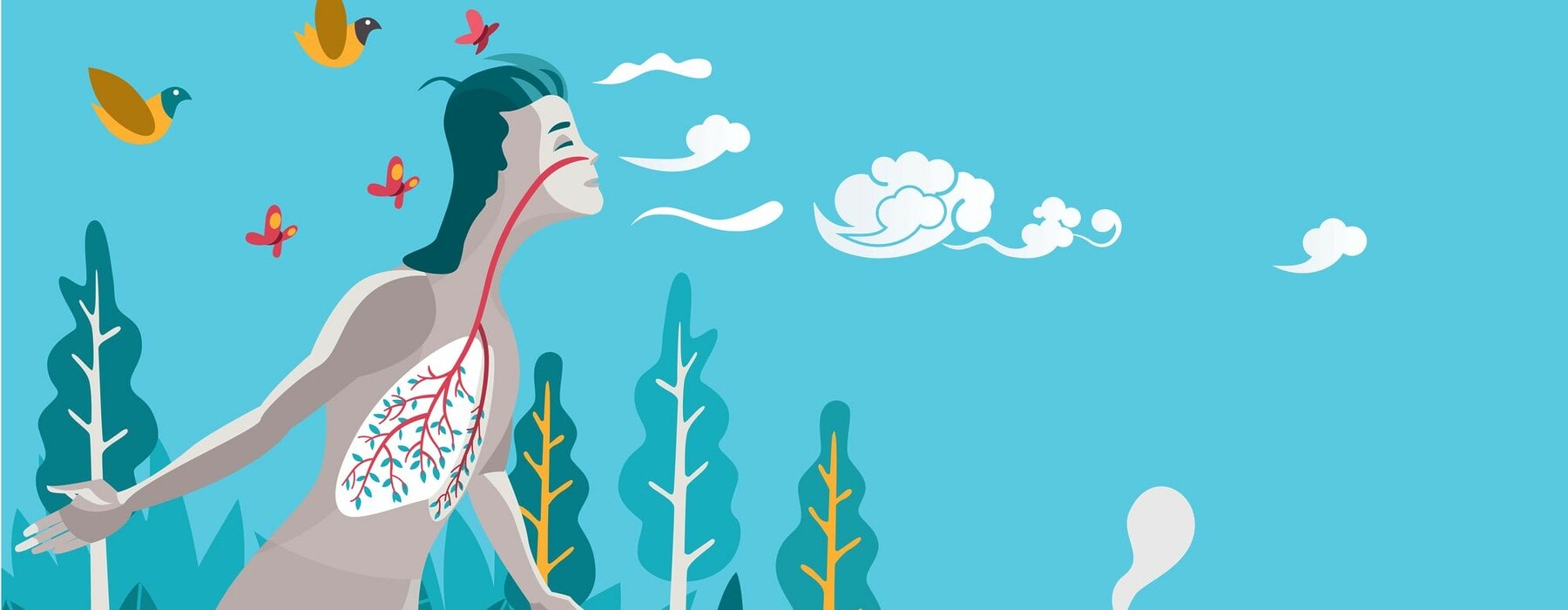
Incorporating breathwork into your daily routine can be a powerful way to support nervous system balance. Here are some practical tips to get started:
- Start Small: Begin with just a few minutes of focused breathing each day. As you become more comfortable, gradually increase the duration.
- Create a Routine: Set aside a specific time each day for breathwork, such as first thing in the morning or before bed.
- Combine With Mindfulness: Pair your breathwork with mindfulness practices, such as meditation or journaling, to enhance the benefits.
- Experiment With Techniques: Try different breathwork techniques, such as diaphragmatic breathing, box breathing, or alternate nostril breathing, to find what works best for you.
- Stay Consistent: Consistency is key. Even a few minutes of daily practice can lead to significant improvements in nervous system balance over time.
By making breathwork a regular part of your life, you can build resilience to stress and cultivate a deeper sense of calm and clarity.
Conclusion
Breathwork is a simple yet profound practice that can have a transformative impact on the nervous system. By engaging in conscious, deep breathing, we can activate the parasympathetic nervous system, reduce stress, and promote emotional regulation. The science behind breathwork reveals its power to influence neural oscillations, motor coordination, and overall well-being.
Whether you're dealing with chronic stress, anxiety, or simply looking for a way to feel more grounded, breathwork offers a natural and effective solution. By incorporating breathwork into your daily routine, you can take control of your nervous system and create a more balanced, resilient life.
Take a deep breath—peace starts now.

Post a Comment for "How Breathwork Can Help Restore Nervous System Balance"
Post a Comment