Effective Digital Detox Strategies for Better Mental Health
In an age where our smartphones are as essential as our keys, the constant stream of notifications and digital distractions can take a toll on our mental health. The concept of a digital detox—intentionally stepping away from electronic devices to reduce stress and restore focus—has become increasingly relevant. While technology offers numerous benefits, its overuse can lead to anxiety, sleep disruption, and emotional exhaustion. This article explores practical strategies for achieving a digital detox that supports mental well-being.
Understanding the Need for a Digital Detox
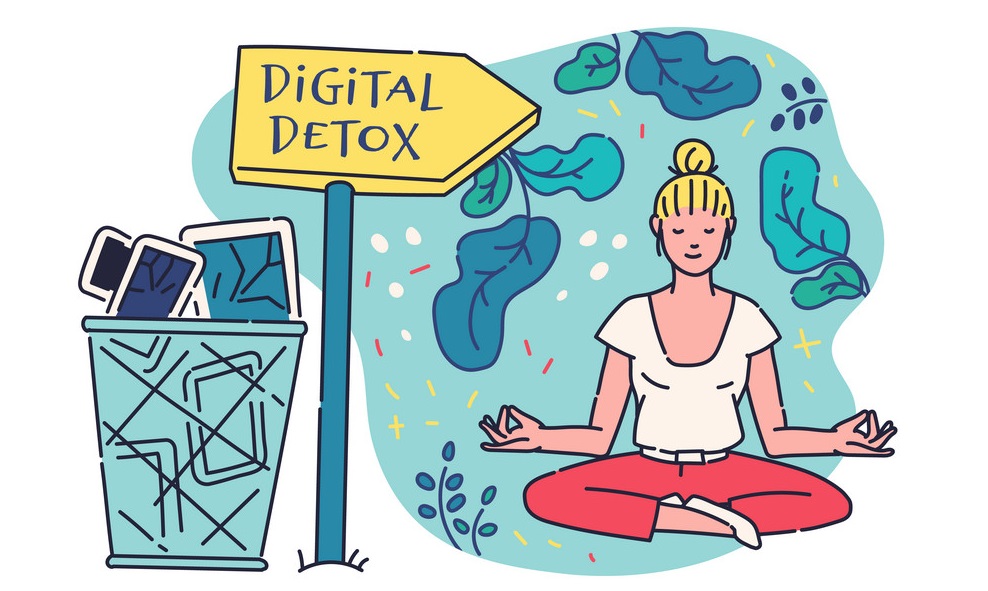
The average American checks their phone 96 times per day, often without conscious awareness. This constant engagement with digital devices can have significant consequences. According to the Pew Research Center, 31% of U.S. adults say they are “almost constantly online,” while the American Psychological Association (APA) reports that constant connectivity correlates with higher stress levels and lower life satisfaction.
Digital detoxing isn’t about rejecting technology altogether but rather about rebalancing your relationship with it. It’s a deliberate break from electronic devices—phones, laptops, social media, and constant notifications—to reduce stress and restore focus. By understanding the impact of constant connectivity, we can begin to address the need for a more intentional approach to technology use.
The Science Behind Digital Overload

Our devices stimulate the brain’s dopamine reward system, the same circuit involved in pleasure, addiction, and reinforcement. Each notification triggers a tiny dopamine spike, conditioning us to seek the next digital hit. Research from Harvard Medical School and Stanford University shows that multitasking across screens increases stress hormones (like cortisol) and decreases cognitive control. Chronic exposure leads to attentional fatigue—our mental “muscles” become strained.
Over time, this overstimulation contributes to difficulty with delayed gratification, heightened sensitivity to social feedback, and reduced executive function and emotion regulation. Digital detoxing allows the nervous system to reset, providing a much-needed break from the constant barrage of digital stimuli.
Mental-Health Impacts of Digital Overload
Excessive screen time can have serious implications for mental health. Studies link frequent social-media use to higher rates of depressive symptoms, especially among teens. Constant alerts and “fear of missing out” (FOMO) sustain low-grade anxiety. For individuals with ADHD, this constant stimulation can worsen focus problems and emotional dysregulation.
For those with Borderline Personality Disorder, social-media exposure can amplify rejection sensitivity and emotional swings. In rare cases, excessive digital immersion can worsen paranoia or increase relapse risk for those with schizophrenia. A digital detox can help mitigate these effects by reducing exposure to triggering content and restoring self-esteem through real-world connection and accomplishment.
Benefits of Digital Detoxing

A digital detox offers numerous benefits, including improved mental clarity, reduced stress and anxiety, enhanced emotional regulation, better sleep quality, stronger relationships, and increased productivity. Stepping away from constant notifications restores attention span, decision-making, and working memory. Limiting device use decreases cortisol levels, lowers blood pressure, and fosters relaxation.
By spending less time online, individuals experience fewer emotional triggers, especially those linked to comparison, rejection, or perfectionism. Detoxing from screens before bed normalizes circadian rhythms and improves melatonin production. Without constant digital distractions, face-to-face interactions regain depth and empathy. Studies show digital detox participants report a 47% rise in focus after just one week offline.
Practical Digital Detox Strategies
Implementing a digital detox doesn’t require drastic measures. Here are some effective strategies:
- Identify Triggers: Reflect on which apps or habits cause anxiety or distraction. Is it doomscrolling news? Comparing on social media? Identify what drains energy.
- Create No-Screen Zones: Designate tech-free times (meals, mornings, bedtime) or spaces (bedroom, dining area). Physical boundaries strengthen digital boundaries.
- Schedule Downtime: Replace mindless scrolling with intentional breaks—walks, journaling, mindfulness, or social connection.
- Use Technology Wisely: Turn off push notifications, set app limits, or use “focus” and “do not disturb” modes.
- Practice Mindful Tech Use: When online, do one task at a time. Notice physical cues (tension, fatigue) as signs to disconnect.
- Detox by Degree: Start with micro-detoxes—like “tech-free Sundays” or “no-scroll mornings.”
- Reflect & Reintegrate: After each detox, note how your body and mind respond. Keep beneficial boundaries permanently.
The Psychology of Digital Attachment
Digital technology meets fundamental psychological needs—belonging, competence, autonomy. When those needs are unmet offline, digital spaces become compensatory, leading to dependency. This explains why detoxing feels uncomfortable: withdrawal triggers anxiety similar to addiction. Research shows dopamine dips during digital abstinence, followed by emotional recalibration—eventually yielding greater calm and satisfaction.
Detoxing is therefore both psychological and physiological recovery. It helps individuals manage impulsivity and mood reactivity, supporting mental health recovery. For those with OCD or perfectionism, setting screen limits prevents compulsive checking and endless comparison loops.
Clinical Techniques for Sustainable Digital Detox
Therapists often integrate digital detoxing within Cognitive Behavioral Therapy (CBT) or Dialectical Behavior Therapy (DBT) to build mindfulness and reduce maladaptive online behaviors. Effective techniques include:
- Mindfulness practice: Notice urges to check your phone without judgment.
- Behavioral activation: Replace scrolling with rewarding offline activities.
- DBT “distress tolerance” skills: Ground in the moment rather than using screens to avoid emotions.
- Scheduled social connection: Encourage phone-free quality time.
- CBT thought-challenging: Reframe fears of missing out (“If I’m offline, I’ll fall behind”) into balanced beliefs (“Resting enhances my productivity”).
The Role of Mindfulness in Digital Detoxing
Mindfulness complements digital detoxing by cultivating awareness and non-reactivity. Simple practices include:
- Digital check-in meditation: Notice sensations before and after screen use.
- Mindful pauses: Take three deep breaths before opening an app.
- Grounding activities: Nature walks, tactile crafts, or journaling to anchor attention.
Mindfulness rewires the brain for intentional engagement rather than automatic consumption. It helps individuals develop a healthier relationship with technology, reducing the urge to scroll and increasing presence in the moment.
When Digital Detox Becomes Difficult
For some, disconnecting provokes anxiety or loneliness—especially those whose social circles or work revolve online. Gradual change, not abrupt withdrawal, is key. If device overuse masks underlying issues—such as depression, trauma, or ADHD—professional support can help. Therapists can address the emotional needs driving excessive digital reliance.
Case Example
Consider a 26-year-old marketing professional who reports fatigue, anxiety, and insomnia from “living online.” She checks her phone over 300 times per day and feels constant FOMO. Her therapist introduces a digital detox plan: disabling push notifications, phone-free mornings, mindfulness, and accountability tracking. Within four weeks, she reports improved focus, fewer panic episodes, better sleep, and rediscovered hobbies. Digital detoxing didn’t isolate her—it restored balance.
Preventing Digital Burnout
Long-term digital wellness depends on maintenance, not abstinence. Schedule regular “digital sabbaths.” Prioritize face-to-face interaction. Curate social feeds for positivity and learning. Use technology intentionally—not reflexively. Technology should serve mental health, not erode it.
Conclusion
Reclaiming mental clarity in a digitally saturated world requires intentionality, self-awareness, and the courage to swim against cultural currents that normalize constant connectivity. A successful digital detox isn’t about rejecting technology but about ensuring it serves you rather than controls you. By implementing practical strategies and fostering a mindful relationship with technology, you can achieve better mental health and a more balanced life. Start small, be patient with yourself, and remember that every moment you reclaim from mindless scrolling is a moment you can invest in the activities, relationships, and presence that truly nourish your well-being.

Post a Comment for "Effective Digital Detox Strategies for Better Mental Health"
Post a Comment