Biohacking for Female Athletes: Boost Performance and Recovery Naturally
In the world of sports, every second counts, and for female athletes, optimizing performance and recovery is essential. While traditional training methods remain crucial, a growing number of athletes are turning to biohacking—a blend of science, technology, and lifestyle adjustments—to unlock their full potential. Biohacking isn’t just about pushing harder; it’s about working smarter, fueling the body effectively, and ensuring that recovery is as intentional as training itself. Whether you're a competitive athlete or someone who enjoys fitness for wellness, understanding how to harness the power of biohacking can make a significant difference in your athletic journey.

Understanding Biohacking: What It Is and Why It Matters
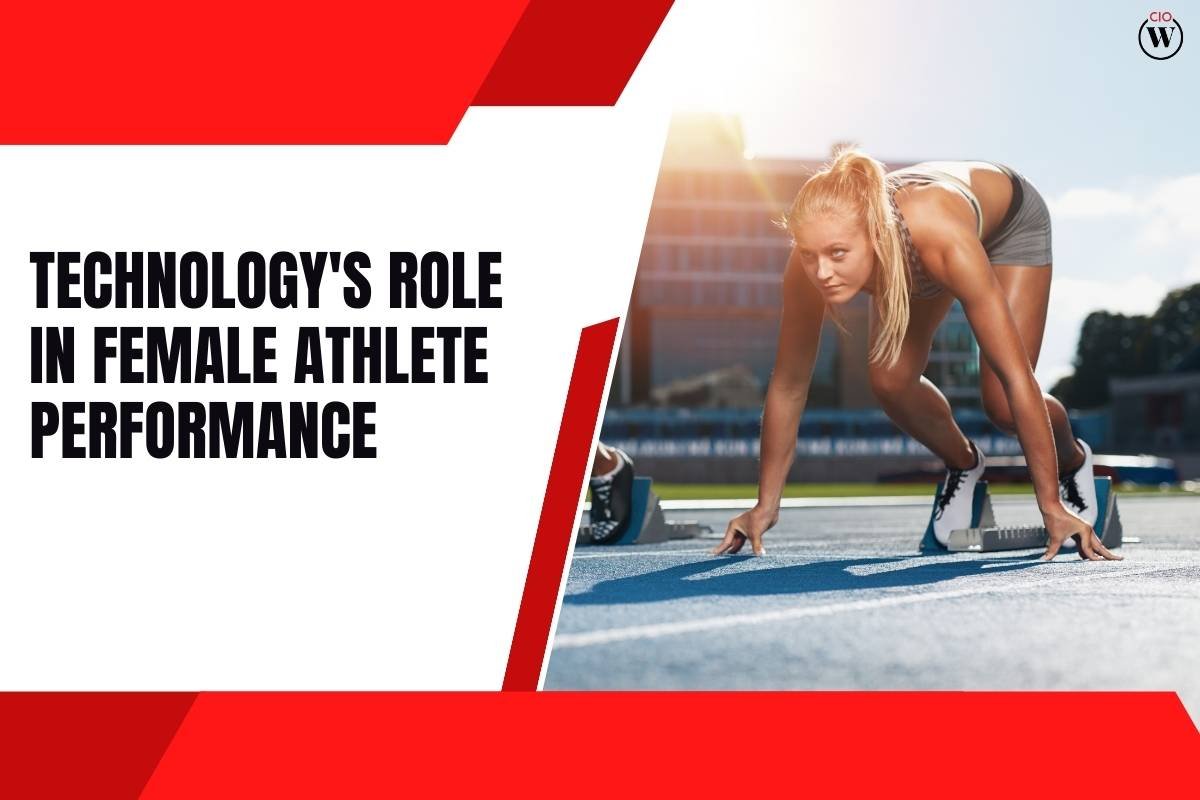
Biohacking is the practice of making small, intentional changes to your lifestyle and daily habits to improve and ultimately optimize how your body functions. For female athletes, this could mean anything from adjusting nutrition to incorporating wearable tech that tracks your progress. The goal is to enhance physical and mental performance while supporting long-term health and well-being.
What sets biohacking apart from conventional fitness approaches is its focus on personalization and data-driven decisions. By monitoring key metrics like heart rate variability (HRV), sleep quality, and nutrient intake, athletes can fine-tune their routines to suit their unique needs. This level of customization ensures that each athlete can maximize their potential without overtraining or neglecting recovery.
Key Biohacking Strategies for Female Athletes

- Strength Training: Building Resilience Strength training is one of the most powerful biohacking strategies available to women. Lifting weights builds muscle, improves body composition, boosts metabolism, and supports bone density. For female athletes, this is especially important as it helps prevent injuries and enhances overall performance.
Progressive overload—gradually increasing the intensity of your workouts—is essential for building strength. Start with a realistic program, such as the Overload 30 Workout Program, which focuses on sustainable gains without overwhelming your body.
- High Protein Intake: Fueling Muscle Repair Increasing protein intake is a cornerstone of biohacking for female athletes. Protein supports muscle repair, hormone balance, and stable energy levels. Many women under-eat protein, leading to fatigue and difficulty maintaining weight.
Prioritize whole food sources of protein at every meal, and consider high-protein snacks like Greek yogurt, cottage cheese, or protein smoothies. This not only aids in recovery but also keeps you feeling full and energized throughout the day.
- Electrolyte Balance: Enhancing Hydration Proper hydration is more than just drinking water—it involves maintaining the right balance of electrolytes like sodium, potassium, and magnesium. These minerals are crucial for nerve function, fluid balance, and cellular health.
Add an electrolyte supplement like LMNT to your water bottle during workouts to prevent cramps, headaches, and fatigue. Staying properly hydrated ensures your body can perform at its best, even during intense training sessions.
- Creatine: Supporting Energy and Muscle Health Creatine is a natural compound that has been extensively studied and proven to improve exercise performance, reduce recovery time, and support brain health. For female athletes, especially those entering perimenopause, creatine can be a game-changer.
Start with a daily dose of 5 grams, and monitor how your body responds. Some may experience initial bloating, but this usually subsides within a few weeks. Choose a reputable brand like NOW Creatine Monohydrate for safe and effective results.
- Activity Tracking: Gaining Insights Wearable devices like smartwatches or fitness trackers provide valuable data on your activity levels, heart rate, and sleep quality. This information allows you to make informed decisions about your training and recovery.
Use your device to track daily steps, workout intensity, and sleep patterns. This data can help you identify areas for improvement and adjust your routine accordingly. For example, if you notice poor sleep quality, you might prioritize better sleep hygiene practices.
- Red Light Therapy: Accelerating Recovery Red light therapy is a non-invasive treatment that uses red and near-infrared light to stimulate cellular repair, increase blood flow, and reduce inflammation. It's becoming increasingly popular among athletes for its ability to speed up recovery and reduce muscle soreness.
If you've experienced an injury or are dealing with persistent muscle pain, consider incorporating red light therapy into your routine. Devices like Lumebox offer convenient and effective solutions for home use.
- Sleep and Recovery: The Underrated Secret Sleep is often overlooked but is one of the most critical components of any athlete's routine. Quality sleep supports hormonal balance, muscle recovery, and mental clarity. Without adequate rest, even the best training programs can fall short.
Prioritize good sleep hygiene by limiting caffeine after 2 PM, reducing screen time before bed, and investing in comfortable bedding. Tools like cooling pillows or sleep tracking apps can also help improve your sleep quality.
Personalizing Your Biohacking Journey

One of the most important aspects of biohacking is personalization. What works for one athlete may not work for another, so it's essential to tailor your approach based on your unique needs and goals. For example:
- Younger athletes may benefit from focusing on stress management and proper nutrition.
- Athletes in their 30s or 40s might prioritize strength training and hormone support.
- Those in perimenopause or menopause should emphasize bone density and cognitive health.
Start with one or two biohacks at a time, and track how your body responds. This gradual approach allows you to identify what works best for you without overwhelming your system.
Final Thoughts: Embracing a Holistic Approach
Biohacking for female athletes is more than just a trend—it's a holistic approach to health and performance that empowers individuals to take control of their bodies. By combining science-backed practices with personalized adjustments, female athletes can enhance their training, recover faster, and achieve long-term success.
Whether you're looking to boost your performance, prevent injuries, or simply feel better in your daily life, biohacking offers a powerful toolkit to help you reach your goals. Start small, stay consistent, and let your body guide you toward the best version of yourself.

Post a Comment for "Biohacking for Female Athletes: Boost Performance and Recovery Naturally"
Post a Comment