Biohacking Energy for Women: Natural Ways to Boost Vitality and Wellness
If you're feeling constantly tired, dragging through the day, or relying on caffeine just to function, you’re not alone. Fatigue is one of the most common health complaints among women, and often, it’s not because you’re doing too much—it’s because your body is missing the nutrients it needs to produce energy properly. The good news is that there are natural, science-backed ways to boost your energy levels, and they start with understanding how your body works.
Biohacking energy for women isn’t about quick fixes or extreme measures. It’s about making small, sustainable changes that support your body’s natural rhythms and optimize your well-being. From nutrition to lifestyle habits, here’s how you can take control of your energy and feel more vibrant than ever.

Understanding the Science of Energy Production
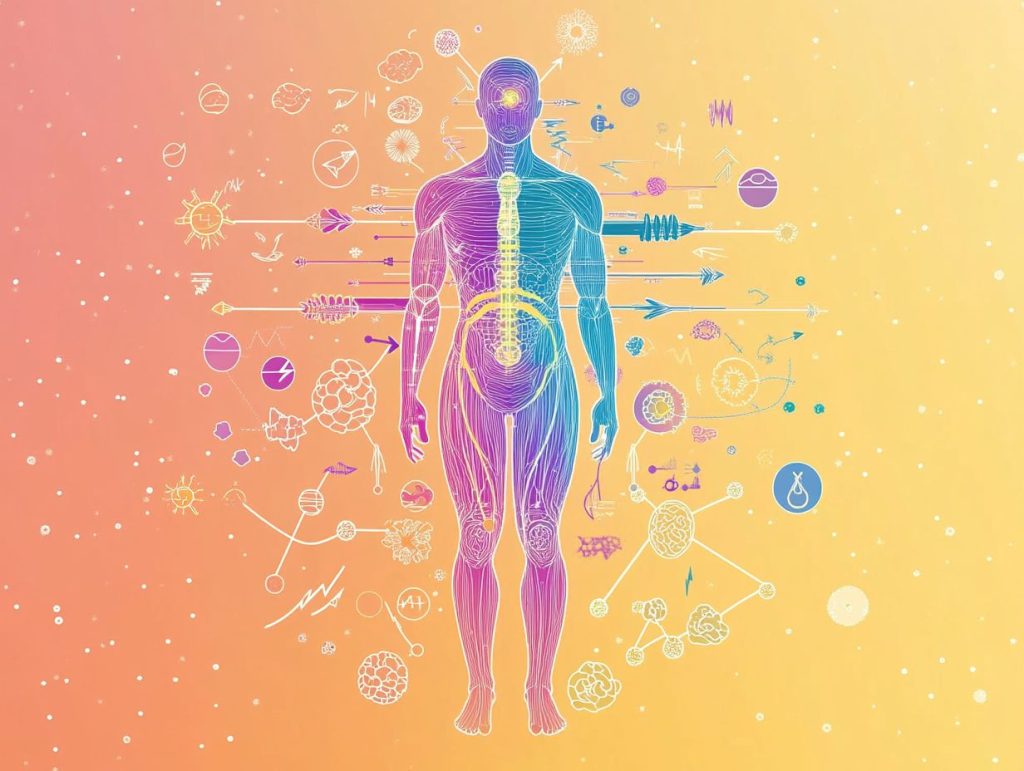
Your body relies on a complex system to generate energy. When you eat, your body breaks down food into glucose, which is then used to create ATP (adenosine triphosphate), the molecule that powers your cells. This process happens in the mitochondria, often referred to as the “powerhouse” of the cell.
But for this process to work efficiently, your body needs the right nutrients. Vitamins and minerals like iron, B vitamins, magnesium, and vitamin D play critical roles in energy metabolism. Without them, even the best diet might not be enough to keep you energized.
For women, hormonal fluctuations, menstrual cycles, and other life stages can further complicate energy levels. That’s why biohacking energy for women is all about addressing these unique factors and supporting your body with the right tools.
Key Nutrients for Sustained Energy

Here are some of the most important nutrients that support energy production in women:
- Iron: Essential for transporting oxygen throughout the body. Low iron levels can lead to fatigue, especially during menstruation.
- Vitamin B12: Supports red blood cell formation and nerve function. Deficiencies are common in vegetarians and those over 40.
- Magnesium: Plays a role in ATP production and helps regulate sleep and stress.
- Vitamin D: Important for muscle strength and mitochondrial health. Many women are deficient, especially in colder climates.
- Folate (B9): Works with B12 to support red blood cell production and DNA synthesis.
- Zinc: Involved in hundreds of enzymatic reactions, including those related to energy and immune function.
These nutrients don’t just help you feel more energetic—they also support overall health, from mood regulation to immune function.
Biohacking Through Nutrition

One of the simplest and most effective ways to boost energy is through your diet. Here are some practical steps you can take:
- Eat Iron-Rich Foods: Include lean meats, leafy greens, legumes, and fortified cereals in your meals.
- Boost B Vitamin Intake: Incorporate foods like eggs, dairy, whole grains, and leafy vegetables into your daily routine.
- Stay Hydrated: Dehydration can cause fatigue, so make sure you’re drinking enough water throughout the day.
- Limit Processed Foods: These can lead to energy crashes and nutrient deficiencies.
If you’re not getting enough of these nutrients through food alone, consider supplements—but always consult with a healthcare provider first.
Lifestyle Changes That Support Energy

In addition to nutrition, your lifestyle plays a major role in how you feel. Here are some biohacking strategies to try:
- Prioritize Sleep: Aim for 7–9 hours of quality sleep each night. Create a bedtime routine that includes winding down and avoiding screens before bed.
- Move Your Body: Regular exercise improves circulation, boosts mood, and enhances energy levels. Even a short walk can make a difference.
- Manage Stress: Chronic stress can drain your energy. Practice mindfulness, meditation, or deep breathing exercises to stay grounded.
- Get Outside: Sunlight exposure helps regulate your circadian rhythm and supports vitamin D production.
Small, consistent changes in these areas can have a big impact on your energy levels over time.
Herbal Supplements and Adaptogens

In addition to vitamins and minerals, certain herbal supplements can also support energy and resilience. Adaptogens like ashwagandha, rhodiola, and ginseng help your body manage stress and improve focus. These natural remedies can be a great complement to your energy-boosting routine.
However, it’s important to choose high-quality products and consult with a healthcare professional before starting any new supplement regimen.
Tracking and Personalizing Your Approach

One of the core principles of biohacking is tracking. Whether it’s through a fitness tracker, a journal, or a simple app, monitoring your energy levels and lifestyle habits can help you identify what’s working and what’s not.
Keep track of:
- Your sleep patterns
- Your mood and energy levels throughout the day
- What you eat and how it affects your energy
- Any supplements or lifestyle changes you try
This data can help you fine-tune your approach and make more informed decisions about your health.
Conclusion

Biohacking energy for women is about taking a proactive, personalized approach to your health. By focusing on key nutrients, making smart lifestyle choices, and listening to your body, you can unlock a more vibrant, energized version of yourself.
Remember, energy isn’t just about how much you do—it’s about how well you nourish and care for your body. With the right tools and mindset, you can transform your energy levels and enjoy a more balanced, fulfilling life.

Post a Comment for "Biohacking Energy for Women: Natural Ways to Boost Vitality and Wellness"
Post a Comment