Beginner's Guide to Zone 2 Training: How to Maximize Your Endurance and Fat Burn
If you're new to fitness or looking to improve your endurance without the burn of high-intensity workouts, Zone 2 training is a game-changer. This low-to-moderate intensity form of cardio allows you to maintain a comfortable pace while still reaping significant health benefits. In this guide, we’ll break down what Zone 2 training is, why it’s effective, how to measure it, and how to structure your workouts for maximum results.

Understanding Heart Rate Zones

Before diving into Zone 2 training, it's essential to understand how heart rate zones work. Cardio training is typically divided into five zones based on your maximum heart rate (MHR):
- Zone 1 (50-60% of MHR): Very light effort, ideal for warm-ups and recovery.
- Zone 2 (60-70% of MHR): Low to moderate intensity, perfect for building endurance and fat burning.
- Zone 3 (70-80% of MHR): Moderate intensity, often used for tempo runs and lactate threshold workouts.
- Zone 4 (80-90% of MHR): High intensity, focused on speed and VO2 max improvement.
- Zone 5 (90-100% of MHR): Maximum effort, including sprints and HIIT workouts.
Zone 2 is particularly valuable because it helps improve aerobic efficiency, allowing you to perform longer while burning fat as the primary fuel source.
Why Zone 2 Training Matters

Incorporating Zone 2 training into your routine offers several benefits:
- Improves Aerobic Endurance: Enhances your ability to sustain prolonged efforts.
- Enhances Fat Metabolism: Encourages your body to use fat for energy rather than relying on carbohydrates.
- Reduces Fatigue: Less stressful on the body compared to high-intensity training, allowing for more frequent workouts.
- Boosts Recovery: Helps muscles recover faster by promoting efficient oxygen usage.
- Supports Heart Health: Strengthens your cardiovascular system without excessive strain.
These benefits make Zone 2 training an excellent choice for beginners and seasoned athletes alike.
How to Measure Your Zone 2 Training
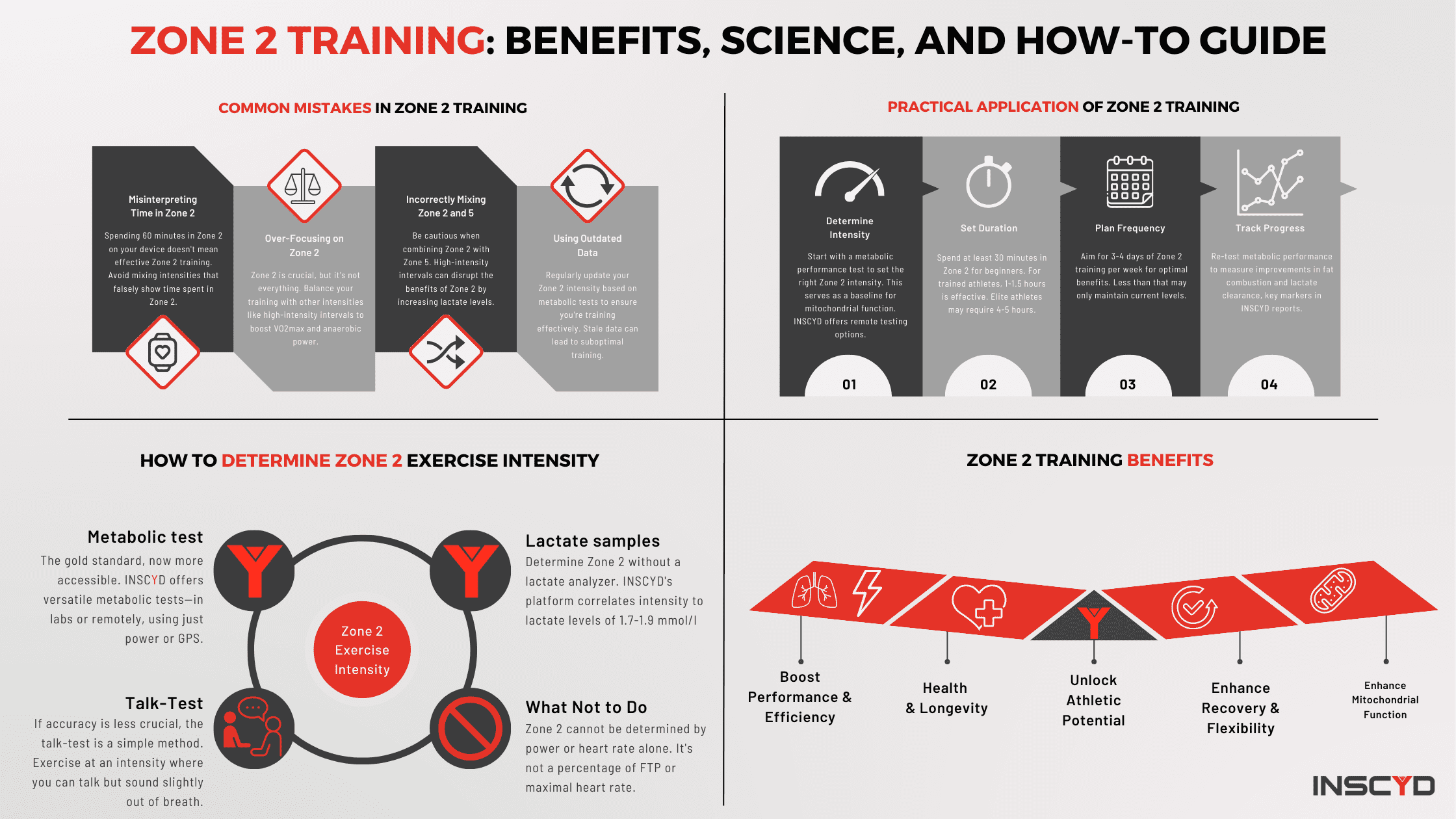
To ensure you’re training in Zone 2, you can use different methods:
1. Heart Rate Monitoring
The most accurate way to measure Zone 2 training is by using a heart rate monitor. To calculate your target heart rate:
- Estimate your max heart rate: 220 - (your age) = Max HR
- Zone 2 range: 60-70% of Max HR
For example, if you’re 40 years old: - Max HR = 220 - 40 = 180 bpm - Zone 2 range = 108-126 bpm
2. The Talk Test
If you don’t have a heart rate monitor, a simple talk test can help. In Zone 2, you should be able to hold a conversation without gasping for breath. If you struggle to talk, you’re pushing too hard.
On a scale from 1-10, Zone 2 should feel like a 4 or 5—easy but sustainable.
Zone 2 Training Workouts

Here’s how to apply Zone 2 training to different endurance activities:
- Running: Base runs at a comfortable, conversational pace. Effort level: RPE 4-5. Duration: 30-60 minutes.
- Cycling: Steady ride on flat terrain with minimal resistance. Effort level: Easy, sustainable. Duration: 45-90 minutes.
- Walking: Brisk pace, but still able to talk easily. Duration: 30-60 minutes.
- Swimming: Smooth, continuous swimming at a relaxed pace. Duration: 20-45 minutes.
- Elliptical Training: Low to moderate resistance, steady pace. Duration: 30-45 minutes.
How Often Should You Do Zone 2 Workouts?

Your frequency depends on your fitness level and goals:
- Beginners: Start with 2-3 sessions per week, each lasting 15-30 minutes.
- Intermediate runners & athletes: Aim for 3-5 sessions per week of 30-60 minutes each.
- Advanced endurance athletes: Can perform 4-6 sessions per week as part of base training.
During race season, Zone 2 workouts should still be included but balanced with higher-intensity training.
Sample Zone 2 Running Workouts
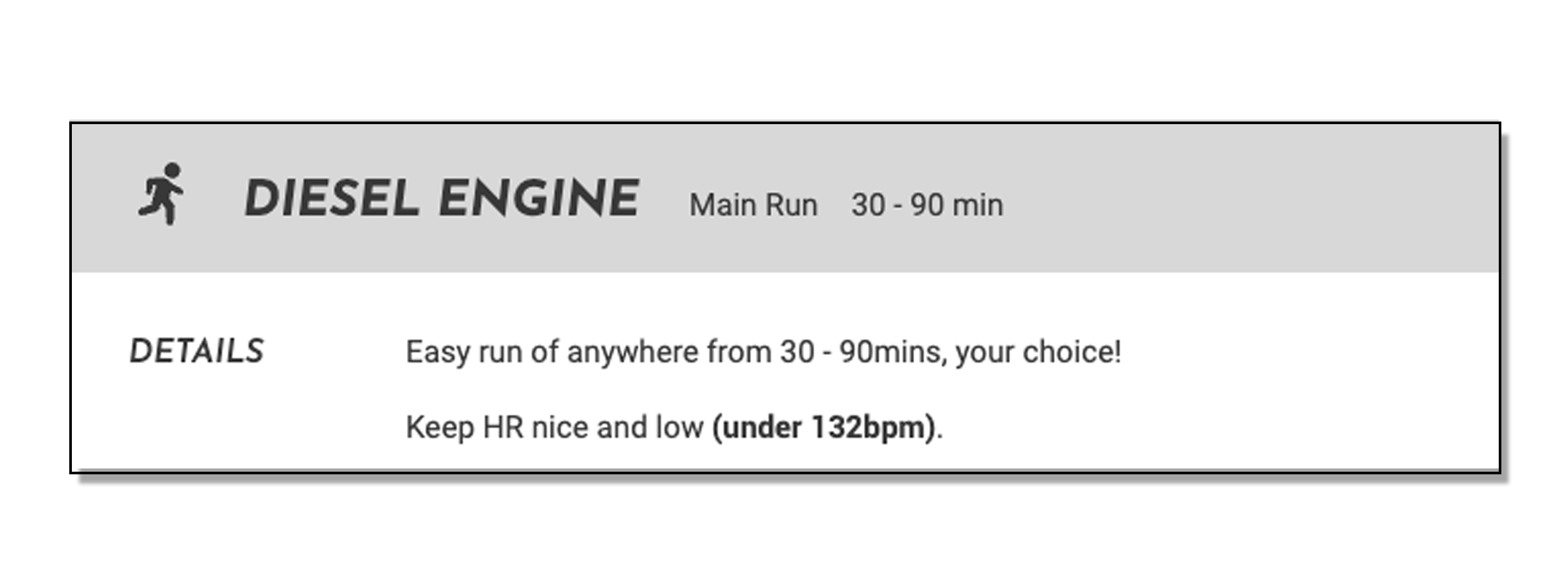
Here’s how to structure a Zone 2 workout based on your experience level:
Beginner Zone 2 Running Workout
- Warm-up: 10-minute walk + dynamic stretches
- Run: 25 minutes at a conversational pace (RPE 4-5)
- Cool-down: 5-minute walk + static stretches
Intermediate Zone 2 Running Workout
- Warm-up: Dynamic stretching + easy jogging for 10 minutes
- Run: 30-60 minutes at an easy, steady pace
- Cool-down: 10-minute walk + static stretching
Conclusion
Zone 2 training is a game-changer for endurance athletes, allowing you to build aerobic capacity, burn fat efficiently, and recover faster. By incorporating it consistently, you’ll see significant improvements in stamina and performance.
Whether you’re a beginner looking to improve fitness or an experienced runner training for a race, Zone 2 should be a key part of your program. So, lace up your shoes, find your easy pace, and enjoy the long-term benefits!

Post a Comment for "Beginner's Guide to Zone 2 Training: How to Maximize Your Endurance and Fat Burn"
Post a Comment