5 Essential Tips for Maintaining Brain Health as an Executive
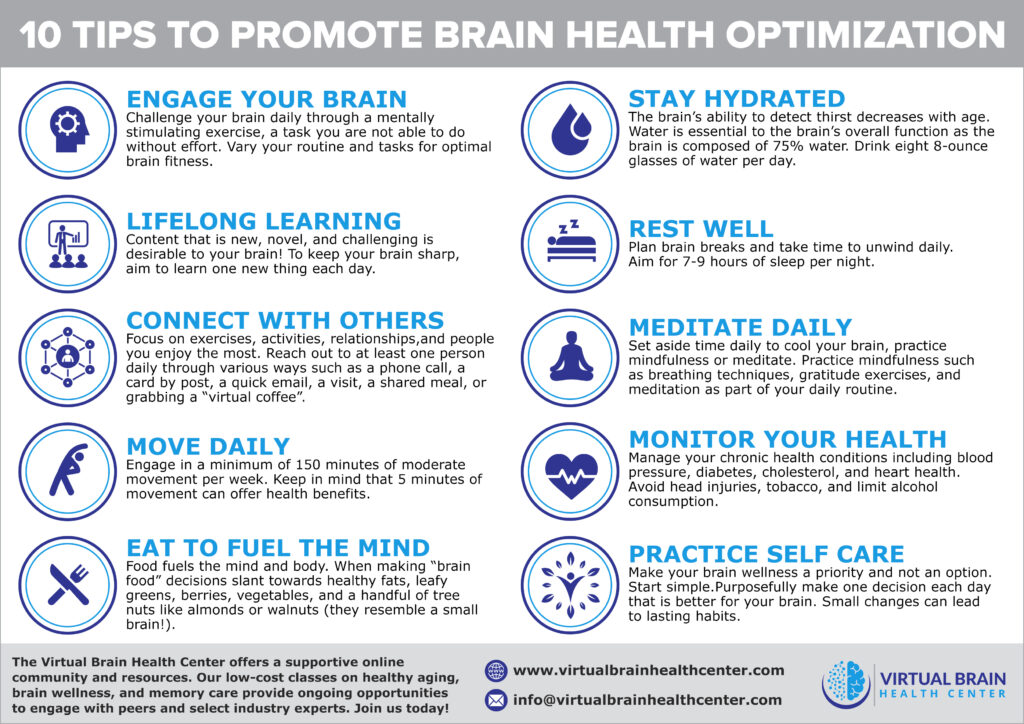
In the high-stakes world of executive leadership, mental clarity, decision-making, and emotional resilience are not just advantages—they are necessities. As executives navigate complex challenges, long hours, and constant pressure, their brain health becomes a critical factor in sustaining performance and long-term success. The good news is that with the right strategies, executives can actively protect and enhance their cognitive function. This article explores five essential tips to help executives maintain peak brain health, ensuring they stay sharp, focused, and resilient in the face of demanding responsibilities.
1. Prioritize Cognitive Training and Mental Stimulation

The brain, like any muscle, benefits from regular exercise. For executives, this means engaging in activities that challenge cognitive functions such as memory, attention, and problem-solving. Research shows that structured cognitive training can improve memory and executive function by up to 30%, making it a powerful tool for maintaining mental sharpness.
Practical Steps: - Engage in brain-training exercises: Use apps or programs designed for cognitive enhancement, such as Lumosity or Peak, which offer targeted workouts for memory, focus, and processing speed. - Play strategic games: Chess, Sudoku, and crosswords are excellent for stimulating different areas of the brain and improving mental agility. - Learn new skills: Whether it’s a language, a musical instrument, or a software program, learning something new keeps the brain active and adaptable.
Regular mental stimulation not only strengthens neural connections but also builds cognitive resilience, helping executives handle complex tasks more efficiently.
2. Implement Effective Stress Management Techniques

Chronic stress is one of the biggest threats to brain health. It impairs cognitive function, reduces focus, and increases the risk of burnout. For executives, who often juggle multiple responsibilities, managing stress is not just a personal wellness goal—it's a professional necessity.
Practical Steps: - Practice mindfulness and meditation: Studies show that mindfulness can lower stress symptoms by up to 38% by reducing cortisol levels and improving emotional regulation. - Incorporate breathing exercises: Techniques like diaphragmatic breathing or box breathing can help calm the nervous system and enhance mental clarity. - Schedule regular downtime: Make time for activities that bring joy and relaxation, such as reading, walking, or spending time in nature.
By integrating these practices into daily routines, executives can reduce the negative impact of stress on their brains, leading to better decision-making and sustained productivity.
3. Focus on Sleep and Recovery
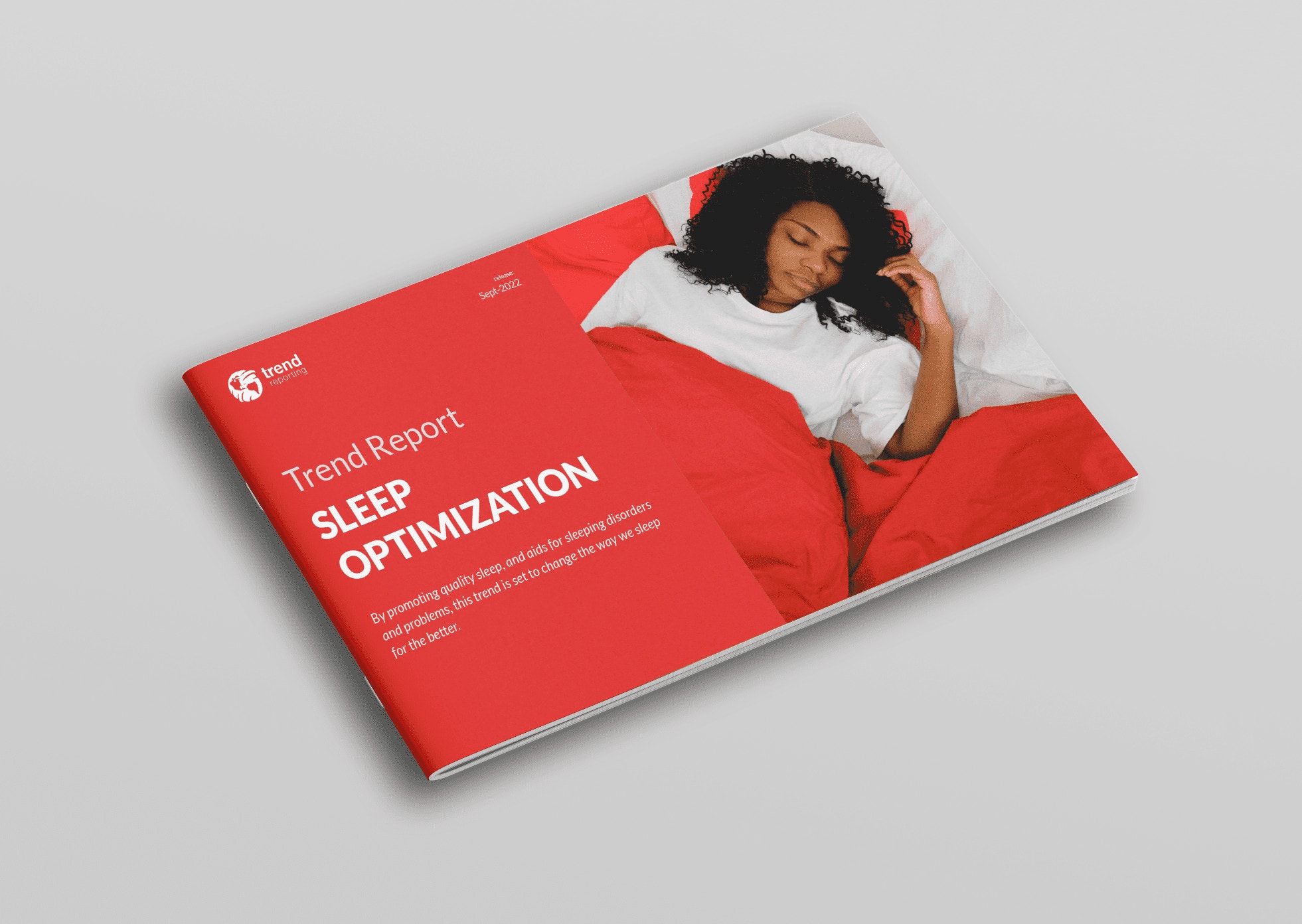
Sleep is a cornerstone of brain health. During sleep, the brain clears out toxins, consolidates memories, and restores cognitive function. For executives, who often sacrifice sleep for work, this can have serious consequences, including impaired judgment, reduced creativity, and increased irritability.
Practical Steps: - Establish a consistent sleep schedule: Aim for 7–9 hours of quality sleep each night, and try to go to bed and wake up at the same time every day. - Create a sleep-friendly environment: Keep your bedroom dark, cool, and free from distractions like phones or computers. - Limit caffeine and screen time before bed: These can interfere with the body’s natural sleep cycle and make it harder to fall asleep.
Prioritizing sleep ensures that the brain has the time it needs to recover and function at its best, supporting both mental and physical well-being.
4. Adopt a Brain-Boosting Lifestyle

What you eat, how you move, and the habits you cultivate all play a role in brain health. A holistic approach that includes nutrition, physical activity, and mental well-being can significantly enhance cognitive performance and resilience.
Practical Steps: - Eat brain-healthy foods: Incorporate foods rich in omega-3 fatty acids (like salmon and walnuts), antioxidants (such as berries and leafy greens), and vitamins (including B-complex and vitamin E). - Stay physically active: Regular exercise increases blood flow to the brain, promotes neurogenesis, and improves mood and focus. Even a daily walk can make a difference. - Stay socially engaged: Strong social connections support mental health and reduce the risk of cognitive decline. Make time for meaningful interactions with colleagues, friends, and family.
A healthy lifestyle not only supports brain function but also enhances overall energy levels, making it easier to handle the demands of executive life.
5. Seek Professional Support and Regular Assessments
While self-care is important, some aspects of brain health require expert guidance. Executives can benefit from personalized programs that combine medical assessments, cognitive training, and lifestyle interventions to optimize brain function.
Practical Steps: - Consider executive brain health programs: Programs like Fountain Life or the Cleveland Clinic’s Brain Health Program offer comprehensive assessments, AI-driven diagnostics, and tailored interventions to support cognitive wellness. - Schedule regular check-ups: Work with healthcare professionals to monitor cognitive function, detect early signs of decline, and adjust strategies as needed. - Invest in ongoing education: Stay informed about the latest research and trends in brain health through books, online courses, and trusted resources like Psychology Today or Dr. Andrew Huberman’s Huberman Lab.
Professional support ensures that executives receive the most effective and up-to-date strategies for maintaining brain health, allowing them to perform at their best over the long term.
Conclusion
Maintaining brain health as an executive is not a luxury—it's a strategic imperative. By prioritizing cognitive training, managing stress, optimizing sleep, adopting a brain-boosting lifestyle, and seeking professional support, executives can protect their mental clarity and sustain peak performance. In a world where leadership demands constant adaptability and resilience, investing in brain health is one of the most valuable decisions an executive can make. With the right strategies in place, they can continue to lead with confidence, creativity, and clarity—ensuring long-term success in both their careers and personal lives.

Post a Comment for "5 Essential Tips for Maintaining Brain Health as an Executive"
Post a Comment