What Is HRV Biofeedback Training and How Can It Benefit You?
In a world where stress and burnout are increasingly common, finding effective ways to manage your health is more important than ever. One of the most promising tools in this space is HRV biofeedback training—a technique that empowers you to take control of your body’s natural rhythms and improve your overall well-being. Whether you're looking to reduce anxiety, boost focus, or enhance athletic performance, HRV biofeedback offers a science-backed approach to achieving these goals.
This article will explore what HRV biofeedback is, how it works, and the many benefits it can bring. You’ll also discover practical tips for getting started and how to integrate this powerful practice into your daily routine.
Understanding HRV and Its Importance

Heart Rate Variability (HRV) refers to the slight variations in the time between heartbeats. These fluctuations are not random—they’re influenced by your autonomic nervous system (ANS), which controls involuntary functions like breathing, digestion, and heart rate. The ANS has two main branches:
- Sympathetic Nervous System (SNS): Activates the “fight-or-flight” response during stress.
- Parasympathetic Nervous System (PNS): Promotes relaxation and recovery.
A higher HRV typically indicates a more balanced and resilient nervous system, while lower HRV is often associated with chronic stress, poor sleep, and increased risk of cardiovascular issues. By improving your HRV, you can enhance your body's ability to handle stress and recover more efficiently.
What Is HRV Biofeedback Training?

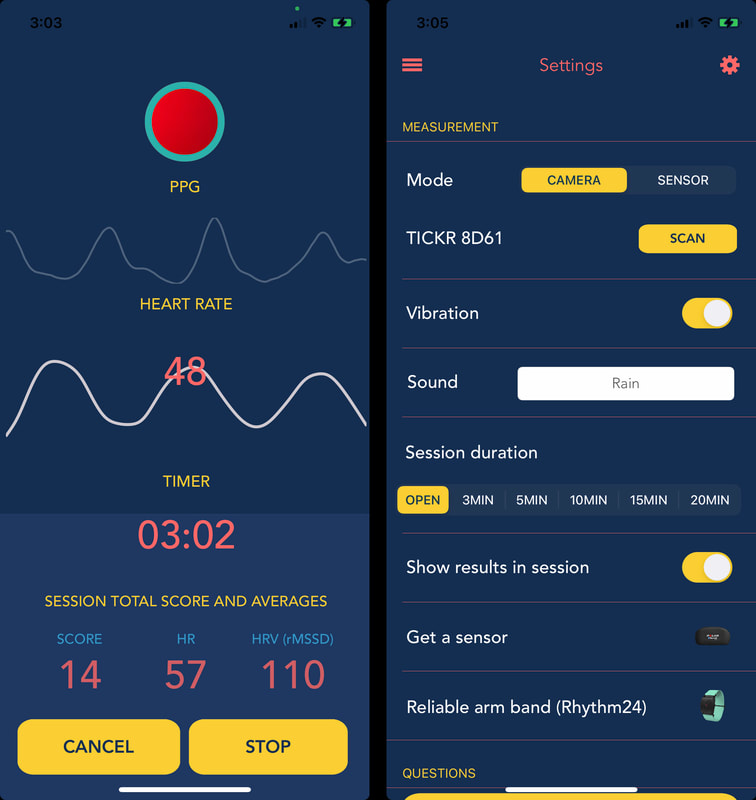
HRV biofeedback training is a method that uses real-time feedback to help you regulate your heart rate variability through controlled breathing and relaxation techniques. This process involves measuring your HRV using a sensor (like a chest strap or wearable device) and displaying the data on a screen or app. As you breathe at a specific rate—often called your "resonance frequency"—you can see how your HRV changes in response.
The goal is to train your body to achieve a state of coherence, where your heart rate and breathing are synchronized, and your parasympathetic nervous system is activated. This leads to reduced stress, improved focus, and better emotional regulation.
The Science Behind HRV Biofeedback
Research has shown that HRV biofeedback can have significant physiological and psychological benefits. A 2023 systematic review published in Applied Psychophysiology and Biofeedback found that regular practice leads to:
- Increased resting HRV (especially in metrics like RMSSD and HF power)
- Reduced symptoms of anxiety and depression
- Improved cognitive performance
- Better stress recovery
One of the key mechanisms behind HRV biofeedback is respiratory sinus arrhythmia (RSA)—the natural variation in heart rate that occurs with breathing. When you breathe at your resonance frequency (typically 4.5 to 6.5 breaths per minute), your HRV increases, and your body enters a state of balance and calm.
Finding Your Resonance Frequency

To get the most out of HRV biofeedback, it's essential to find your personal resonance frequency. This is the breathing rate that maximizes your HRV. Here’s how you can do it:
- Start with a baseline: Measure your HRV while breathing normally for 2 minutes.
- Test different rates: Breathe at various rates (e.g., 4.5, 5.0, 5.5, 6.0, 6.5 breaths per minute) for 2–3 minutes each.
- Identify your peak: Your resonance frequency is the rate that produces the highest HRV amplitude.
- Confirm consistency: Repeat the test on multiple days to ensure accuracy.
Many HRV biofeedback apps include built-in tools to help you find your resonance frequency quickly and easily.
How to Practice HRV Biofeedback
Here’s a simple protocol to get started:
- Find a quiet space where you won’t be interrupted.
- Sit comfortably with good posture or lie down.
- Apply your heart rate sensor (chest strap or finger sensor).
- Open your biofeedback app and start the session.
- Follow the breathing pacer at your resonance frequency.
- Watch your HRV feedback and try to maximize the oscillations.
- Practice for 10–20 minutes per session.
Tips for success:
- Breathe through your nose when possible—it activates the parasympathetic system more effectively.
- Use diaphragmatic breathing (let your belly expand on the inhale).
- Keep your breathing smooth and effortless—avoid forcing it.
- Aim for equal inhale and exhale durations initially, then adjust as needed.
Benefits of HRV Biofeedback Training
Regular practice of HRV biofeedback can lead to a wide range of benefits, including:
- Stress reduction: By activating the parasympathetic nervous system, HRV biofeedback helps you relax and recover faster from stress.
- Improved mental clarity: Enhanced HRV is linked to better focus, decision-making, and cognitive performance.
- Better sleep: Practicing HRV biofeedback before bed can promote deeper, more restful sleep.
- Enhanced athletic performance: Athletes use HRV biofeedback to optimize recovery and improve endurance.
- Emotional regulation: Learning to control your HRV can help manage anxiety, mood swings, and emotional reactivity.
Best HRV Biofeedback Apps and Devices
Several apps and devices are designed to make HRV biofeedback accessible and effective:
Top HRV Biofeedback Apps
- HRV4Biofeedback: Uses your phone's camera to measure HRV without extra hardware.
- Elite HRV: Offers both morning readiness measurements and biofeedback training.
- HeartMath Inner Balance: Provides "coherence" training with a proprietary ear sensor.
- Optimal HRV: Designed for detailed analysis and professional-grade features.
Best Devices for HRV Biofeedback
- Garmin HRM-600: Excellent accuracy with Bluetooth connectivity.
- Polar H10: Widely regarded as the most accurate consumer heart rate monitor.
- HeartMath Inner Balance Sensor: A clip-on ear sensor designed specifically for HRV biofeedback.
For serious training, we recommend using a chest strap paired with a dedicated app rather than relying solely on wrist-based sensors.
Common Mistakes and How to Avoid Them

While HRV biofeedback is highly effective, there are some common pitfalls to avoid:
- Trying to force it: Tension and overexertion can activate the sympathetic nervous system, counteracting the benefits.
- Inconsistent practice: Results require regular sessions—sporadic practice won’t produce lasting changes.
- Using the wrong breathing rate: Not finding your personal resonance frequency limits the effectiveness of the training.
- Poor sensor placement: Inaccurate readings lead to misleading feedback.
- Expecting immediate results: Significant improvements in HRV typically take 4–6 weeks of consistent practice.
Measuring Your Progress
To track your progress, consider monitoring the following:
- During sessions: Peak HRV amplitude and coherence score.
- Baseline changes: Morning HRV, resting heart rate, and HRV recovery time.
- Subjective measures: Perceived stress levels, sleep quality, and energy levels.
By consistently tracking these metrics, you can see how your body responds to training and make adjustments as needed.
Integrating HRV Biofeedback with Other Practices
HRV biofeedback works well with other wellness practices. Consider combining it with:
- Morning HRV tracking to assess baseline changes.
- Breathing exercises to reinforce techniques learned during training.
- Meditation for enhanced mental clarity and relaxation.
- Cold exposure to practice maintaining parasympathetic activation.
- Sleep optimization to improve overnight recovery.
These synergistic approaches can amplify the benefits of HRV biofeedback and support long-term health.
The Bottom Line
HRV biofeedback training is a powerful, science-backed tool for improving your health, resilience, and overall well-being. By learning to regulate your heart rate variability through real-time feedback, you can reduce stress, enhance focus, and build a stronger, more balanced nervous system.
Whether you're an athlete, a busy professional, or someone looking to improve your mental and physical health, HRV biofeedback offers a practical and effective way to take control of your body’s natural rhythms. Start with a simple setup, commit to daily practice, and watch as your HRV—and your life—improve over time.
Your nervous system is trainable. HRV biofeedback is how you train it.

Post a Comment for "What Is HRV Biofeedback Training and How Can It Benefit You?"
Post a Comment