What Is a Heart Rate Zone 2 Workout and How Can It Benefit You?
If you’ve ever felt the burn of a high-intensity workout, you might have wondered if there’s a smarter way to train. Enter heart rate zone 2 workouts—low-intensity, steady-state exercises that are gaining traction for their ability to improve endurance, boost mitochondrial health, and even enhance mental clarity. Whether you're a seasoned athlete or just starting out, understanding what zone 2 is and how it can benefit your fitness journey is key to unlocking long-term results.
Understanding Heart Rate Zones
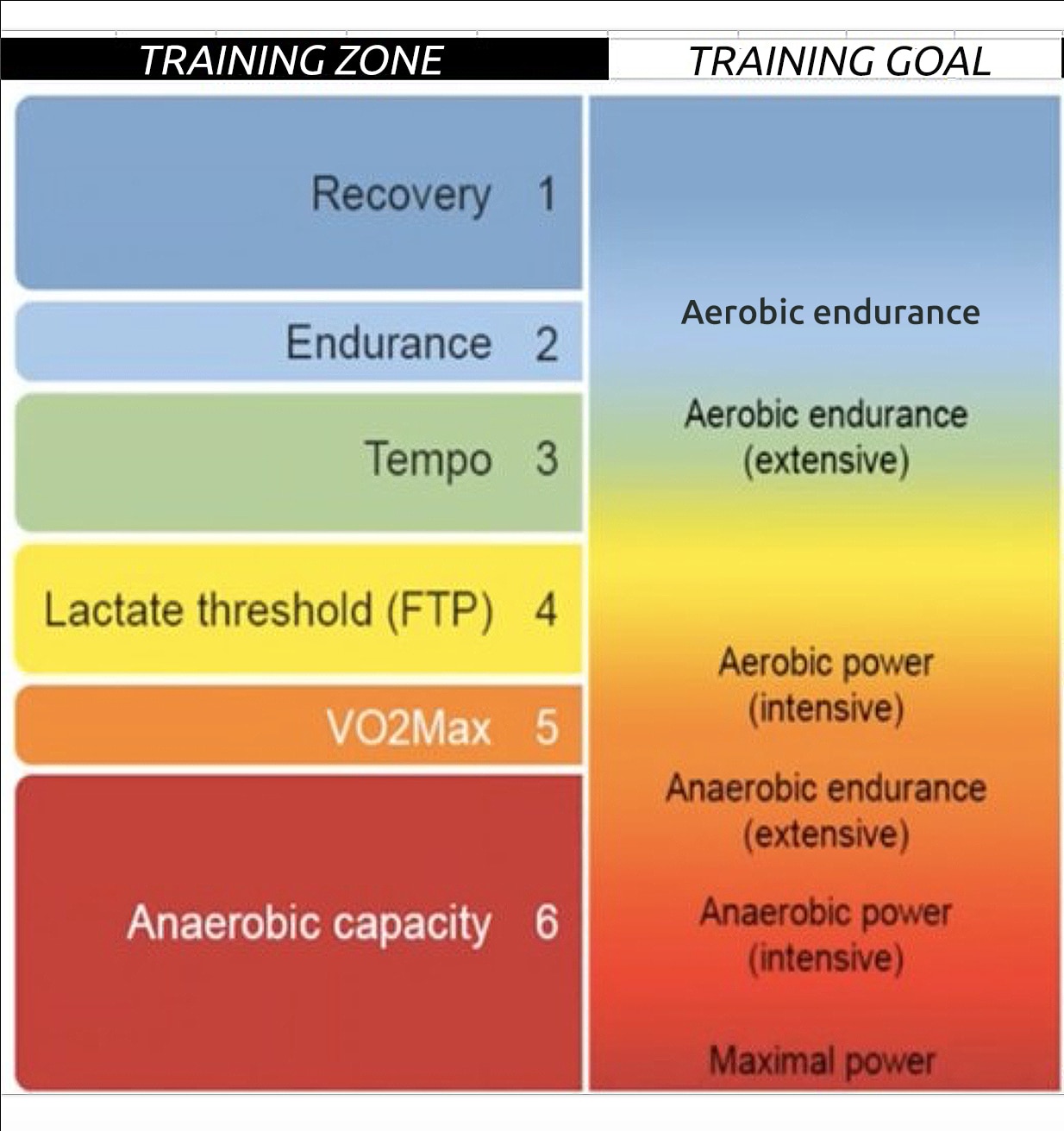
Heart rate zones are a way to measure the intensity of your exercise based on your maximum heart rate (MHR). These zones help you tailor your workouts to achieve specific goals, whether it's building endurance, improving speed, or boosting overall health. Zone 2 falls in the middle of this spectrum, typically ranging from 60% to 70% of your MHR. This range is often described as "conversational" because you should be able to hold a conversation without gasping for breath.
The Science Behind Zone 2
Zone 2 training is particularly beneficial for your mitochondria—the tiny powerhouses inside your cells responsible for producing energy. By consistently working at this moderate intensity, you stimulate your mitochondria to become more efficient and increase their numbers. This leads to better energy production, which translates into improved endurance and recovery.
Moreover, zone 2 workouts help your body become more efficient at burning fat for fuel. This not only aids in weight management but also supports cardiovascular health by reducing the strain on your heart and improving blood flow.
Benefits of Zone 2 Workouts
1. Enhances Endurance
For athletes, especially those involved in endurance sports like running or cycling, zone 2 training is essential. It helps build a strong aerobic base, allowing you to go longer and faster without fatigue. Elite athletes often spend a significant portion of their training in zone 2, as it lays the foundation for higher-intensity workouts.
2. Improves Cardiovascular Health
Regular zone 2 workouts strengthen your heart and improve its efficiency. As your heart becomes more efficient, it can pump more blood with each beat, reducing your resting heart rate and lowering the risk of cardiovascular diseases.
3. Boosts Recovery
Zone 2 workouts are gentle on the body, making them ideal for active recovery. They promote blood circulation, which helps deliver nutrients to muscles and speeds up the recovery process after intense workouts.
4. Supports Mental Well-being
Many people find that zone 2 workouts offer a meditative quality, allowing them to clear their minds and reduce stress. The steady pace and rhythmic movement can be calming, making it an excellent choice for those looking to improve their mental health.
5. Increases Mitochondrial Density
As mentioned earlier, zone 2 training stimulates the growth of mitochondria. This not only enhances your energy production but also contributes to longevity and overall cellular health.
How to Identify Zone 2

Determining your zone 2 heart rate is crucial for maximizing the benefits of your workouts. Here are some methods to help you find your target range:
1. Use the Talk Test
If you can hold a conversation without gasping for breath, you’re likely in zone 2. This simple test is a great way to gauge your intensity without any equipment.
2. Calculate Your Maximum Heart Rate
A common formula to estimate your MHR is 220 minus your age. For example, if you're 30, your MHR would be around 190. Zone 2 would then be between 114 and 133 beats per minute.
3. Use a Fitness Tracker
Modern fitness trackers can monitor your heart rate in real-time, making it easy to stay within your zone 2 range. This is especially useful for those who want to track their progress over time.
4. Consider the Maffetone Formula
Developed by Phil Maffetone, this formula adjusts your target heart rate based on your fitness level and health history. It provides a more personalized approach to determining your zone 2 range.
Incorporating Zone 2 into Your Routine

Adding zone 2 workouts to your routine doesn't require a complete overhaul of your current regimen. Here are some practical tips to get started:
1. Start Small
If you're new to zone 2, begin with shorter sessions and gradually increase the duration. Aim for at least 30 minutes of low-intensity exercise, three times a week.
2. Choose Activities You Enjoy
Whether it's walking, cycling, or swimming, pick activities that you enjoy. This will make it easier to stick with your routine and stay motivated.
3. Mix It Up
To keep your workouts interesting, vary your activities. Try different types of cardio, such as rowing, elliptical training, or even yoga, to keep your body engaged and challenged.
4. Focus on Consistency
Consistency is key when it comes to zone 2 training. Aim to incorporate these workouts into your weekly schedule, even if it's just for a short period each day.
5. Combine with Other Training
While zone 2 is beneficial on its own, it's also important to include other forms of training, such as strength training and high-intensity interval training (HIIT), to create a well-rounded fitness program.
Common Misconceptions About Zone 2

Despite its many benefits, zone 2 training is often misunderstood. Here are a few common misconceptions:
1. Zone 2 Is Too Slow
Many people believe that zone 2 is too slow to be effective. However, the science behind it shows that it's incredibly beneficial for building a strong aerobic base and improving overall health.
2. Zone 2 Won’t Help With Strength
Some think that zone 2 won't contribute to strength gains. In reality, it supports recovery and can enhance your performance in other areas of training by improving your body's ability to utilize energy efficiently.
3. Zone 2 Is Only for Endurance Athletes
While endurance athletes often benefit greatly from zone 2 training, it's also valuable for anyone looking to improve their overall fitness and health. It's a versatile tool that can be adapted to suit various fitness levels and goals.
Conclusion
Heart rate zone 2 workouts offer a multitude of benefits that extend beyond just physical fitness. From enhancing endurance and improving cardiovascular health to supporting mental well-being and increasing mitochondrial density, zone 2 training is a powerful tool for anyone looking to achieve long-term health and wellness. By understanding how to identify and incorporate zone 2 into your routine, you can unlock a new level of performance and vitality. So, take the time to explore this training method and discover the transformative effects it can have on your life.

Post a Comment for "What Is a Heart Rate Zone 2 Workout and How Can It Benefit You?"
Post a Comment