What Is a Full Spectrum Light Therapy Device and How Does It Work?
If you’ve ever wondered why some people use light therapy devices or what they actually do, you’re not alone. In an age where health and wellness are top priorities, full spectrum light therapy devices have become increasingly popular for their ability to address a range of physical and mental health concerns. But what exactly is a full spectrum light therapy device, and how does it work? This article will break down the science behind these devices, explain their benefits, and help you understand why they might be a valuable addition to your wellness routine.
Understanding the Science Behind Full Spectrum Light Therapy
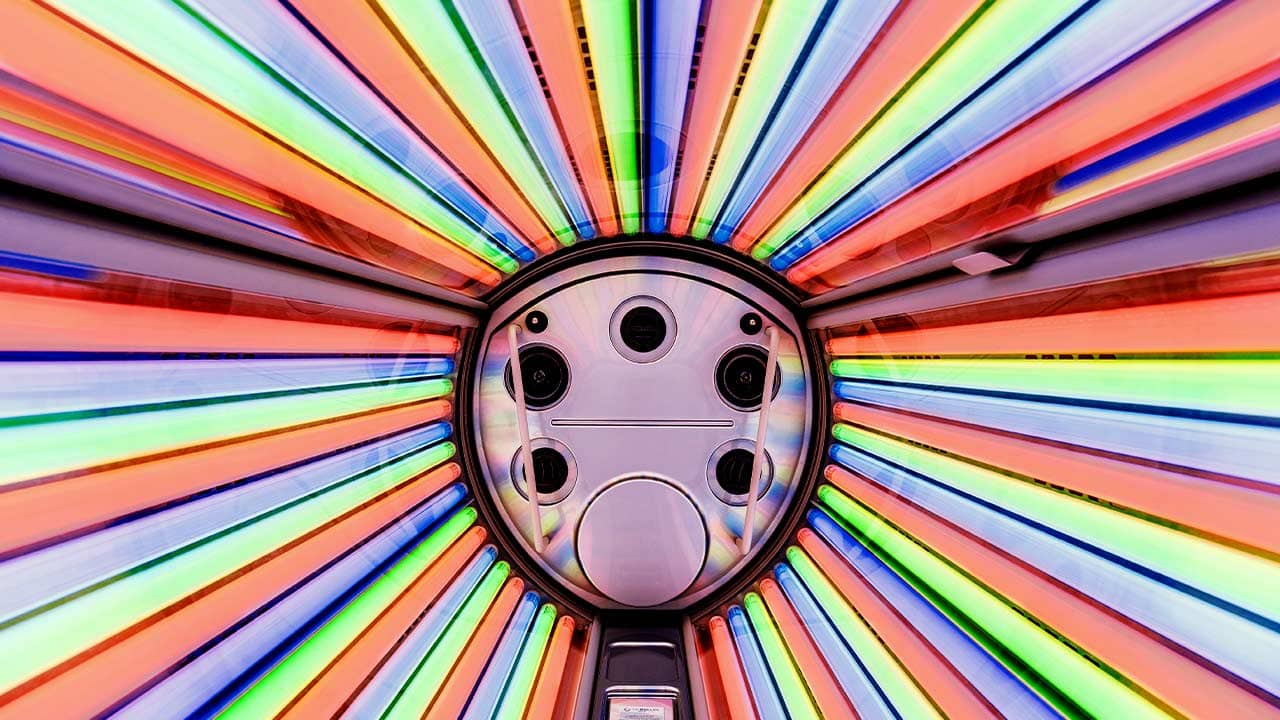
At its core, full spectrum light therapy involves the use of light in various wavelengths to promote healing and improve overall well-being. Unlike traditional light sources that emit a broad range of wavelengths, including harmful ultraviolet (UV) radiation, full spectrum light therapy devices are designed to deliver only the specific wavelengths known to have therapeutic effects.
These devices typically emit light in the red, blue, green, and near-infrared ranges. Each of these wavelengths interacts with the body in unique ways:
- Red light is known for its ability to penetrate deep into the skin and tissues, stimulating cellular repair and reducing inflammation.
- Blue light is effective at targeting acne-causing bacteria and can also help regulate circadian rhythms.
- Green light promotes improved circulation and aids in tissue repair.
- Near-infrared light penetrates even deeper than red light and is particularly beneficial for muscle and joint pain relief.
By combining these different wavelengths, full spectrum light therapy devices offer a more comprehensive approach to treatment compared to single-wavelength devices.
The Difference Between Sunlight and Full Spectrum Light Therapy
One of the most common misconceptions about light therapy is that it’s just a more intense version of sunlight. However, this isn’t entirely accurate. While sunlight does contain beneficial wavelengths, it also includes harmful UV radiation that can damage the skin and increase the risk of skin cancer.
Full spectrum light therapy devices, on the other hand, are engineered to eliminate harmful UV rays while delivering the precise wavelengths needed for therapeutic effects. This makes them a safer and more targeted option for those seeking the benefits of light therapy without the risks associated with prolonged sun exposure.
For example, sunlight contains only a small fraction of the red and near-infrared light that is known to stimulate collagen production and reduce inflammation. To achieve the same therapeutic effect through natural sunlight, you would need to spend hours in the sun, which could lead to significant skin damage over time.
How Full Spectrum Light Therapy Works
The mechanism behind full spectrum light therapy is rooted in a process called photobiomodulation. When light from the device is absorbed by the skin, it interacts with the mitochondria within cells—often referred to as the "powerhouses" of the cell. This interaction increases the production of ATP (adenosine triphosphate), the energy molecule that cells use to function and repair themselves.
As ATP production increases, cells can heal faster, reduce inflammation, and improve overall function. This process is particularly beneficial for conditions such as:
- Pain relief: Red and near-infrared light can penetrate deep into muscles and joints, helping to reduce pain and stiffness.
- Wound healing: Green light has been shown to enhance tissue repair and accelerate the healing of wounds.
- Skin health: Blue light targets acne-causing bacteria, while red light stimulates collagen production for healthier, more youthful skin.
- Mood improvement: Light therapy can help regulate circadian rhythms and alleviate symptoms of seasonal affective disorder (SAD).
Benefits of Using a Full Spectrum Light Therapy Device
There are numerous benefits to using a full spectrum light therapy device, making it a popular choice for both home and professional use. Some of the key advantages include:
- Non-invasive and drug-free: Unlike traditional treatments that may involve medications or surgery, light therapy offers a natural, non-invasive alternative.
- Safe and effective: High-quality devices are designed to be 100% UV-free, ensuring that users receive only the therapeutic wavelengths without the risk of skin damage.
- Versatile: These devices can be used to address a wide range of health concerns, from pain management to skin rejuvenation and mood improvement.
- Convenient: Many devices are compact and easy to use, allowing for daily sessions that fit into busy lifestyles.
Whether you're looking to reduce chronic pain, improve your skin's appearance, or boost your mood during the darker months, a full spectrum light therapy device can provide a safe and effective solution.
Choosing the Right Full Spectrum Light Therapy Device
When selecting a full spectrum light therapy device, there are several factors to consider to ensure you get the best results:
- Wavelengths offered: Look for a device that includes a combination of red, blue, green, and near-infrared light to maximize therapeutic benefits.
- Intensity and coverage: The device should emit light at a sufficient intensity (typically around 10,000 lux) and cover a large enough area to ensure even exposure.
- Safety features: Choose a device that is certified by reputable organizations, such as the FDA, to ensure quality and safety.
- Ease of use: Opt for a device that is user-friendly, with adjustable settings and convenient features like timers or dimming options.
Some of the most popular models on the market include the Verilux HappyLight, Northern Light Technologies Boxelite, and Lumie Mini, each offering unique features to suit different needs.
Real-Life Applications and Success Stories
Many individuals have reported significant improvements in their health and well-being after incorporating full spectrum light therapy into their routines. For example:
- Chronic pain sufferers have found relief from joint and muscle pain through regular use of red and near-infrared light.
- Acne patients have seen clearer skin after using blue light therapy to target bacteria and reduce inflammation.
- Individuals with seasonal depression have experienced improved mood and energy levels by simulating natural sunlight during the winter months.
These real-world applications highlight the versatility and effectiveness of full spectrum light therapy devices in addressing a variety of health concerns.
Conclusion
Full spectrum light therapy devices offer a powerful, non-invasive way to support your health and wellness. By delivering precise wavelengths of light that stimulate cellular repair, reduce inflammation, and improve mood, these devices can be a valuable tool for anyone looking to enhance their quality of life. Whether you're dealing with chronic pain, skin issues, or seasonal depression, a full spectrum light therapy device can provide the therapeutic benefits you need without the risks associated with traditional treatments.
As with any health-related decision, it’s important to consult with a healthcare professional before starting a new treatment. However, for those seeking a safe, effective, and natural alternative, full spectrum light therapy is definitely worth considering.

Post a Comment for "What Is a Full Spectrum Light Therapy Device and How Does It Work?"
Post a Comment