What Are Hair Growth Peptide Complexes and How Do They Work?
Hair growth peptide complexes have become a hot topic in the world of skincare and hair care, promising to address one of the most common concerns: hair loss. Whether you're experiencing thinning hair or want to maintain a healthy scalp, understanding what these complexes are and how they work can be incredibly valuable. In this article, we’ll explore the science behind hair growth peptides, their mechanisms of action, and how they compare to traditional treatments. We’ll also look at some of the most promising options available today.
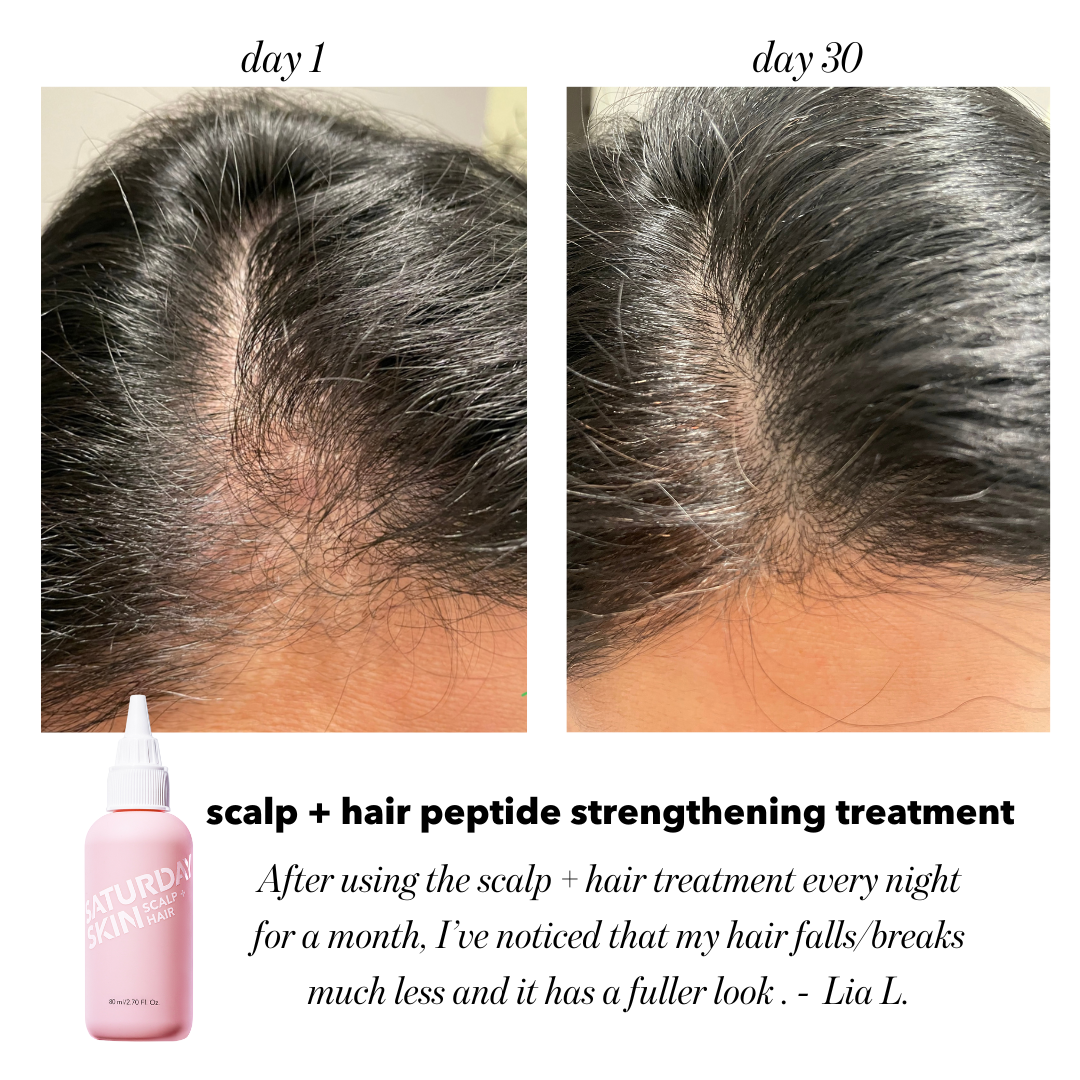
Understanding Hair Growth Peptide Complexes

At their core, hair growth peptide complexes are formulations that contain short chains of amino acids—known as peptides—that act as signaling molecules in the body. These peptides are designed to interact with hair follicles, stimulating biological processes that can support hair growth and improve overall scalp health.
Unlike traditional treatments like minoxidil or finasteride, which often target specific hormones or pathways, peptides take a more holistic approach. They can influence multiple aspects of hair follicle biology, including:
- Stem cell activity: Some peptides help reactivate dormant hair follicle stem cells.
- Growth factor signaling: Peptides can enhance the production of growth factors that promote hair growth.
- Inflammation control: Certain peptides reduce inflammation around hair follicles, creating a healthier environment for growth.
- Blood flow improvement: By enhancing microcirculation, peptides can deliver more nutrients to the scalp and follicles.
These mechanisms make peptides an attractive option for those looking for a natural, multi-faceted approach to hair regrowth.
The Science Behind Hair Follicles
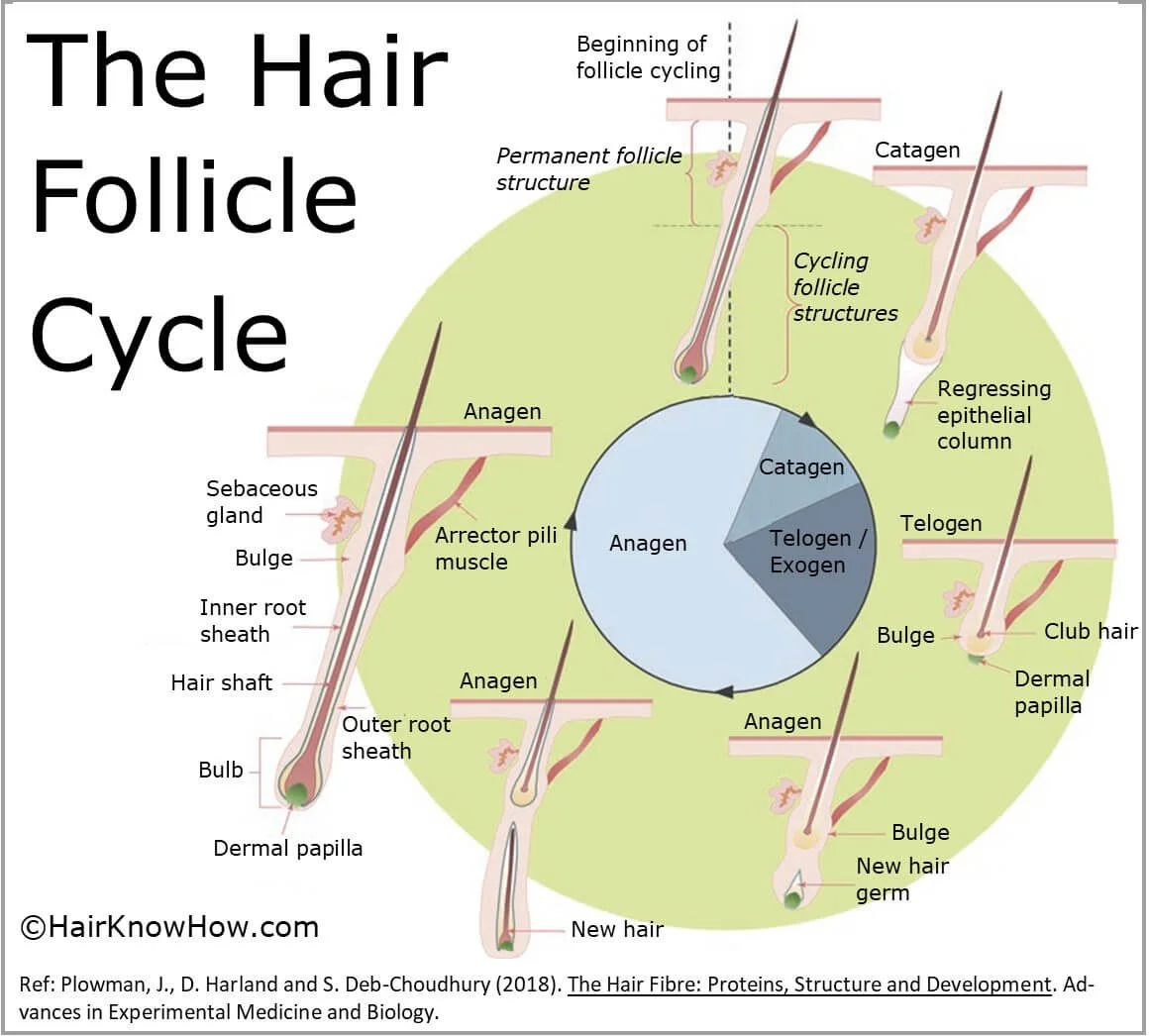
To understand how peptides work, it's helpful to first grasp how hair follicles function. Hair grows in cycles, consisting of three main phases:
- Anagen (growth phase): This is the active growth phase, during which the hair follicle produces new hair.
- Catagen (transition phase): The follicle shrinks and detaches from the blood supply.
- Telogen (resting phase): The follicle rests before shedding the hair and beginning a new cycle.
Androgenetic alopecia, or male pattern baldness, disrupts this cycle when dihydrotestosterone (DHT) binds to androgen receptors on dermal papilla cells. This leads to follicle miniaturization, resulting in thinner hair and increased shedding over time.
Peptides can help counteract this process by supporting the follicle’s natural ability to regenerate. For example, they may stimulate the production of vascular endothelial growth factor (VEGF) and hepatocyte growth factor (HGF), both of which play key roles in promoting hair growth.
Popular Hair Growth Peptide Complexes
Several types of peptides have shown promise in supporting hair growth. Here are a few of the most well-researched options:
1. Copper Peptides (GHK-Cu)
Copper peptides, particularly GHK-Cu, are among the most studied for their potential to support hair growth. They work by stimulating dermal papilla cells to produce VEGF and HGF, which enhance nutrient delivery and follicle growth. Clinical studies have shown that copper peptides can increase hair density by up to 27% after six months of use.
2. PP405
PP405 targets a metabolic switch linked to follicle stem cell dormancy. It works by inhibiting the mitochondrial pyruvate carrier, which shifts cellular metabolism toward lactate production and helps reactivate dormant follicle stem cells. Phase 2 clinical trials have shown that PP405 can lead to a 31% increase in hair density in some cases.
3. APN5
APN5 is a pentapeptide that activates adiponectin receptor 1 on dermal papilla cells. Research suggests that it may help improve hair growth by promoting AMPK signaling and telogen-to-anagen transition.
4. BPC-157
BPC-157 is known for its regenerative properties. While primarily studied for tissue repair, it has also shown potential in supporting hair growth by reducing inflammation and improving microcirculation around miniaturizing follicles.
5. AIMP1-Derived Peptides
AIMP1-derived peptides, such as TN41, have been shown to activate dermal papilla cells through Akt and ERK signaling, increasing β-catenin accumulation. This can help stimulate hair growth and improve the overall health of the follicle.
How Peptides Compare to Traditional Treatments
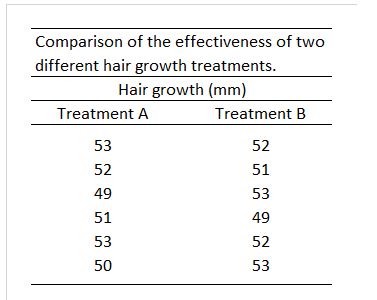
When compared to traditional treatments like minoxidil and finasteride, peptides offer several advantages:
- Fewer systemic side effects: Many peptide-based treatments are localized to the scalp, reducing the risk of systemic absorption.
- Multi-pathway action: Peptides can target multiple biological pathways, offering a more comprehensive approach to hair growth.
- No gender restrictions: Unlike finasteride, which is not recommended for women of childbearing age, many peptides are safe for both men and women.
However, it's important to note that peptides may not be as effective as prescription medications for severe hair loss. They are often best used in combination with other treatments.
Delivery Systems That Enhance Effectiveness

The effectiveness of peptide-based treatments depends not only on the ingredients but also on the delivery system. Several advanced delivery methods have been developed to ensure that peptides reach the hair follicles efficiently:
- Ionic liquid microemulsions: These systems improve solubility and permeability, allowing for better absorption of peptides.
- Microneedle arrays: These arrays can deliver active compounds directly to the follicles, enhancing their effectiveness.
- Nanoparticle systems: Solid lipid nanoparticles and nanostructured lipid carriers (NLCs) facilitate follicular penetration and sustained release.
These delivery systems play a crucial role in maximizing the benefits of hair growth peptide complexes.
Safety and Considerations

While peptides are generally considered safe, there are some considerations to keep in mind:
- Mild irritation: Topical use can cause mild redness, irritation, or dryness, especially if overused or combined with other irritating products.
- Copper content: Copper peptides should be avoided by individuals with copper-handling disorders, such as Wilson’s disease.
- Long-term data: Long-term safety and efficacy data are still limited for some newer peptide formulations, so ongoing monitoring is important.
It's always a good idea to consult with a healthcare provider before starting any new treatment, especially if you have underlying medical conditions.
Frequently Asked Questions

How long before peptides show hair regrowth results?
Most protocols take 8–24 weeks for visible changes. Copper peptides and procedure-based protocols often show measurable improvements over months of consistent use.
Can peptides regrow hair in completely bald areas?
Some peptides, like PP405, may reactivate dormant follicles, but they won't restore follicles destroyed by scarring alopecia.
Are peptide treatments better than minoxidil or finasteride?
Peptides are often positioned as having fewer systemic side effects and multi-pathway action, but their effectiveness can vary depending on the individual and the specific formulation.
Do peptides work for female pattern hair loss?
Yes, some data shows that peptides can be effective for female pattern hair loss, as they don’t carry the same pregnancy-related restrictions as finasteride.
Conclusion
Hair growth peptide complexes represent a promising advancement in the field of hair care, offering a natural, multi-faceted approach to addressing hair loss. By targeting various aspects of hair follicle biology, these complexes can support regrowth, improve scalp health, and create a more favorable environment for hair growth. While they may not replace traditional treatments entirely, they can serve as a valuable complement, especially for those seeking a safer, more holistic option.
Whether you're dealing with early thinning or looking to maintain a healthy scalp, understanding the science behind hair growth peptides can empower you to make informed decisions about your hair care routine. As research continues to evolve, the future of hair regrowth looks increasingly bright.

Post a Comment for "What Are Hair Growth Peptide Complexes and How Do They Work?"
Post a Comment