Understanding the Health Impact of Microplastics on Humans and the Environment
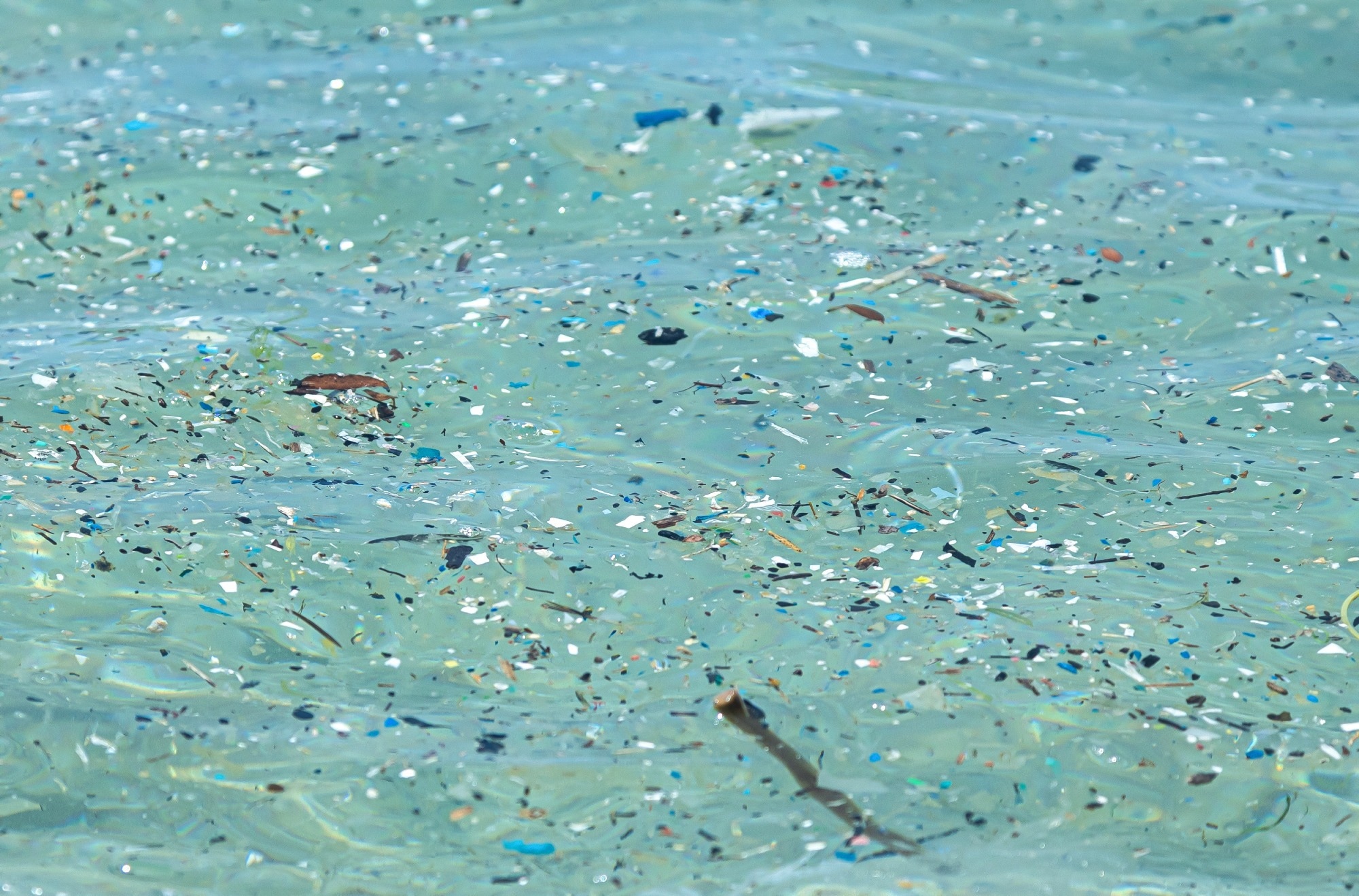
Microplastics—tiny plastic fragments smaller than 5 millimeters—are no longer just a concern for the environment. They’ve made their way into our bodies, raising serious questions about their long-term health effects. From the water we drink to the air we breathe, microplastics are everywhere, and their impact is increasingly difficult to ignore. This article explores what we know about the health effects of microplastics, how they enter our bodies, and what steps you can take to reduce your exposure.
What Are Microplastics?

Microplastics come in two forms: primary and secondary. Primary microplastics are manufactured at a small size, such as microbeads in cosmetics or industrial abrasives. Secondary microplastics result from the breakdown of larger plastic items like bottles, bags, and synthetic fabrics. Over time, these plastics fragment into smaller pieces due to weathering, UV radiation, and mechanical stress.
The most common types found in human tissues include polyethylene (PE), polypropylene (PP), polystyrene (PS), and polyvinyl chloride (PVC). These materials are used in everything from food packaging to clothing, making it nearly impossible to avoid them entirely.
How Do Microplastics Enter the Human Body?

There are three primary pathways through which microplastics enter our bodies:
-
Ingestion: The most significant route of exposure comes through food and water. A 2024 study found that humans ingest between 39,000 and 193,000 microplastic particles annually, with drinking water being a major source. Bottled water often contains more microplastics than tap water, likely due to plastic bottle degradation.
-
Inhalation: Airborne microplastics, especially from synthetic textiles and household plastics, can be inhaled. A 2023 study found that disposable surgical masks release microplastic fibers during normal breathing.
-
Skin Contact: While less common, microplastics can penetrate the skin through damaged areas or hair follicles, particularly from cosmetics containing microbeads.
Where Do Microplastics Accumulate in the Body?
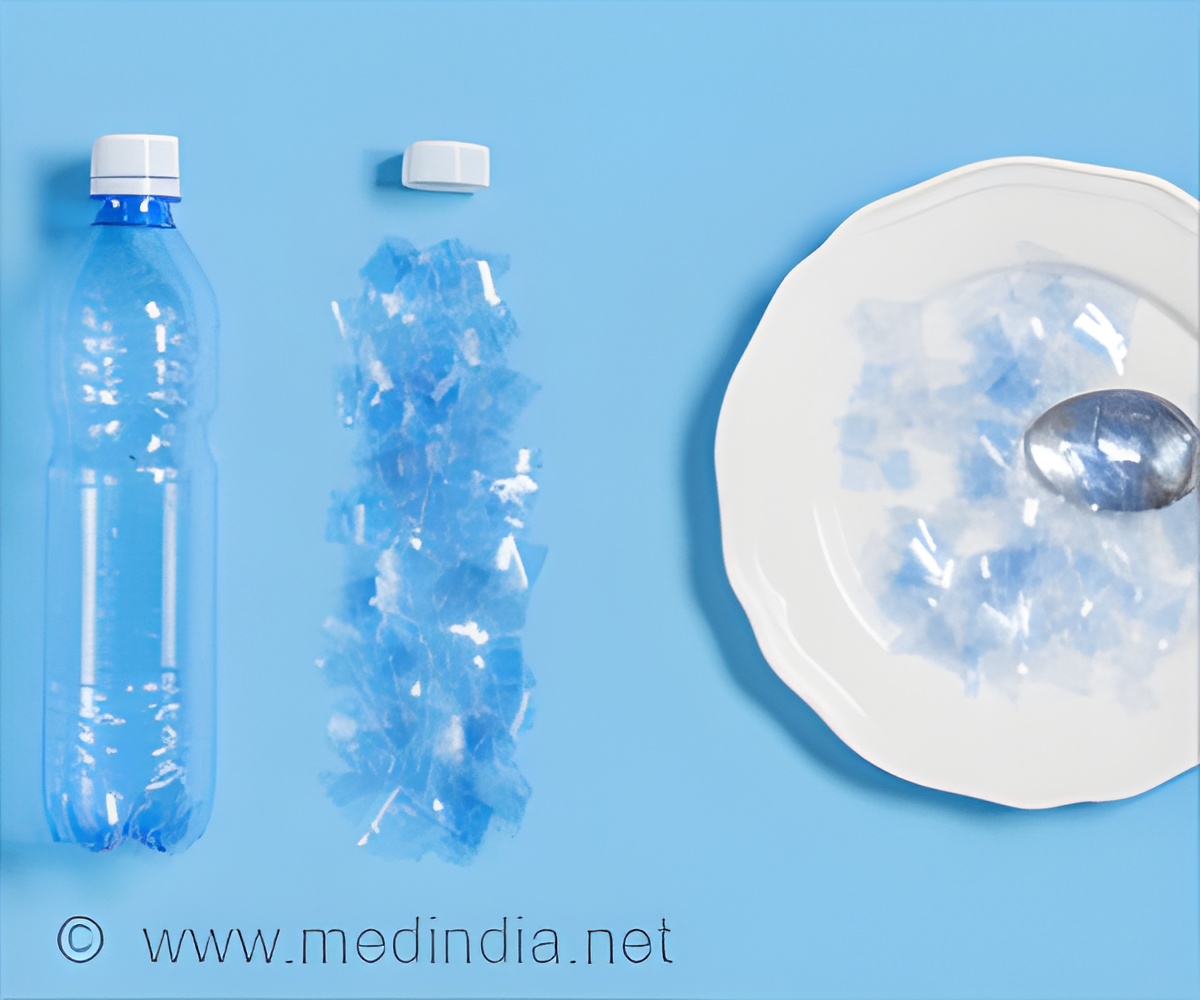
Once inside the body, microplastics don’t stay confined to one area. Research has shown that they can travel through the bloodstream and accumulate in various organs:
-
Blood and Circulatory System: A 2024 study found microplastics in 88.9% of blood samples tested, with an average concentration of 4.2 particles per milliliter.
-
Cardiovascular System: A landmark study in the New England Journal of Medicine linked microplastics in arterial plaques to a 4.5 times higher risk of heart attack, stroke, or death.
-
Brain and Nervous System: Microplastics have been detected in brain tissue, where they may contribute to oxidative stress and neuroinflammation. Some studies suggest a possible link to neurodegenerative diseases, though causation remains unproven.
-
Digestive System: The colon shows the highest concentration of microplastics, with an average of 28.1 particles per gram of tissue. This has raised concerns about inflammatory bowel disease and gut microbiome disruption.
-
Reproductive System: Microplastics have been found in placental tissue, amniotic fluid, and cord blood. A 2026 study found a correlation between high microplastic levels in the placenta and lower birth weight in newborns.
Health Effects of Microplastics
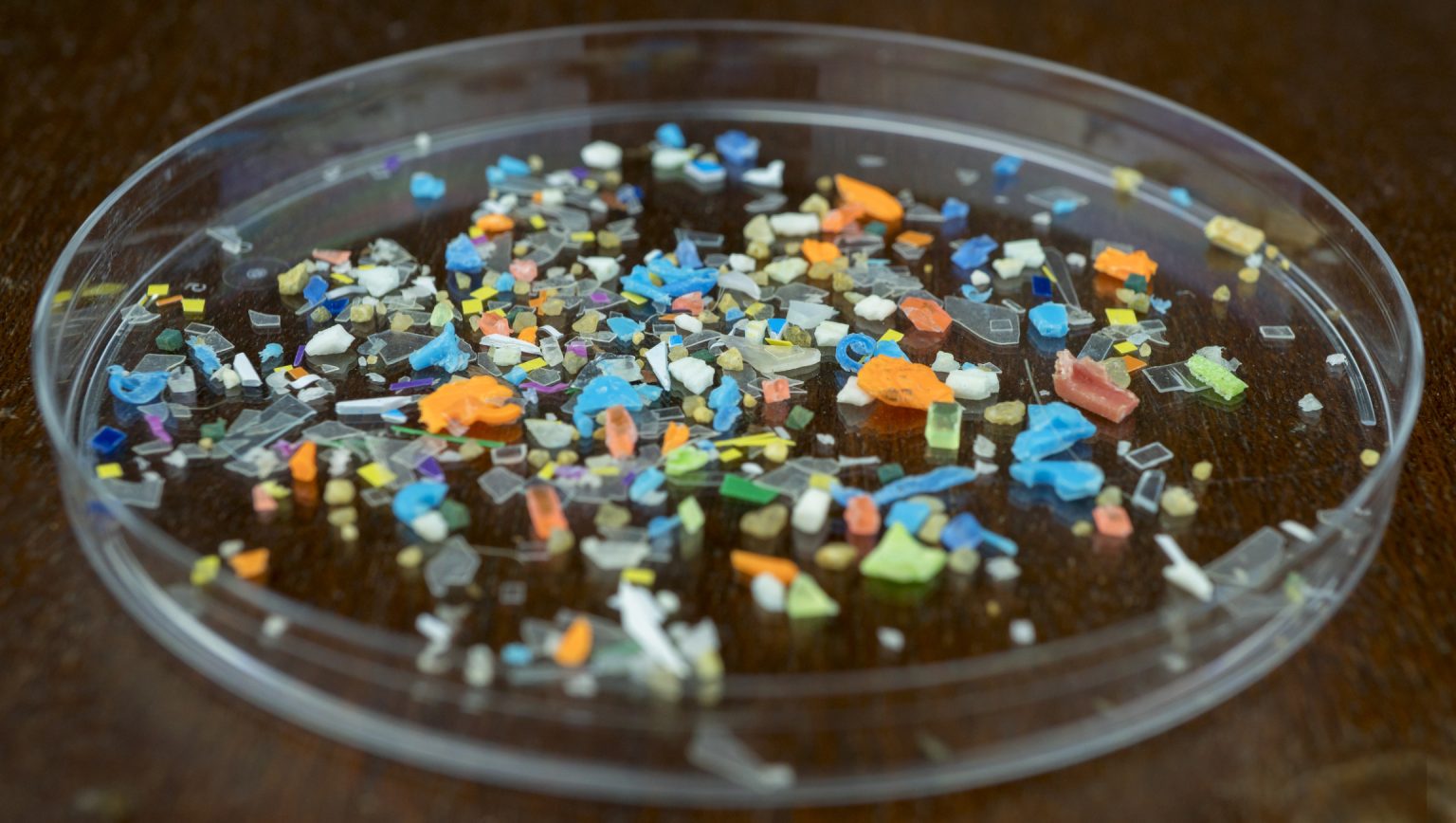
While the full extent of microplastics’ health impacts is still under investigation, several potential risks have been identified:
-
Cardiovascular Disease: Microplastics may contribute to endothelial damage, lipid metabolism disruption, and inflammation, all of which increase the risk of heart disease.
-
Neurological Damage: Studies suggest that microplastics can cross the blood-brain barrier, potentially leading to oxidative stress, neuroinflammation, and cognitive decline.
-
Reproductive and Developmental Harm: Exposure to microplastics during pregnancy has been associated with lower birth weights and developmental issues in infants. Animal studies also show that microplastics can interfere with hormone production and fetal growth.
-
Immune System Disruption: Microplastics may trigger immune responses, leading to chronic inflammation and potential autoimmune disorders.
Can You Remove Microplastics from Your Body?
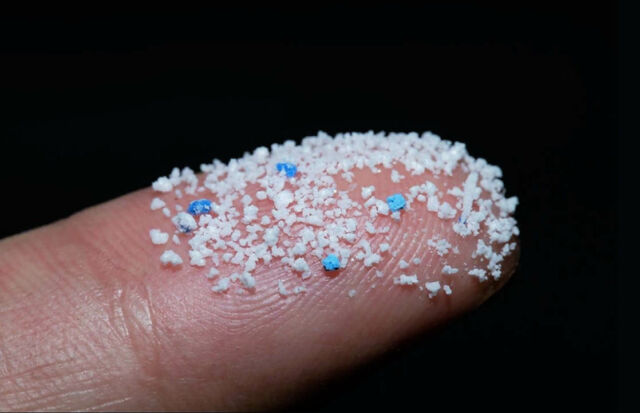
Currently, there is no proven method to remove microplastics that have already accumulated in the body. While some particles are naturally excreted through feces or sweat, many remain lodged in organs and tissues. Products marketed as “microplastic detoxes” lack scientific backing, and medical professionals advise caution against unproven claims.
The best approach is to focus on reducing exposure rather than trying to eliminate what’s already present.
Evidence-Based Strategies to Reduce Exposure
While it’s impossible to completely avoid microplastics, there are practical steps you can take to minimize your exposure:
1. Reduce Microplastics in Drinking Water
- Boil tap water for 5 minutes before filtering it through a stainless steel mesh or coffee filter. This removes up to 90% of microplastics in hard water areas.
- Use reverse osmosis or activated carbon filters certified for microplastic removal.
- Avoid bottled water in plastic containers.
2. Minimize Food Packaging Exposure
- Never microwave food in plastic containers. Use glass or ceramic instead.
- Wash fruits and vegetables thoroughly before eating.
- Choose products packaged in glass, paper, or metal whenever possible.
3. Limit Airborne Microplastics
- Use natural fiber clothing (cotton, wool) instead of synthetic fabrics.
- Vacuum regularly with a HEPA-filtered vacuum.
- Improve indoor ventilation.
4. Avoid Personal Care Products with Microbeads
- Check ingredient lists for polyethylene or polypropylene beads.
- Opt for products in glass containers when available.
Scientific Uncertainties and Limitations
Despite growing research, many questions remain unanswered:
- Causation vs. Correlation: Most studies show associations between microplastics and health issues, but not definitive cause-and-effect relationships.
- Dose-Response Relationships: Scientists have yet to determine safe exposure thresholds.
- Long-Term Data Gaps: Longitudinal studies tracking health outcomes over decades are lacking.
These uncertainties highlight the need for continued research and policy development.
The Path Forward
The presence of microplastics in the human body reflects a broader environmental crisis. As scientists work to understand the long-term effects, individuals can take proactive steps to reduce their exposure. However, systemic change—such as reducing plastic production and improving waste management—will be essential to addressing this issue at its root.
Until then, staying informed and making conscious choices about the products we use can help protect our health and the planet.

Post a Comment for "Understanding the Health Impact of Microplastics on Humans and the Environment"
Post a Comment