Understanding the Gut-Brain Connection and Its Impact on Mood
In a world where stress, anxiety, and mood disorders are increasingly common, it's easy to overlook the powerful link between our digestive system and mental well-being. Yet, emerging research reveals that this connection is far more significant than we once believed. The gut-brain connection, often referred to as the "second brain," plays a crucial role in regulating our emotions, cognitive function, and overall mental health. By understanding how the gut influences the brain—and vice versa—we can unlock new strategies for improving mood, reducing stress, and enhancing emotional resilience.
This article explores the science behind the gut-brain connection, the role of the gut microbiome, and practical steps you can take to support both your digestive and mental health. Whether you're dealing with daily stress, mood swings, or simply looking to improve your overall well-being, this guide will provide you with valuable insights and actionable tips.
The Science Behind the Gut-Brain Connection

The term "gut-brain connection" refers to the bidirectional communication network between the gastrointestinal tract and the central nervous system. This complex relationship is facilitated by the vagus nerve, a major component of the parasympathetic nervous system that acts as a neural highway between the gut and the brain. Through this pathway, the gut sends signals to the brain, influencing everything from mood regulation to stress responses.
At the heart of this connection is the gut microbiome—a vast community of bacteria, fungi, and other microorganisms that reside in the digestive tract. These microbes play a vital role in processing food, synthesizing essential nutrients, and regulating immune function. However, their influence extends far beyond digestion. Research has shown that a healthy gut microbiome can produce neurotransmitters like serotonin, which is often called the "feel-good" chemical. In fact, up to 90% of serotonin is produced in the gut, highlighting its critical role in mood stability.
When the gut microbiome is imbalanced, it can lead to a range of issues, including anxiety, depression, and even neurodegenerative conditions. This underscores the importance of maintaining a balanced gut ecosystem for optimal mental health.
How Stress Affects Digestion

Stress and digestion are deeply intertwined. When the body experiences stress, it activates the "fight-or-flight" response, diverting blood flow away from the digestive system and toward the muscles and brain. This shift can impair digestion, leading to symptoms such as bloating, cramping, and even irritable bowel syndrome (IBS). Over time, chronic stress can also disrupt the gut microbiome, reducing the population of beneficial bacteria and allowing harmful species to proliferate.
This disruption not only affects digestion but can also impact mood. Studies have found that individuals with chronic stress often experience heightened anxiety and depressive symptoms, which may be linked to changes in gut flora. By managing stress through mindfulness, exercise, and proper sleep, you can help maintain a healthy gut environment and, in turn, support emotional well-being.
A Closer Look at the Gut-Brain Health Diet

One of the most effective ways to support the gut-brain connection is through diet. A gut-brain health diet emphasizes whole, unprocessed foods that nourish both the digestive system and the brain. This includes:
- Fiber-rich foods like oats, legumes, and whole grains, which act as prebiotics, feeding the beneficial bacteria in the gut.
- Fermented foods such as yogurt, kefir, and sauerkraut, which introduce probiotics that help maintain a balanced microbiome.
- Antioxidant-rich foods like berries, leafy greens, and nuts, which combat inflammation and oxidative stress.
By incorporating these foods into your daily meals, you can create a strong foundation for both digestive and mental wellness. Additionally, staying hydrated and limiting processed foods, sugar, and artificial additives can further support a healthy gut environment.
Practical Strategies to Enhance the Gut-Brain Connection

- Mindful Eating: Pay attention to your meals, chew thoroughly, and avoid distractions. This helps optimize digestion and nutrient absorption, supporting both gut and brain health.
- Regular Physical Activity: Exercise improves circulation, promotes the growth of beneficial gut bacteria, and reduces systemic inflammation. Aim for at least 30 minutes of moderate activity most days of the week.
- Stress Reduction Techniques: Practices like meditation, deep breathing, and yoga can lower cortisol levels and support the gut-brain axis. Prioritize quality sleep, as it allows the body to repair and regenerate.
- Probiotic and Prebiotic Supplementation: While a balanced diet is essential, targeted supplementation can help restore microbial balance. Consult a healthcare provider to determine the best options for your needs.
Exploring the Mechanisms: From Digestion to Emotion
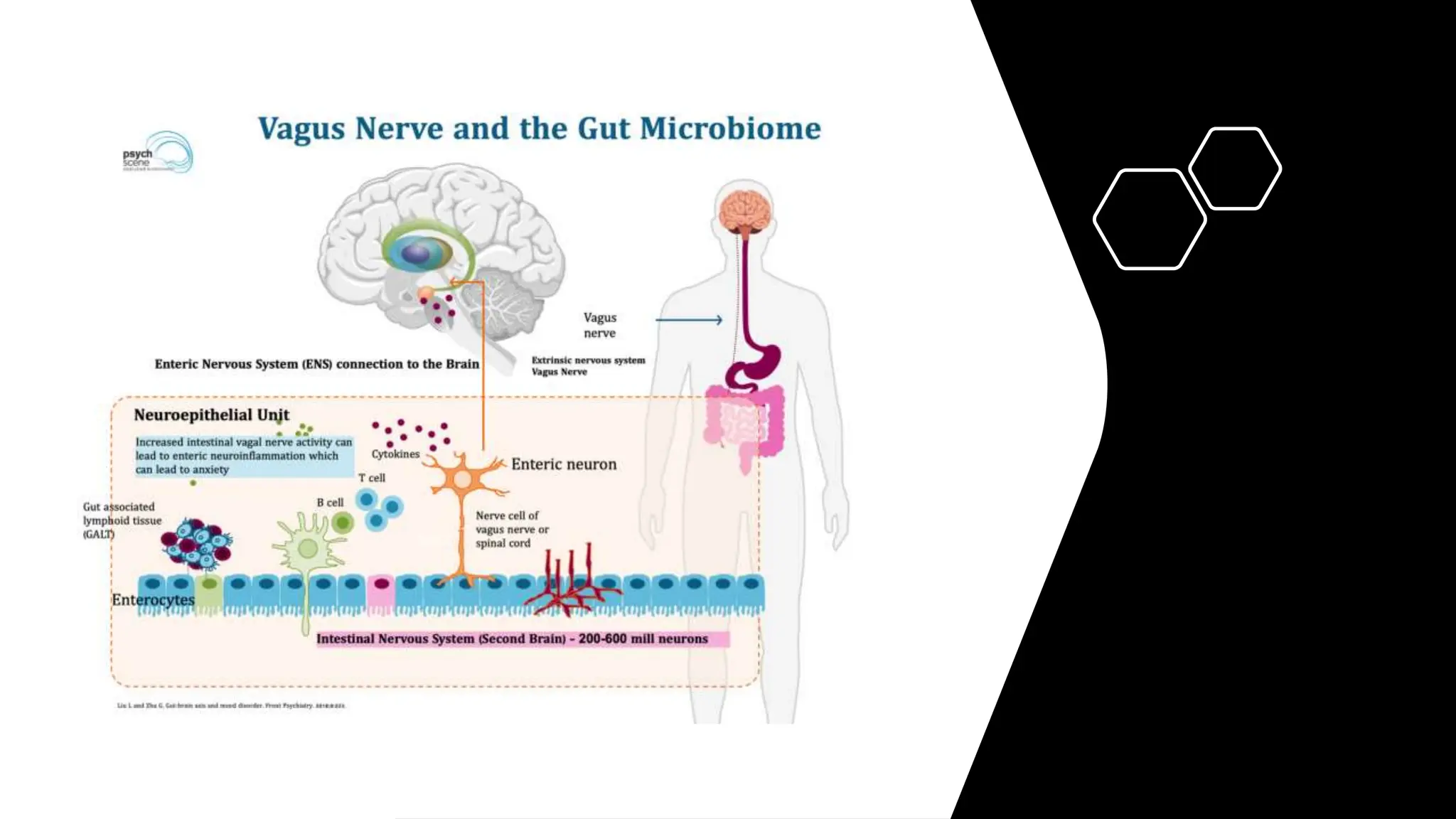
The gut-brain connection operates through multiple pathways, including the vagus nerve, the immune system, and the production of neurotransmitters. For example, the gut produces serotonin, which is crucial for mood regulation. When the gut microbiome is imbalanced, serotonin production can be disrupted, leading to mood disturbances.
Additionally, the gut communicates with the brain through inflammatory signals. Chronic inflammation in the gut can trigger systemic inflammation, which has been linked to depression and anxiety. By addressing gut health, you can reduce inflammation and support emotional well-being.
Environmental and Lifestyle Factors

Beyond diet and stress management, environmental and lifestyle factors also play a role in the gut-brain connection. Exposure to toxins, pollution, and certain medications—such as antibiotics—can disrupt the gut microbiome. Similarly, smoking and excessive alcohol consumption have been associated with an increased risk of gut-related issues and mood disorders.
To protect your gut health, consider reducing exposure to harmful substances, using probiotics after antibiotic use, and making conscious lifestyle choices that support a balanced microbiome.
Practical Recommendations for a Healthier Gut-Brain Connection

To optimize your gut-brain connection, consider the following steps:
- Embrace a Nutrient-Dense Diet: Prioritize whole foods rich in fiber, antioxidants, and healthy fats.
- Eat Fermented Foods: Incorporate probiotic-rich foods like yogurt and sauerkraut to support a balanced microbiome.
- Stay Hydrated: Drinking enough water aids in digestion and nutrient absorption.
- Manage Stress Effectively: Practice mindfulness, meditation, or yoga to reduce cortisol levels.
- Consider Probiotic and Prebiotic Supplements: These can help maintain a healthy gut environment when used appropriately.
- Exercise Regularly: Physical activity enhances circulation and supports gut and brain health.
- Monitor Your Sleep: Quality sleep is essential for gut and brain repair.
Debunking Common Myths About the Gut-Brain Relationship

Despite growing awareness, several myths still persist about the gut-brain connection. One common misconception is that digestive issues are purely physical and unrelated to mood. In reality, an imbalanced gut can send distress signals to the brain, contributing to anxiety and depression. Another myth is that gut health is solely about what you eat, when in fact, lifestyle, stress, and environmental factors all play a role.
Understanding these misconceptions can help you approach gut health with a more holistic perspective, recognizing the interconnected nature of your physical and mental well-being.
A Balanced Journey Toward Wellness

The journey to improved mental and digestive health is ongoing and requires a multifaceted approach. By understanding the gut-brain connection, you can make informed choices that support both your physical and emotional well-being. Small, consistent changes—such as adopting a gut-friendly diet, managing stress, and prioritizing sleep—can lead to significant improvements over time.
Remember, your gut health is not just about digestion; it's about your overall quality of life. By nurturing your gut, you're investing in a healthier, more balanced mind and body.

Post a Comment for "Understanding the Gut-Brain Connection and Its Impact on Mood"
Post a Comment