Understanding the Gut-Brain Axis: How Your Digestive System Affects Mental Health
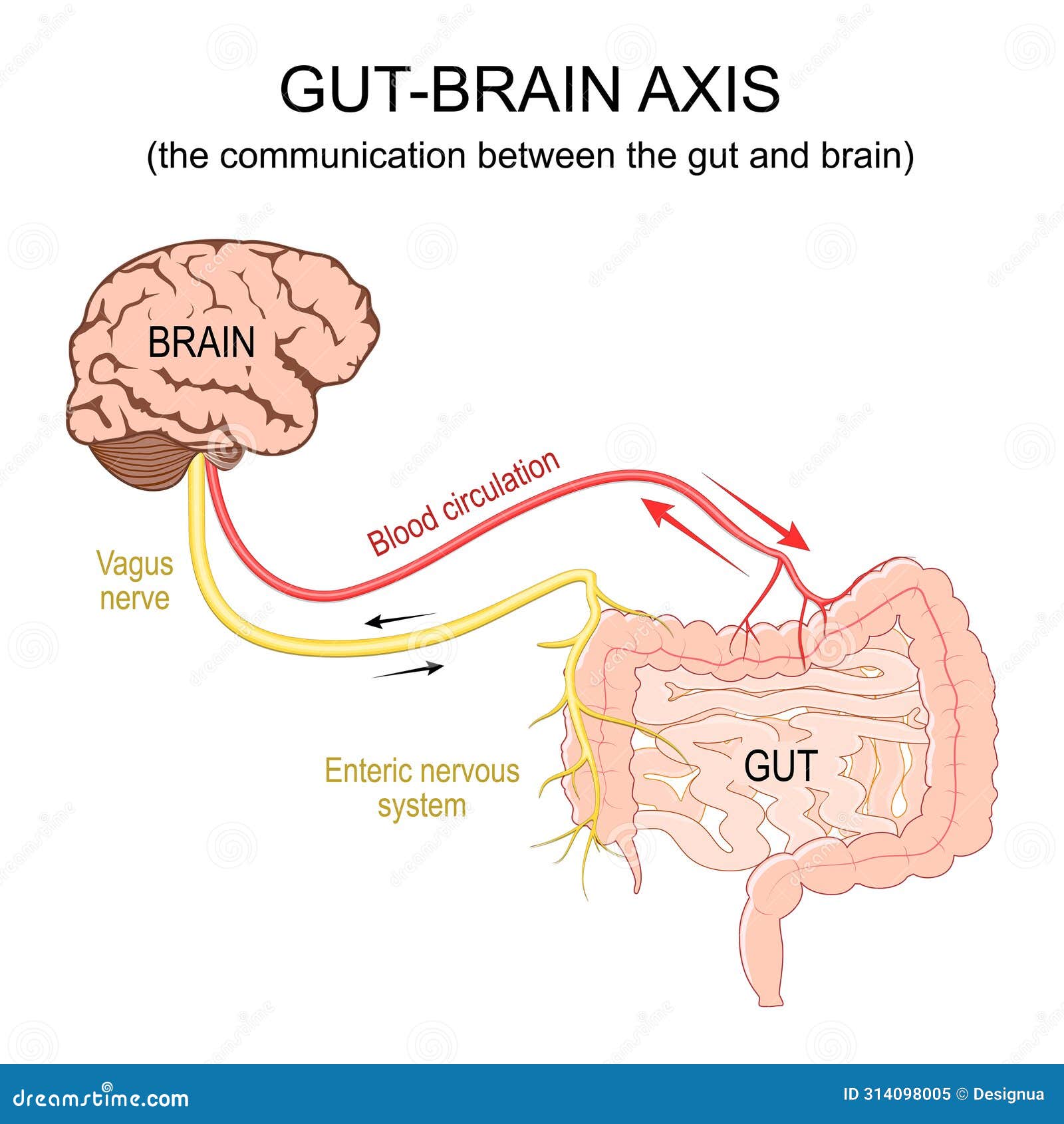
The human body is a complex network of systems that work in harmony to keep us healthy and functioning. One of the most fascinating areas of modern science is the gut-brain axis, a bidirectional communication system that links our digestive tract with our central nervous system. This connection has profound implications for our mental health, emotional well-being, and even cognitive function. In this article, we’ll explore what the gut-brain axis is, how it works, and why it matters for your overall health.
What Is the Gut-Brain Axis?
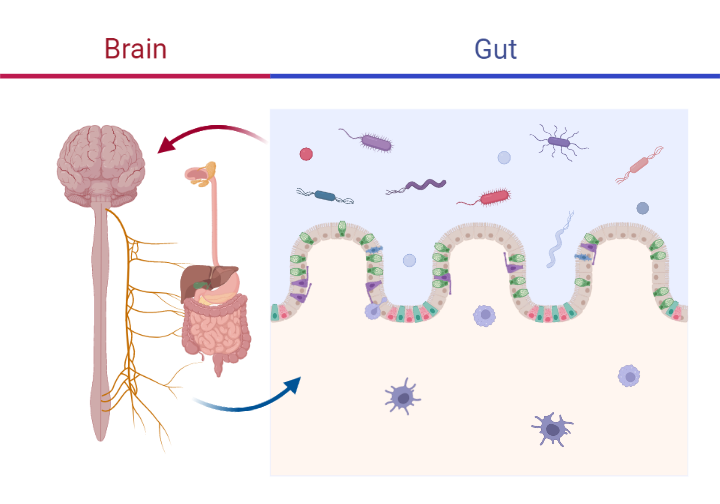
The gut-brain axis refers to the intricate communication network between the gastrointestinal (GI) tract and the brain. This connection is not just physical; it involves a dynamic exchange of signals through neural, hormonal, and immune pathways. The gut, often referred to as our "second brain," contains over 100 million nerve cells and plays a crucial role in regulating mood, behavior, and even cognitive processes.
This relationship is supported by the presence of the enteric nervous system (ENS), which is embedded in the lining of the gut and can operate independently of the central nervous system. The ENS communicates with the brain via the vagus nerve, a major pathway that allows for constant feedback between the two.
The Role of the Gut Microbiome
At the heart of the gut-brain axis lies the gut microbiome—a vast community of microorganisms, including bacteria, fungi, and viruses, that reside in our intestines. These microbes are not just passive inhabitants; they actively influence our health in numerous ways.
Research has shown that the gut microbiome plays a vital role in maintaining the integrity of the intestinal barrier. This barrier acts as a protective shield, preventing harmful substances from entering the bloodstream while allowing essential nutrients to be absorbed. When this barrier is compromised, it can lead to a condition known as "leaky gut," which has been linked to various health issues, including inflammation, autoimmune disorders, and even mental health conditions.
Moreover, the gut microbiome is responsible for producing neurotransmitters such as serotonin and dopamine, which are crucial for regulating mood and emotions. In fact, studies suggest that up to 90% of serotonin is produced in the gut, highlighting the significant impact of gut health on mental well-being.
The Impact on Mental Health
The connection between the gut and the brain is not just theoretical; it has real-world implications for mental health. Conditions such as anxiety, depression, and autism have been associated with disruptions in the gut-brain axis. For instance, individuals with autism often exhibit differences in their gut microbiome composition, which may contribute to the symptoms they experience.
Similarly, research has found that people with depression frequently have altered gut microbiota. This suggests that addressing gut health could be an essential component of mental health treatment. By restoring balance to the gut microbiome, it may be possible to alleviate some of the symptoms associated with these conditions.
Practical Steps to Support Gut-Brain Health
Given the importance of the gut-brain axis, there are several practical steps you can take to support your gut health and, in turn, your mental well-being:
- Eat a diverse diet rich in fiber: Consuming a variety of plant-based foods helps promote a healthy gut microbiome. Foods like fruits, vegetables, whole grains, and legumes provide the necessary nutrients for beneficial bacteria to thrive.
- Incorporate probiotics and prebiotics: Probiotics are live bacteria that can help improve gut health, while prebiotics serve as food for these beneficial microbes. Fermented foods like yogurt, kefir, and sauerkraut are excellent sources of probiotics.
- Limit processed foods and artificial sweeteners: These can disrupt the balance of the gut microbiome and lead to inflammation. Opt for whole, unprocessed foods whenever possible.
- Manage stress: Chronic stress can negatively affect the gut-brain axis. Practices such as meditation, yoga, and deep breathing can help reduce stress and support overall well-being.
- Stay hydrated: Drinking enough water is essential for maintaining a healthy digestive system. Aim for at least 8 glasses of water per day.
The Future of Gut-Brain Research
As our understanding of the gut-brain axis continues to evolve, so too does the potential for new treatments and interventions. Researchers are exploring the use of fecal microbiota transplantation (FMT) and targeted probiotic therapies to address various health conditions. These approaches aim to restore balance to the gut microbiome and, in turn, improve mental health outcomes.
While the field is still in its early stages, the evidence is promising. Studies have shown that manipulating the gut microbiome can lead to improvements in mood, cognition, and even behavioral patterns. As more research is conducted, we can expect to see a shift in how we approach mental health treatment, with a greater emphasis on the role of the gut.
Conclusion
The gut-brain axis is a remarkable example of how interconnected our bodies are. From the production of neurotransmitters to the regulation of immune responses, the gut plays a vital role in our mental and emotional health. By understanding and supporting this complex relationship, we can take proactive steps to improve our overall well-being.
As we continue to uncover the mysteries of the gut-brain axis, it becomes increasingly clear that a healthy gut is essential for a healthy mind. Whether through dietary changes, stress management, or emerging therapies, there are numerous ways to support this critical connection. By prioritizing gut health, we can unlock new possibilities for mental clarity, emotional stability, and a better quality of life.

Post a Comment for "Understanding the Gut-Brain Axis: How Your Digestive System Affects Mental Health"
Post a Comment