Understanding the Gut-Brain Axis: How to Support Your Body's Key Connection

The human body is a complex network of systems, each playing a vital role in maintaining overall health. One of the most fascinating and increasingly studied connections is the gut-brain axis—a bidirectional communication system that links the digestive tract with the central nervous system. This intricate relationship not only affects digestion but also influences mood, cognition, and even mental health. In this article, we'll explore what the gut-brain axis is, how it works, and practical steps you can take to support this critical connection.
What Is the Gut-Brain Axis?
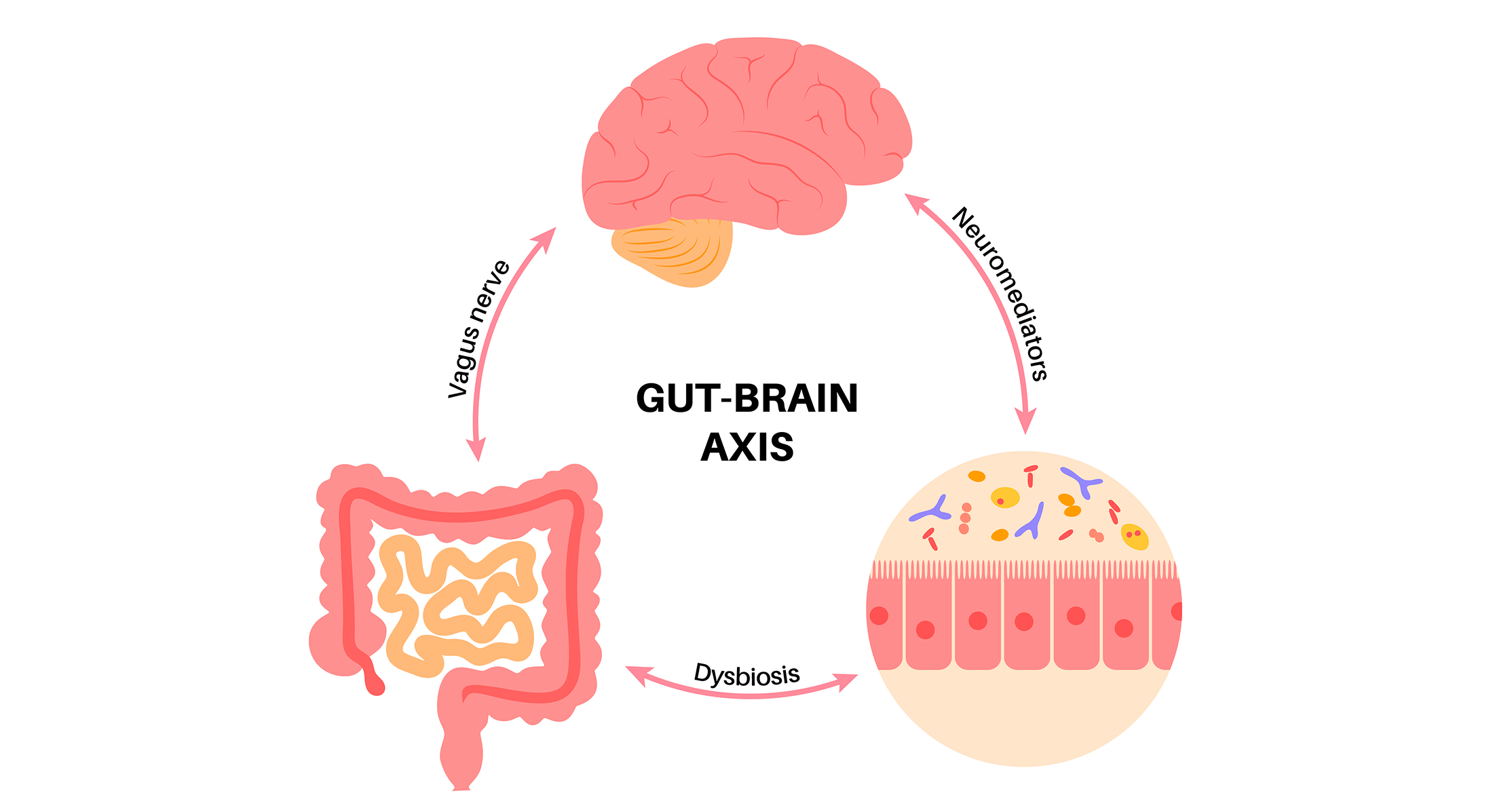
The gut-brain axis is a two-way communication network that connects the digestive system with the central nervous system. This system continuously monitors the internal environment and helps regulate mood, cognition, digestion, and inflammation. It involves a complex interplay between the nervous system, endocrine system, immune system, and gut microbiome.
Key components of the gut-brain axis include:
- Enteric Nervous System (ENS): Often referred to as the "second brain," the ENS contains over 100 million nerve cells and regulates digestion, enzyme release, motility, and communicates continuously with the brain.
- Vagus Nerve: Acts as a high-speed, bidirectional communication highway, allowing the gut and brain to send and receive signals.
- Gut Microbiota: Trillions of microbes that produce vitamins, neurotransmitters, and metabolites influencing mood, sleep, memory, and inflammation.
- Immune & Hormonal Pathways: The gut plays a major role in regulating inflammation and stress responses through neuroendocrine pathways.
How the Gut-Brain Axis Works

The gut-brain axis operates through a combination of nerves, hormones, and gut microbes. The enteric nervous system (ENS) functions as a self-contained network within the gastrointestinal tract, capable of operating independently from the brain. However, it also communicates with the central nervous system via the vagus nerve, which serves as the primary link between the gut and brain.
The vagus nerve conveys sensory information about the conditions inside the gut from the ENS to the brain and sends motor signals back to the gut. This bidirectional communication allows for reflexes that respond to changes in the gut environment, such as the presence of food or chemical changes.
In addition, the gut microbiome plays a crucial role in this communication. These microbes produce or help produce neurotransmitters like serotonin, dopamine, and GABA, which are essential for regulating mood and cognitive function. They also produce other chemicals that can affect the brain through the bloodstream.
The Role of Diet in Supporting the Gut-Brain Axis
Diet plays a significant role in supporting or disrupting the gut-brain connection. What you eat profoundly influences gut health, which in turn affects mental and emotional well-being.
Foods that strengthen the gut-brain axis include:
- Prebiotics: Sources like bananas, garlic, onions, asparagus, leeks, apples, and oats feed beneficial bacteria and support serotonin production.
- Probiotics: Found in yogurt, kefir, kimchi, sauerkraut, miso, and kombucha, these live beneficial microbes improve microbial diversity and promote a healthier stress response.
- Omega-3 Fatty Acids: Salmon, sardines, flaxseed, walnuts, and chia seeds support neurotransmitter function and reduce inflammation affecting the brain.
- Polyphenol-Rich Foods: Berries, dark chocolate, green tea, olives, and red cabbage act as antioxidants and improve microbial diversity.
- High-Fiber Foods: Whole grains, legumes, vegetables, nuts, and seeds improve motility, microbial richness, and digestion.
On the other hand, diets high in added sugars, refined grains, artificial sweeteners, processed snacks, industrial seed oils, and low-fiber meals can contribute to dysbiosis, an imbalance of gut bacteria linked to inflammation, anxiety, and mood disruptions.
Daily Habits to Strengthen the Gut-Brain Axis
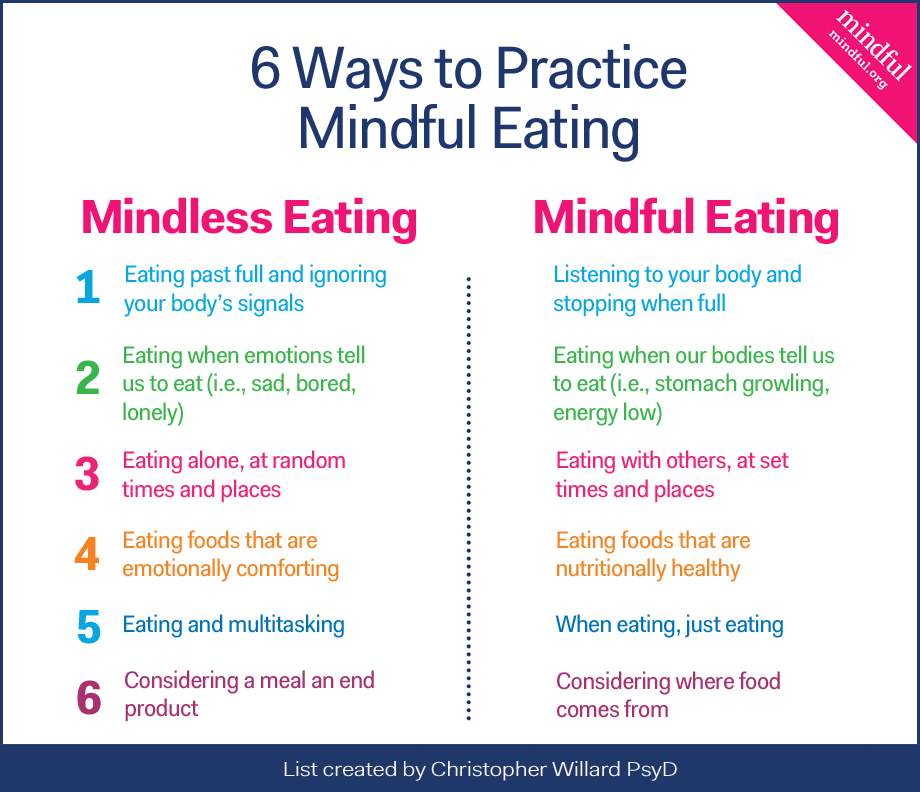
In addition to diet, daily habits play a crucial role in supporting the gut-brain connection. Here are some practical tips:
- Stay Hydrated: Consistent hydration supports digestion and microbial function.
- Move Daily: Even 10 minutes of physical activity improves motility and mood.
- Practice Stress Reduction: Techniques like breathwork, meditation, and yoga can help manage stress and improve gut health.
- Eat Slowly and Mindfully: Avoiding distracted meals and eating slowly can enhance digestion and reduce symptoms.
- Build Meals Around Whole Foods: Prioritize whole, unprocessed foods to maintain a balanced gut microbiome.
Consistency matters: Small changes often create noticeable improvements in 2–4 weeks.
The Gut-Brain Axis and Mental Health
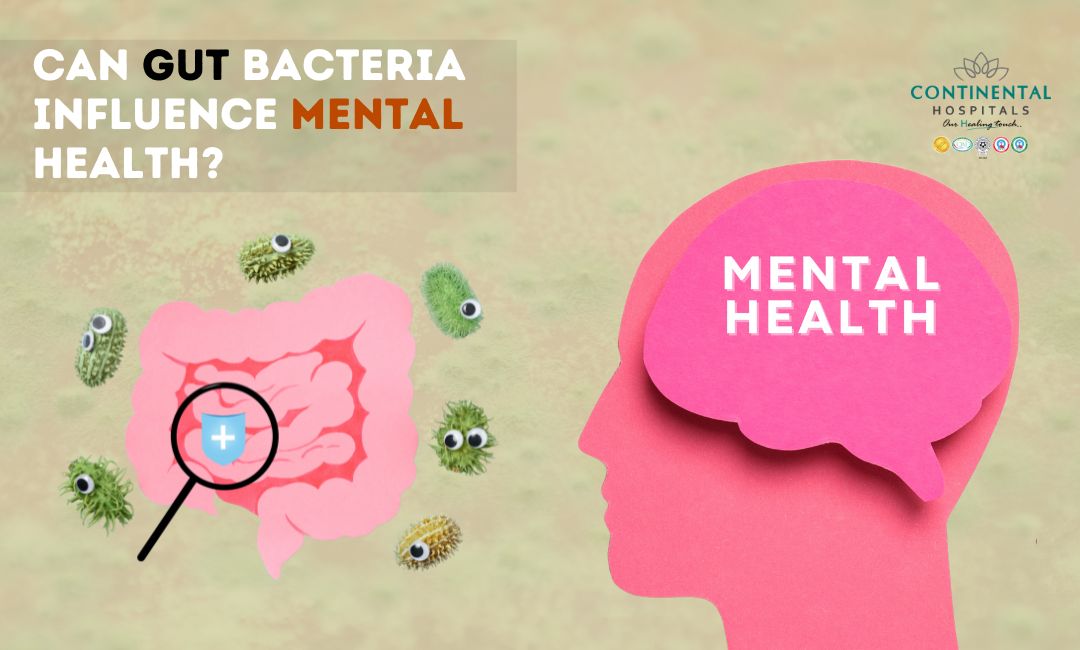
The connection between gut health and emotional well-being is supported by strong scientific evidence. A healthy microbiome supports stable mood, emotional resilience, and restorative sleep. Gut bacteria influence the HPA axis, which governs the body’s stress response, and dysbiosis can heighten stress sensitivity and trigger anxiety symptoms.
A diverse microbiome is associated with better memory, learning, and mental clarity. Certain probiotic strains, known as psychobiotics, may reduce anxiety and stress by influencing GABA and serotonin activity.
Frequently Asked Questions

What is the gut-brain axis?
The gut-brain axis is the two-way communication system between the digestive tract and the brain. It relies on nerves, hormones, and gut microbes that influence mood, cognition, inflammation, and digestion.
What foods support the gut-brain connection?
Foods that support the gut-brain axis include probiotics (yogurt, kefir, kimchi), prebiotics (garlic, onions, oats, bananas), omega-3 fats (salmon, walnuts, flaxseed), polyphenols (berries, green tea, cocoa), and high-fiber foods (vegetables, legumes, whole grains).
Can improving gut health reduce anxiety?
Yes. A balanced gut microbiome regulates the stress response, supports serotonin production, and may reduce anxiety and mood instability.
How long does it take to improve gut health?
Most people notice improvements in digestion, energy, and mood within 2–4 weeks when adding more fiber, fermented foods, and whole foods while reducing ultra-processed foods.
What are the signs of poor gut-brain communication?
Common signs include brain fog, increased anxiety or stress, bloating or inconsistent digestion, fatigue, poor sleep, and sugar cravings.
Do probiotics help mental health?
Certain probiotic strains ("psychobiotics") may reduce anxiety and stress by influencing GABA and serotonin activity.
Do I need supplements to support the gut-brain axis?
Most people do not need supplements. A diverse, fiber-rich diet with fermented foods is the most effective and sustainable strategy.
Conclusion
The gut-brain axis is a critical connection that influences not only digestion but also mood, cognition, and overall well-being. By understanding how this system works and taking practical steps to support it, you can enhance your mental and physical health. From dietary choices to daily habits, there are numerous ways to nurture this vital connection. Remember, small, consistent changes can lead to significant improvements in your gut-brain health over time.

Post a Comment for "Understanding the Gut-Brain Axis: How to Support Your Body's Key Connection"
Post a Comment