Understanding Female Hormonal Health: Key Insights and Tips for Balance
Hormones are the silent architects of our bodies, influencing everything from mood and energy to metabolism and reproductive health. For women, hormonal balance is especially critical, as it affects every stage of life—from puberty through menopause and beyond. Yet, despite its importance, female hormonal health is often overlooked, misunderstood, or dismissed as an unavoidable part of life. This article aims to change that narrative by providing a comprehensive guide to understanding and supporting your hormonal well-being.
Whether you're navigating the challenges of adolescence, managing the demands of adulthood, or adjusting to the changes of perimenopause, this guide will offer practical strategies, science-backed insights, and actionable tips to help you maintain balance and thrive at every age.
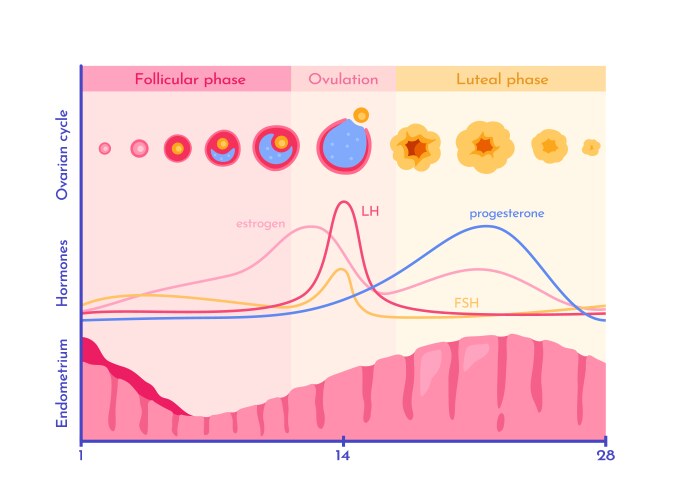
Puberty: The First Hormonal Surge
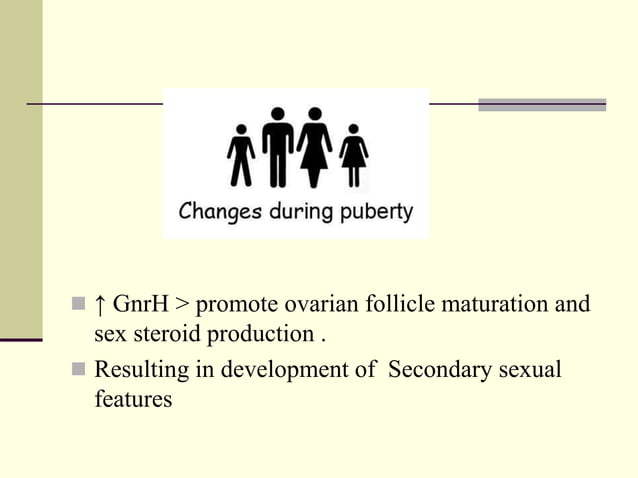
Puberty marks the beginning of a woman's hormonal journey, with estrogen and progesterone starting to rise. This phase brings physical, emotional, and hormonal changes that can be overwhelming. While many of these shifts are considered "normal," they are actually critical windows for building long-term hormonal health.
During this time, it's essential to support your body with proper nutrition, consistent sleep, and a positive relationship with your menstrual cycle. Encourage whole foods rich in calcium, healthy fats, and protein to fuel growth. Reducing screen time before bed can also help regulate sleep patterns, which play a vital role in hormone balance.
If you experience gut issues or skin problems, consider exploring potential inflammation or imbalances. Early intervention can prevent more serious concerns later on.
Reproductive Years: Cycle Awareness and Daily Performance
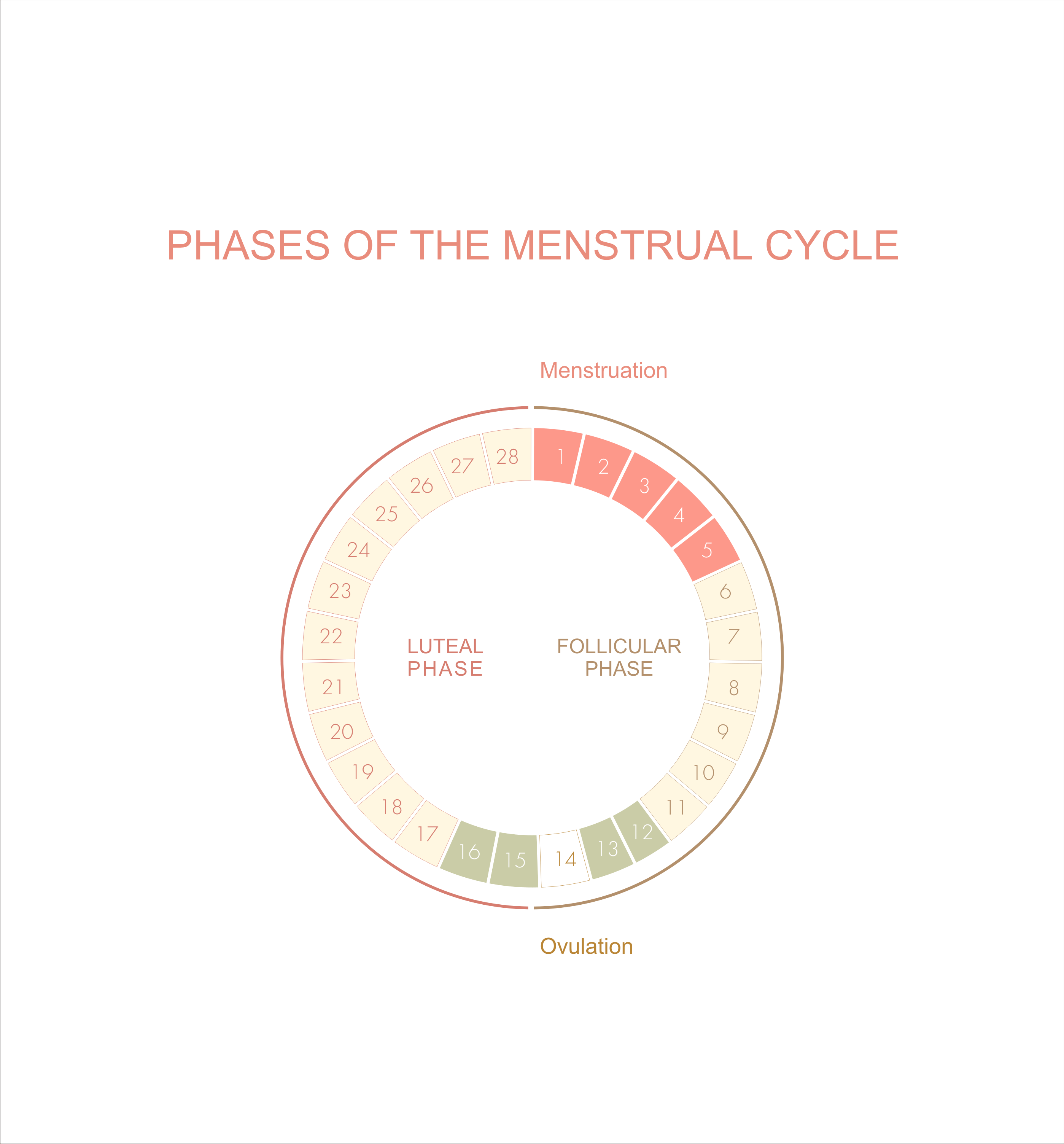
Once your menstrual cycle stabilizes, your hormones begin to follow a monthly rhythm that supports fertility and overall well-being. However, modern stress, under-eating, and synthetic hormones (like standard birth control) can disrupt this natural balance.
Understanding the different phases of your cycle can help you align your lifestyle with your body’s needs:
- Menstrual Phase (Days 1–5): Focus on rest, hydration, and nutrient-dense meals.
- Follicular Phase (Days 6–14): Use this time for new habits, increased activity, and creativity.
- Ovulatory Phase (Around Days 13–15): Leverage heightened confidence and energy for social or professional opportunities.
- Luteal Phase (Days 15–28): Prioritize calming rituals, magnesium-rich foods, and earlier bedtimes.
Tracking your symptoms and working with healthcare professionals can provide valuable insights into your hormonal patterns. Tools like biomarker testing can help identify imbalances early, allowing for targeted interventions.
Perimenopause: Navigating the Hormonal Rollercoaster
Perimenopause is often the most overlooked and misunderstood phase of a woman’s hormonal journey. As estrogen and progesterone fluctuate, symptoms like anxiety, fatigue, brain fog, and weight gain can become more pronounced.
To manage this transition effectively, consider the following strategies:
- Track your symptoms and test hormone levels regularly.
- Prioritize protein intake, aiming for 30g per meal.
- Shift from intense workouts to strength training and recovery days.
- Support sleep with magnesium glycinate and adaptogens like ashwagandha.
- Focus on gut and liver health to aid in estrogen detox.
Working with a healthcare provider can help tailor a plan that suits your unique needs, whether you're dealing with PMS, post-birth control transitions, or fertility goals.
Menopause: A New Beginning
Menopause isn't an end—it's a shift. After 12 months without a period, hormone production stabilizes, and new priorities emerge, such as heart health, bone density, and mental clarity.
Key steps to support this transition include:
- Consider bioidentical hormone therapy if it aligns with your health goals.
- Incorporate strength training to preserve muscle and bone mass.
- Use NAD+ infusions to restore energy and improve cellular function.
- Maintain a diet rich in omega-3s, cruciferous vegetables, and protein.
- Prioritize sleep, gut health, and inflammation management.
With the right support, menopause can be a time of renewed vitality and self-discovery.
Postmenopause: Optimizing Longevity

After menopause, the focus shifts to long-term wellness and resilience. This is a time to build on the foundation laid during previous stages and invest in practices that support longevity.
Strategies for postmenopause include:
- Continue hormone therapy if beneficial, with regular monitoring.
- Engage in resistance training 3–4 times per week.
- Utilize infrared saunas and NAD+ treatments for cellular health.
- Cultivate community, cognitive stimulation, and gut-brain connection.
- Monitor cardiac markers and inflammatory trends over time.
By prioritizing these areas, you can continue to thrive and enjoy a high quality of life well into your later years.
Clearing Up the Hormone Therapy Confusion

There has been a lot of misinformation surrounding hormone therapy, particularly after the 2001 Women’s Health Initiative study. However, it's important to understand that the risks associated with synthetic hormones differ from those of bioidentical hormones used today.
Bioidentical hormone therapy, which is compounded to match the body’s own molecular structure, offers a safer and more personalized approach. It can significantly improve quality of life and reduce long-term risks when started early.
At Next Health, we use detailed lab testing and follow-ups to guide patients through their hormone therapy journey, ensuring that each plan is tailored to their unique needs and goals.
Final Thoughts

Female hormonal health is a lifelong journey that requires attention, care, and proactive support. From your first period to your final one, your body deserves to be understood and nurtured. Whether you're optimizing fertility in your 30s or navigating menopause with strength, there are science-backed tools and expert guidance available to help you live with more energy, clarity, and confidence.
Remember, you were never meant to “just deal with it.” By taking charge of your hormonal health, you’re not only improving your well-being but also empowering yourself to live your best life. With the right knowledge and support, you can thrive at every stage of your journey.

Post a Comment for "Understanding Female Hormonal Health: Key Insights and Tips for Balance"
Post a Comment