Top Home Neuroplasticity Exercises to Improve Brain Function Naturally
In a world that's constantly changing, our brains must adapt and evolve just as quickly. The concept of neuroplasticity—the brain's ability to reorganize itself by forming new neural connections—has become a cornerstone of modern neuroscience. This natural process allows us to learn, grow, and recover from injuries, making it an essential part of maintaining cognitive health. While many people associate neuroplasticity with professional therapy or advanced medical treatments, the truth is that you can harness its power right from your home. By incorporating simple yet effective exercises into your daily routine, you can enhance your brain function, improve memory, and boost mental agility. In this article, we’ll explore the most impactful home neuroplasticity exercises and how they can transform your life.

Understanding Neuroplasticity

Neuroplasticity is the brain’s remarkable ability to rewire itself in response to experiences, learning, and environmental changes. It’s not just about recovering from injury; it’s also about optimizing cognitive performance throughout life. When we engage in new activities, our brains form new neural pathways, strengthening existing ones and even creating entirely new connections. This adaptability is what allows us to learn languages, master skills, and recover from neurological challenges.
The science behind neuroplasticity is fascinating. When we challenge our brains with novel tasks, such as solving puzzles, reading, or playing an instrument, the brain releases growth factors that promote the formation of new neurons and synapses. These changes are not just temporary—they can lead to long-term improvements in cognitive function, emotional regulation, and overall brain health.
The Benefits of a Sharp Mind

A sharp mind is more than just a tool for success—it's a foundation for well-being. Cognitive decline, whether due to aging or lifestyle factors, can impact everything from decision-making to emotional resilience. However, by engaging in regular mental exercises, you can maintain and even enhance your cognitive abilities. A sharp mind allows you to think more clearly, solve problems more effectively, and adapt to change with greater ease.
Moreover, a strong brain is closely linked to emotional health. People with active, engaged minds often experience lower levels of stress, better mood regulation, and increased resilience against anxiety and depression. By keeping your brain active and challenged, you’re not only improving your mental capacity but also supporting your emotional and psychological well-being.
7 Home Neuroplasticity Exercises to Try Today
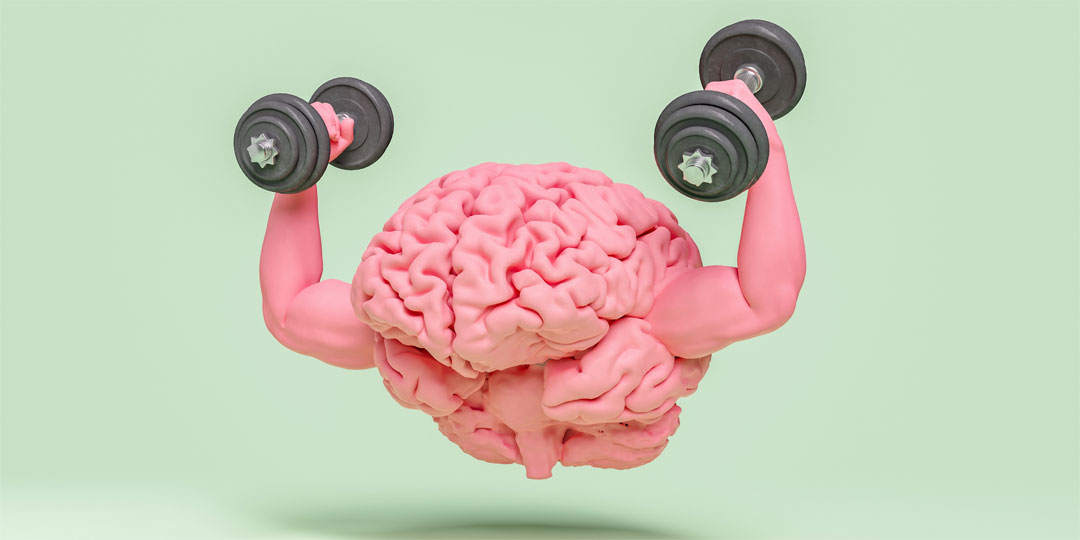
There are countless ways to stimulate neuroplasticity from the comfort of your home. Here are seven effective exercises that you can incorporate into your daily routine:
1. Brain-Training Games
Games like Sudoku, crosswords, and memory cards are excellent for stimulating cognitive function. These activities challenge your brain to think critically, remember patterns, and solve problems, all of which promote the formation of new neural connections. You can find a variety of brain-training apps online, or simply use a physical puzzle book for a low-tech alternative.
2. Meditation and Mindfulness
Meditation is one of the most powerful tools for enhancing neuroplasticity. Studies have shown that regular meditation can increase gray matter density in areas of the brain associated with attention, emotional regulation, and self-awareness. By focusing on your breath and letting go of distractions, you can reduce stress and improve mental clarity. Even just 10 minutes a day can make a significant difference.
3. Learning a New Language
Learning a new language is a highly effective way to boost brain function. It requires memorization, pattern recognition, and cognitive flexibility—all of which stimulate neuroplasticity. Whether through apps, classes, or conversation practice, challenging your brain with a new language can lead to lasting cognitive benefits.
4. Physical Exercise
Exercise isn’t just good for your body—it’s also great for your brain. Aerobic activities like walking, running, or cycling increase blood flow to the brain, delivering oxygen and nutrients that support neural growth. Regular physical activity has been linked to improved memory, focus, and overall brain health.
5. Playing a Musical Instrument
Playing an instrument engages multiple areas of the brain, including those responsible for motor control, memory, and auditory processing. It also enhances coordination and creativity, making it a powerful neuroplasticity exercise. Whether you're strumming a guitar or tapping out rhythms on a keyboard, music is a fun and effective way to keep your brain active.
6. Reading and Writing
Reading exposes your brain to new ideas and perspectives, while writing challenges it to organize thoughts and express them coherently. Both activities stimulate different regions of the brain, promoting cognitive flexibility and mental agility. Make it a habit to read a variety of genres and write regularly to keep your brain engaged.
7. Puzzles and Problem-Solving Activities
Puzzles, riddles, and logic games are excellent for sharpening your problem-solving skills. They require critical thinking, pattern recognition, and memory recall, all of which contribute to neuroplasticity. Whether you're working on a jigsaw puzzle or tackling a complex math problem, these activities help keep your brain sharp and adaptable.
Incorporating Neuroplasticity Into Your Daily Routine

The key to maximizing the benefits of neuroplasticity is consistency. Even small, regular exercises can lead to significant improvements over time. Here are a few tips to help you integrate these practices into your daily life:
- Start small: Begin with just 10–15 minutes a day of any of the exercises mentioned above.
- Be consistent: Aim to practice at least three times a week to see long-term results.
- Mix it up: Vary your activities to keep your brain engaged and prevent boredom.
- Stay motivated: Track your progress and celebrate small victories to stay encouraged.
Remember, neuroplasticity is a lifelong process. The more you challenge your brain, the more it will adapt and grow.
Conclusion
Neuroplasticity is a powerful force that allows our brains to change, grow, and heal. By embracing simple, everyday exercises, we can take control of our cognitive health and unlock our full potential. Whether you're solving puzzles, meditating, or learning a new skill, each activity contributes to a stronger, more resilient brain. The journey to a sharper mind begins at home, and with dedication and consistency, you can achieve lasting improvements in your mental and emotional well-being. Start today, and let your brain thrive.

Post a Comment for "Top Home Neuroplasticity Exercises to Improve Brain Function Naturally"
Post a Comment