Top Holistic Wellness Strategies for Women: A Comprehensive Guide
In a world where stress, fast food, and sedentary lifestyles are the norm, women are increasingly turning to holistic wellness strategies to reclaim their health and vitality. Holistic wellness isn't just about physical fitness or diet—it's an integrative approach that considers the whole person: body, mind, and spirit. This guide explores actionable, science-backed strategies tailored specifically for women, helping them achieve lasting balance and well-being.
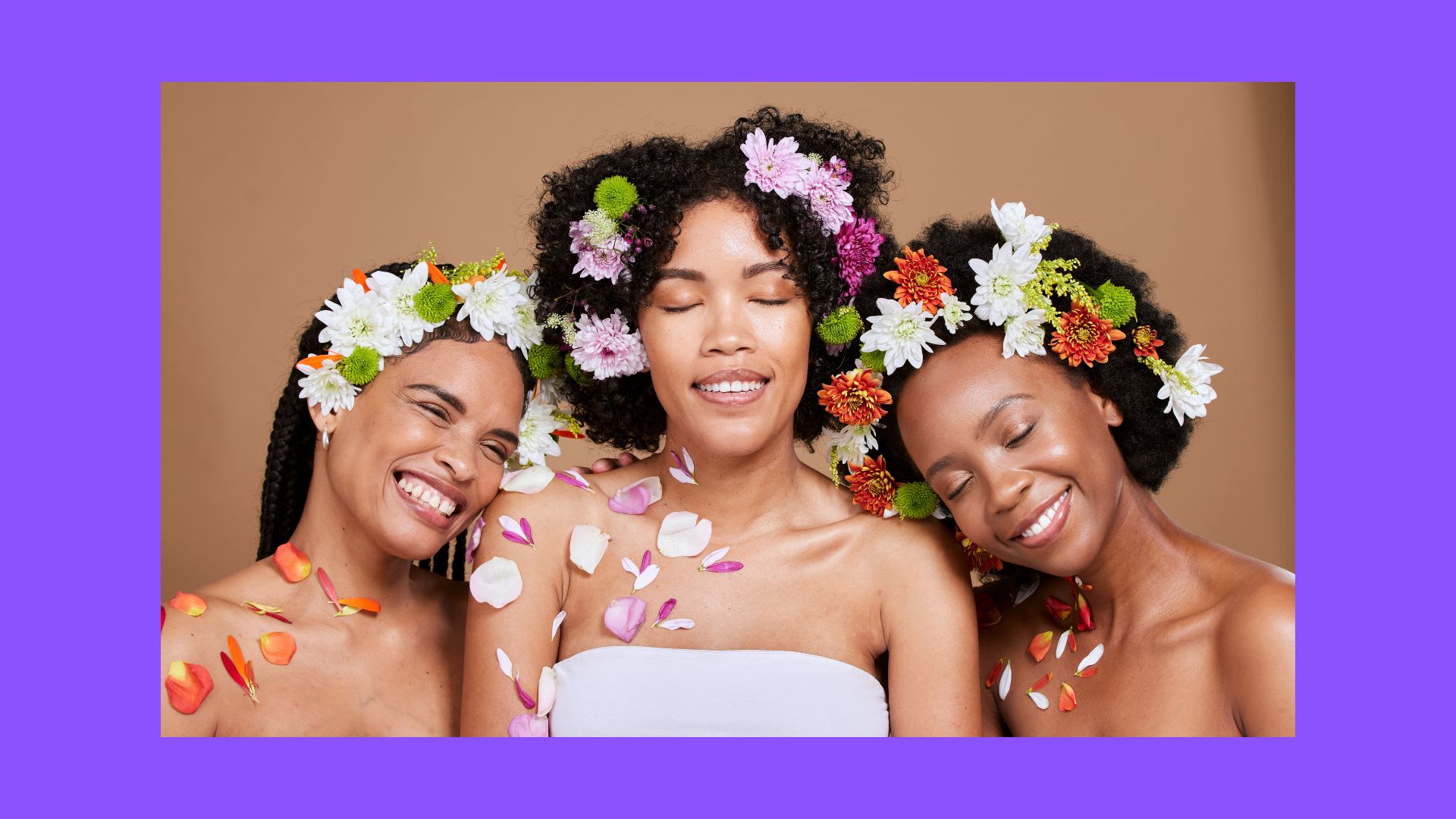
Understanding the Foundations of Holistic Wellness

Holistic wellness is rooted in the belief that true health comes from addressing all aspects of a woman’s life. It goes beyond treating symptoms and instead focuses on identifying and resolving the root causes of health issues. For women, this means considering hormonal fluctuations, emotional well-being, social support systems, and environmental influences—all of which play a critical role in overall health.
A holistic approach emphasizes prevention and self-care, empowering women to take an active role in their health journeys. By integrating practices such as nutrition, movement, mindfulness, and stress management, women can create a sustainable lifestyle that supports long-term wellness.
Key Dimensions of Holistic Wellness for Women

1. Physical Wellness
Physical health is the cornerstone of holistic wellness. For women, this includes consistent movement, proper nutrition, effective stress management, and quality sleep. Regular exercise—whether it’s yoga, strength training, or cardio—helps maintain hormone balance, improve cardiovascular health, and strengthen bones. A nutrient-rich diet that includes whole foods, lean proteins, and healthy fats supports energy levels and overall vitality. Additionally, prioritizing restful sleep is essential for mood regulation, immune function, and mental clarity.
2. Emotional Wellness
Emotional well-being is closely tied to physical health. Stress, anxiety, and unresolved emotions can have a profound impact on a woman’s body. Practices like mindfulness, meditation, journaling, and therapy help manage emotions effectively. Building a strong support system through relationships and community engagement also plays a vital role in emotional resilience.
3. Intellectual Wellness
Staying mentally sharp and engaged is crucial for long-term wellness. Encouraging lifelong learning, reading, and cognitive exercises helps maintain brain health. For women, especially as they age, intellectual wellness can be a powerful tool in preventing cognitive decline and maintaining mental agility.
4. Spiritual Wellness
Spirituality doesn’t necessarily mean religion. It refers to a sense of purpose, connection, and meaning in life. Activities like meditation, spending time in nature, or engaging in creative expression can foster spiritual growth. This dimension of wellness helps women find inner peace and a deeper understanding of themselves.
5. Social Wellness
Strong social connections are linked to better health outcomes. Women who maintain meaningful relationships with friends, family, and their communities tend to experience lower stress levels and greater happiness. Social wellness also involves feeling connected to something larger than oneself, whether through volunteer work, activism, or cultural traditions.
Integrating Holistic Practices into Daily Life

1. Nutrition: Fueling the Body with Purpose
A balanced diet is essential for holistic wellness. Women should focus on whole, unprocessed foods that provide essential nutrients. Incorporating foods rich in antioxidants, fiber, and healthy fats—such as leafy greens, berries, nuts, and fatty fish—can support hormonal balance and reduce inflammation. Hydration is also key; drinking enough water throughout the day helps with digestion, metabolism, and overall energy levels.
Tips for healthy eating: - Prioritize plant-based meals. - Limit processed sugars and refined carbohydrates. - Incorporate superfoods like turmeric, chia seeds, and green tea.
2. Movement: Finding Joy in Physical Activity
Exercise isn’t just about burning calories—it’s about improving mood, boosting energy, and enhancing physical health. Women should aim for at least 150 minutes of moderate-intensity exercise per week, such as brisk walking, cycling, or swimming. Strength training is also important for building muscle mass and supporting bone health. Finding activities that bring joy—like dancing, hiking, or yoga—can make it easier to stay consistent.
3. Mindfulness and Stress Management
Chronic stress can wreak havoc on a woman’s health, leading to fatigue, anxiety, and even chronic illness. Practicing mindfulness techniques such as deep breathing, meditation, or progressive muscle relaxation can help reduce stress and improve mental clarity. Setting aside time each day for quiet reflection or journaling can also promote emotional well-being.
4. Sleep: The Foundation of Health
Quality sleep is often overlooked but is crucial for overall wellness. Aim for 7–9 hours of restful sleep each night. Establishing a consistent bedtime routine, limiting screen time before bed, and creating a comfortable sleep environment can improve sleep quality. If sleep issues persist, consider speaking with a healthcare provider to address underlying causes.
Preventive Care and Early Detection
Preventive care is a vital component of holistic wellness. Regular health screenings—such as mammograms, Pap tests, and blood pressure checks—can detect potential issues early, when they’re most treatable. Women should also prioritize annual check-ups and follow recommended guidelines for preventive care based on their age and health history.
Lifestyle modifications, such as quitting smoking, reducing alcohol consumption, and managing stress, can significantly reduce the risk of chronic diseases. These small changes, when made consistently, can have a major impact on long-term health.
Embracing Natural and Functional Medicine
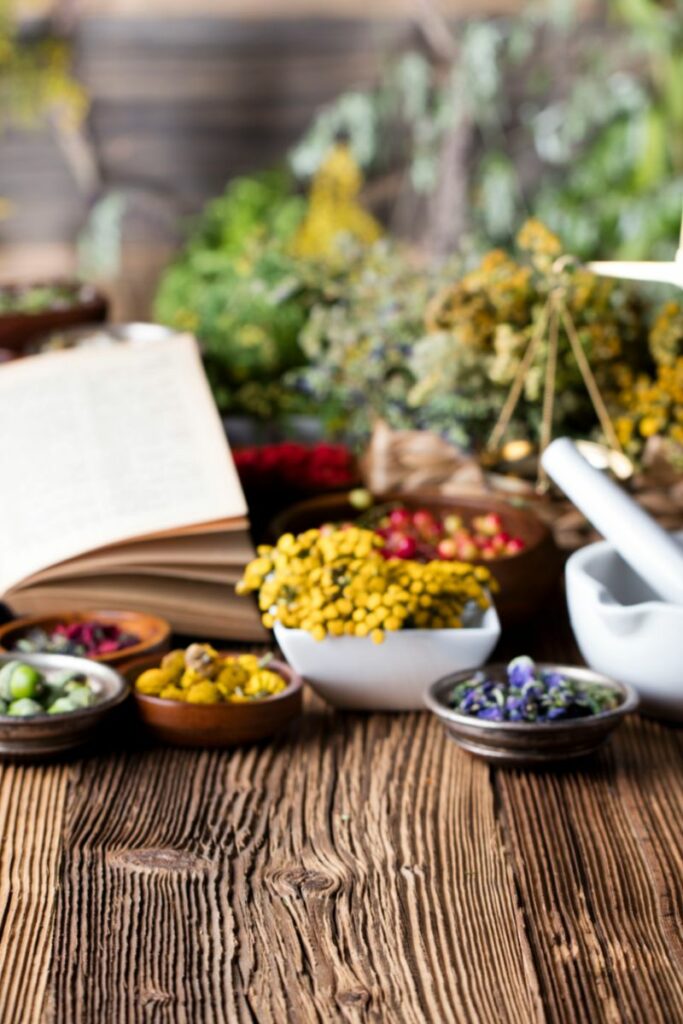
Natural and functional medicine offer complementary approaches to conventional healthcare, focusing on the root causes of health issues rather than just treating symptoms. These methods often include herbal remedies, acupuncture, and personalized nutrition plans. For women, these approaches can be particularly beneficial in managing conditions like hormonal imbalances, menstrual disorders, and menopause symptoms.
Functional medicine practitioners use advanced testing to identify nutritional deficiencies, hormonal imbalances, and other factors that may be contributing to health concerns. By addressing these underlying issues, women can achieve more sustainable and long-lasting results.
Conclusion: A Holistic Path to Lasting Wellness
Holistic wellness strategies for women are not a one-size-fits-all solution. They require a personalized approach that considers individual needs, life stages, and health goals. By integrating physical activity, nutritious eating, emotional well-being, and preventive care, women can build a resilient and balanced lifestyle that supports their health at every stage of life.
The journey to holistic wellness is ongoing, but with the right tools and mindset, it’s entirely achievable. Whether through mindful practices, natural therapies, or community support, women can take control of their health and thrive in a way that feels authentic and sustainable. With commitment and consistency, holistic wellness becomes not just a goal, but a way of life.

Post a Comment for "Top Holistic Wellness Strategies for Women: A Comprehensive Guide"
Post a Comment