Top Foods to Fight Inflammation for Women: A Nutritional Guide
Inflammation is a natural response by the body to injury or infection, but when it becomes chronic, it can wreak havoc on your health. For women, especially those over 40, inflammation can be a silent threat, contributing to issues like joint pain, fatigue, and even chronic diseases such as heart disease and diabetes. The good news? You can fight inflammation through diet. This article will explore the best foods to combat inflammation specifically for women, helping you make informed choices that support long-term wellness.
Understanding Inflammation and Its Impact on Women
Inflammation is the body’s way of protecting itself. When you get a cut or catch a cold, your immune system sends white blood cells to the affected area to fight off invaders. However, when this process becomes chronic—lasting weeks, months, or even years—it can lead to serious health problems. Chronic inflammation has been linked to conditions like arthritis, heart disease, and even certain cancers.
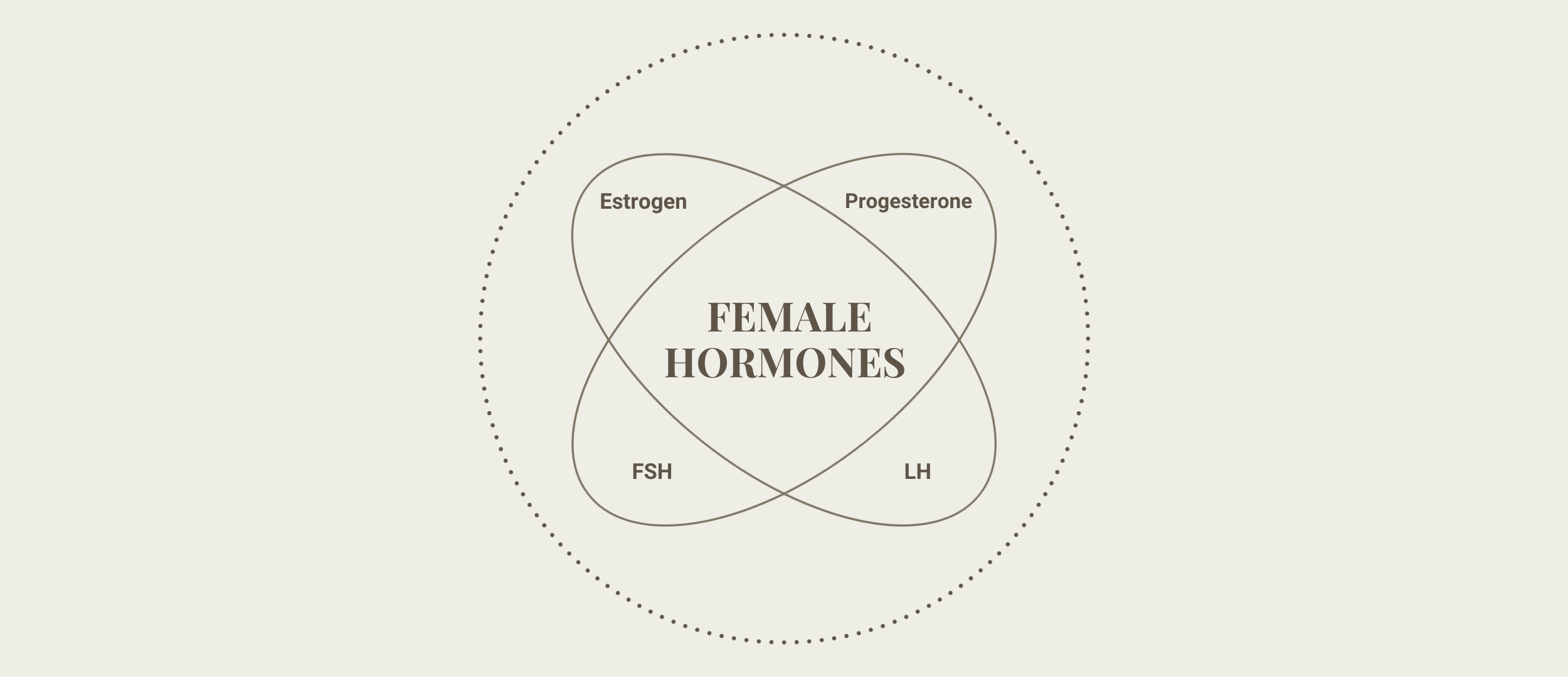
For women, hormonal changes play a significant role in inflammation. As estrogen levels decline after menopause, the body's ability to manage inflammation can weaken. This shift often leads to increased fat storage around the abdomen, which is associated with low-grade inflammation. Understanding how these factors interact is key to developing an effective anti-inflammatory diet.
The Power of an Anti-Inflammatory Diet
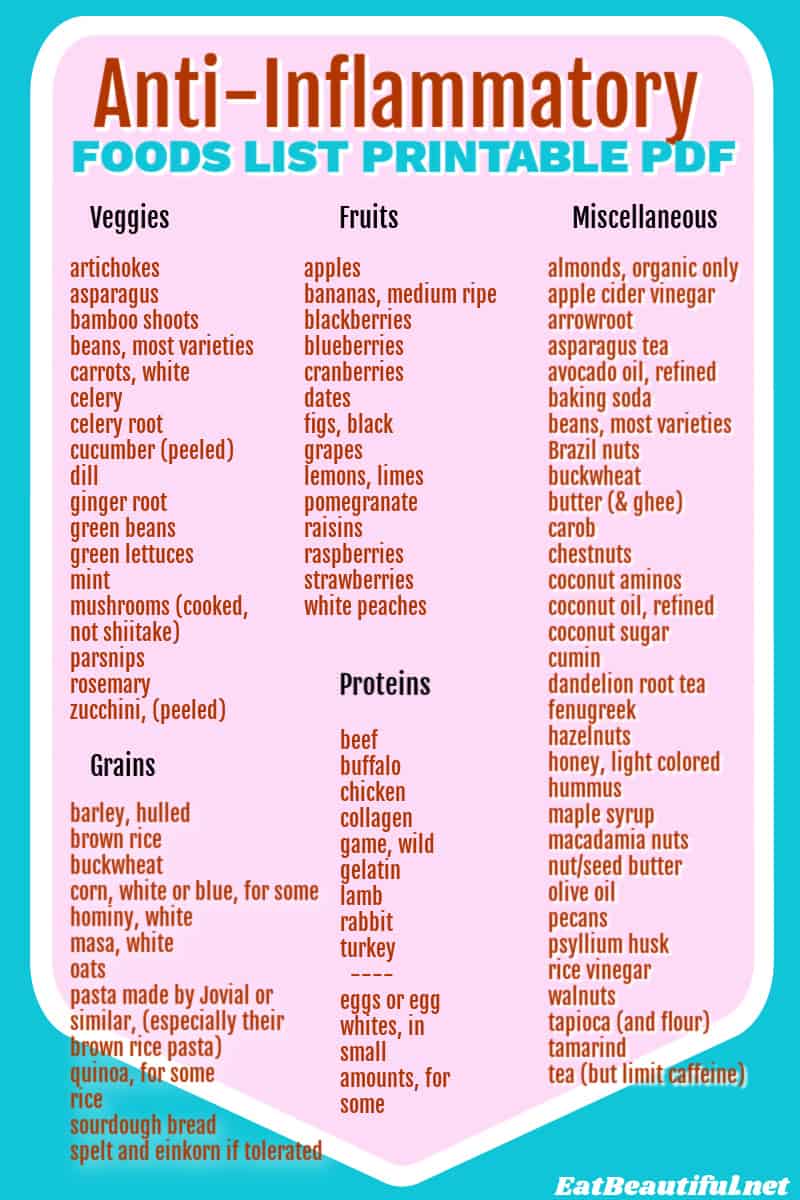
An anti-inflammatory diet focuses on whole, nutrient-dense foods that help reduce inflammation in the body. These diets typically include plenty of fruits, vegetables, whole grains, healthy fats, and lean proteins. By incorporating these foods into your daily meals, you can support your body’s natural defenses against inflammation.
Research shows that following an anti-inflammatory diet can lead to improved energy levels, better mood, and reduced risk of chronic diseases. It’s not just about avoiding processed foods; it’s about embracing a lifestyle that nourishes your body from the inside out.
Key Foods to Include in Your Anti-Inflammatory Diet
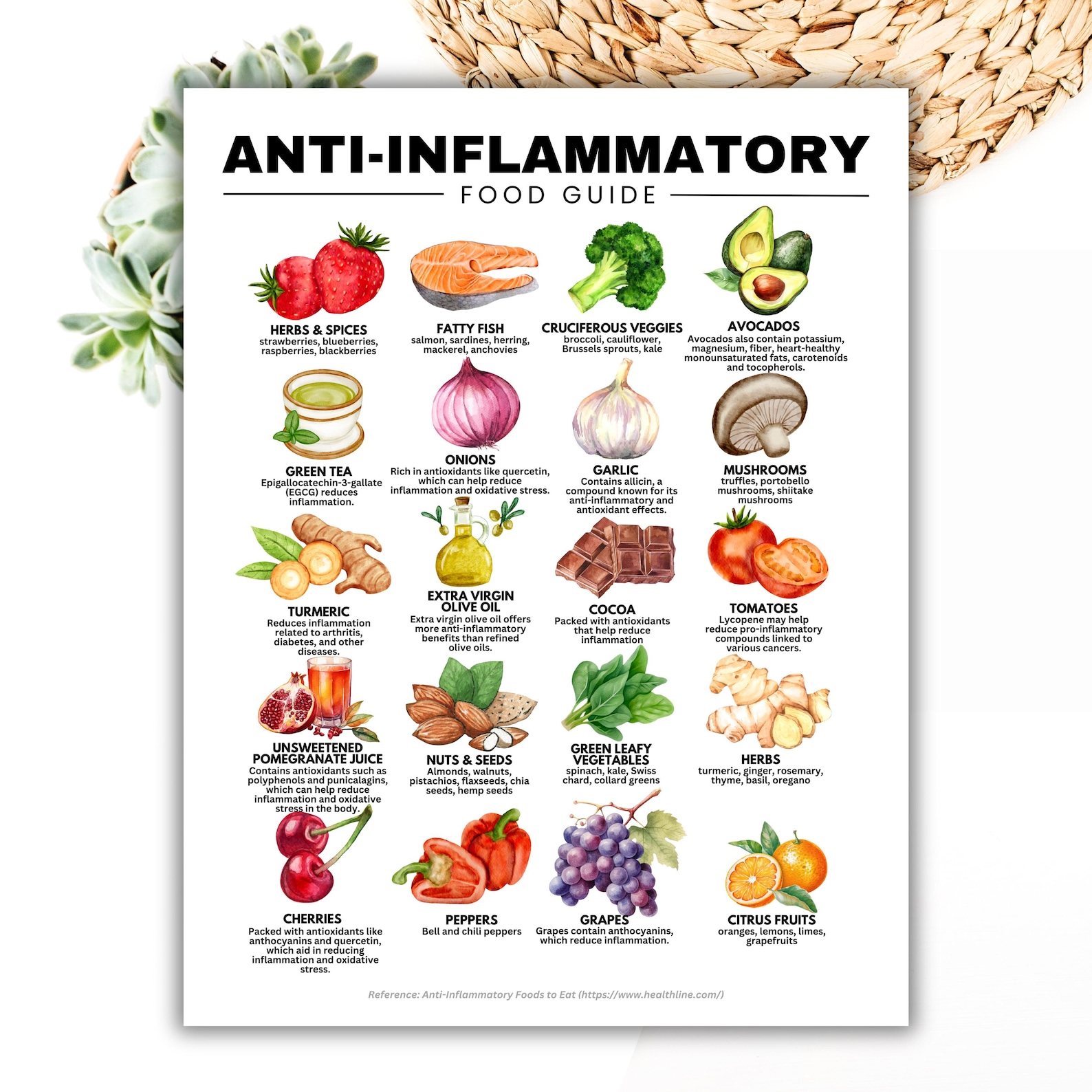
Here are some of the top foods that can help reduce inflammation and support overall health:
- Fatty Fish: Salmon, mackerel, and sardines are rich in omega-3 fatty acids, which have powerful anti-inflammatory properties.
- Leafy Greens: Spinach, kale, and arugula are packed with antioxidants and other nutrients that help combat inflammation.
- Berries: Blueberries, strawberries, and raspberries are high in antioxidants and polyphenols, which can reduce oxidative stress and inflammation.
- Nuts and Seeds: Almonds, walnuts, chia seeds, and flaxseeds provide healthy fats and fiber, both of which support gut health and reduce inflammation.
- Olive Oil: Extra virgin olive oil is loaded with antioxidants and healthy fats that can help lower inflammation.
- Turmeric: This spice contains curcumin, a compound known for its strong anti-inflammatory effects.
- Green Tea: Rich in antioxidants, green tea can help reduce inflammation and support overall health.
[IMAGE: Anti-inflammatory foods for women]
Practical Tips for Incorporating Anti-Inflammatory Foods
Incorporating these foods into your daily routine doesn’t have to be complicated. Here are some practical tips to help you get started:
- Start Your Day Right: Begin with a breakfast that includes protein, healthy fats, and fiber. Try a smoothie with spinach, berries, and chia seeds, or a bowl of oatmeal topped with nuts and fruit.
- Choose Whole Grains: Replace refined grains with whole grains like quinoa, brown rice, and farro. These provide sustained energy and are rich in fiber.
- Load Up on Fruits and Veggies: Aim for a variety of colors on your plate. Each color represents different antioxidants and nutrients that support your body’s defense against inflammation.
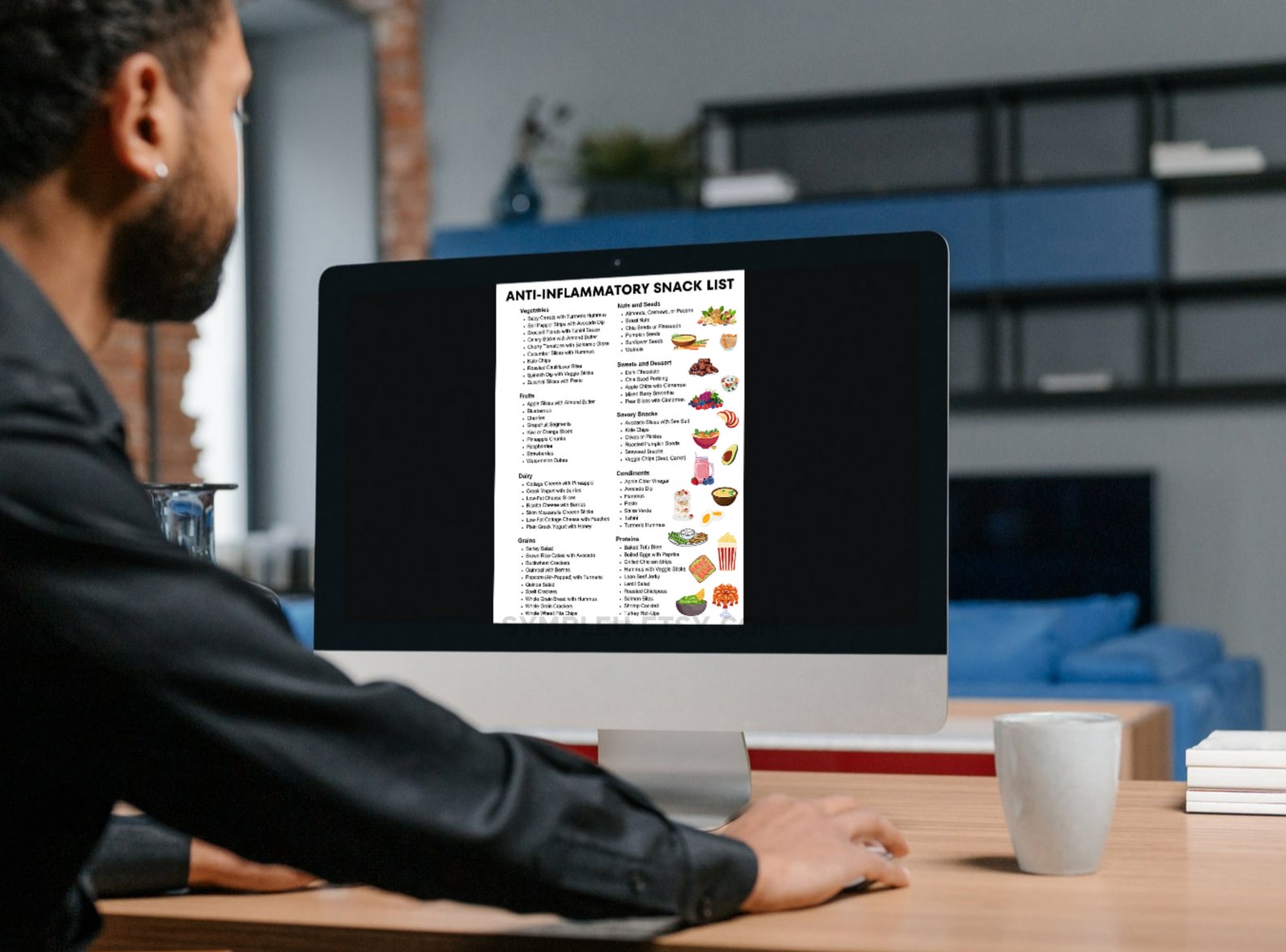
- Snack Smart: Choose snacks that are rich in nutrients and low in sugar. Nuts, seeds, and fresh fruit are excellent choices.
- Stay Hydrated: Drinking plenty of water helps flush out toxins and supports overall health. Herbal teas and green tea can also provide additional antioxidants.
Creating a Sustainable Anti-Inflammatory Lifestyle

While it’s great to start with a structured plan, the real goal is to create a sustainable lifestyle. Here are some strategies to help you maintain your anti-inflammatory habits:
- Meal Prep: Plan and prepare your meals ahead of time to ensure you have healthy options available. This can save time and reduce the temptation to reach for unhealthy snacks.
- Keep a Stocked Pantry: Stock your pantry with anti-inflammatory staples like nuts, seeds, whole grains, and healthy oils. This makes it easier to cook nutritious meals even on busy days.
- Experiment with Recipes: Don’t be afraid to try new recipes and flavors. Experimenting with different spices and ingredients can keep your meals exciting and enjoyable.
- Listen to Your Body: Pay attention to how your body responds to different foods. What works for one person may not work for another, so it’s important to find what feels best for you.
Conclusion
Reducing inflammation through diet is a powerful way to improve your health and well-being. By focusing on whole, nutrient-dense foods and making smart choices, you can support your body’s natural defenses and enjoy a healthier, more vibrant life. Remember, the key to success lies in consistency and making choices that align with your unique needs and preferences. With the right approach, you can create a sustainable anti-inflammatory lifestyle that supports your long-term health.

Post a Comment for "Top Foods to Fight Inflammation for Women: A Nutritional Guide"
Post a Comment