Top Foods to Boost Microbiome Diversity for Better Gut Health
Your gut microbiome is more than just a collection of bacteria—it's a complex ecosystem that plays a crucial role in your overall health. From digestion and immunity to mood and metabolism, the trillions of microbes living in your gut influence nearly every aspect of your well-being. Maintaining a diverse and balanced microbiome is essential, and the foods you eat are one of the most powerful tools you have to achieve this.
In this article, we’ll explore the top foods that can help boost your microbiome diversity, improve gut health, and support your body’s natural functions. Whether you’re looking to reduce bloating, enhance digestion, or simply feel better overall, these expert-approved foods are a great place to start.
1. Fermented Foods: A Natural Source of Probiotics
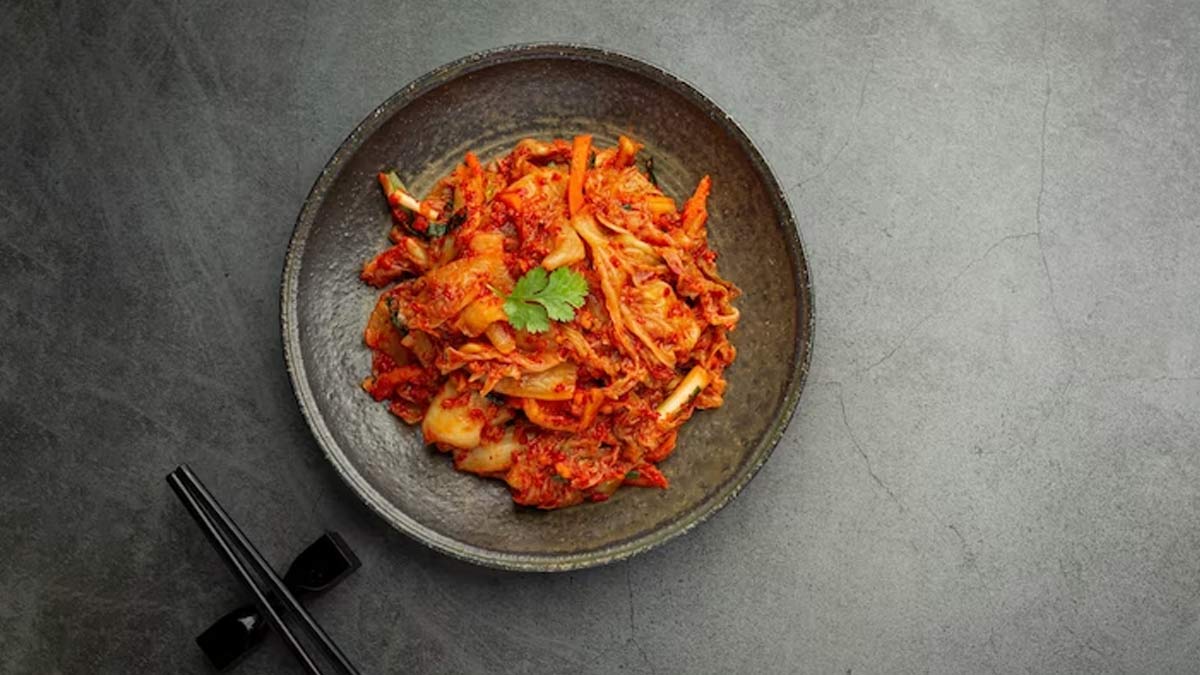
Fermented foods are some of the best allies for your gut microbiome. These foods contain live bacteria—known as probiotics—that can help replenish and balance the good bacteria in your digestive system.
Examples include: - Kimchi: This Korean dish made from fermented cabbage is rich in postbiotics, which are metabolites that support gut health. - Sauerkraut: Another fermented cabbage product, sauerkraut is packed with beneficial bacteria and enzymes that aid digestion. - Yogurt: Choose unsweetened varieties with live cultures to get a dose of probiotics that can improve microbial diversity. - Kefir: Often considered a more potent probiotic option than yogurt, kefir is a fermented milk drink that contains a wide range of beneficial bacteria.
Why it works: Probiotics help maintain a healthy balance of gut bacteria, which can reduce inflammation, improve digestion, and even support immune function.
2. Fiber-Rich Plant Foods: The Prebiotic Powerhouse
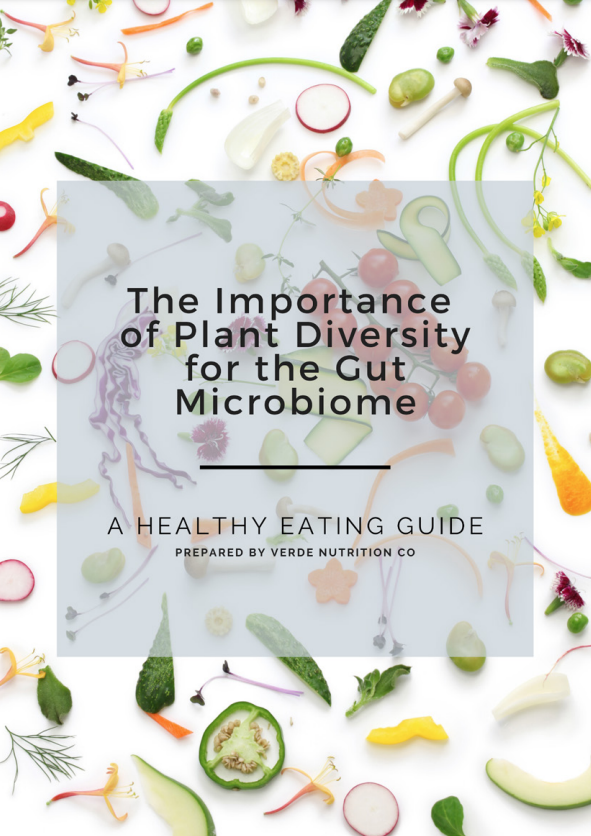
Prebiotics are non-digestible fibers that act as food for the beneficial bacteria in your gut. By feeding these microbes, prebiotics help them thrive and contribute to a more diverse microbiome.
Top sources of prebiotics: - Oats: Rich in beta-glucan, a type of fiber that supports gut health. - Garlic and onions: These alliums contain fructans, which are excellent prebiotics. - Asparagus and artichokes: High in inulin, a prebiotic that promotes the growth of Bifidobacteria. - Green bananas and plantains: Contain resistant starch, which acts as a prebiotic. - Berries: Packed with polyphenols and fiber, berries support both prebiotic and probiotic activity.
Why it works: A diet high in fiber encourages the growth of diverse bacterial species, which is key to a resilient and healthy gut.
3. Polyphenol-Rich Foods: Antioxidants That Feed Your Gut
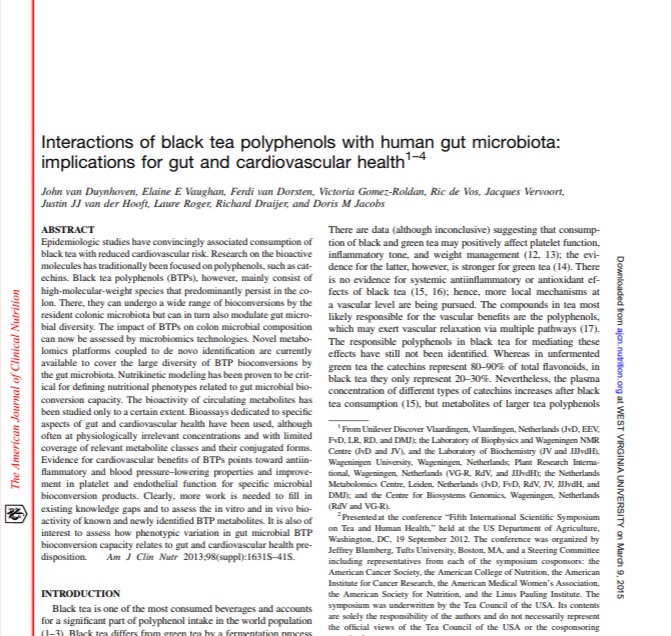
Polyphenols are plant compounds known for their antioxidant and anti-inflammatory properties. While your body can’t fully digest them, your gut microbes can break them down into compounds that benefit your health.
Best options: - Berries: Blueberries, blackberries, and raspberries are loaded with polyphenols. - Green tea and matcha: These beverages are rich in catechins, which support gut health. - Pomegranate: Contains ellagitannins, which are converted by gut bacteria into compounds that promote health. - Dark chocolate (70%+ cocoa): High in flavonoids, which may improve microbial diversity. - Extra virgin olive oil: Contains polyphenols that support a healthy gut environment.
Why it works: Polyphenols help stimulate the production of short-chain fatty acids (SCFAs), which nourish the gut lining and reduce inflammation.
4. Leafy Greens: Nutrient-Dense Support for Your Microbiome

Leafy greens are not only rich in vitamins and minerals but also provide fiber and other compounds that support a healthy gut.
Examples: - Kale: Packed with antioxidants and fiber, kale helps feed beneficial gut bacteria. - Collard greens: High in fiber and water content, collard greens aid digestion and promote regularity. - Spinach: Contains iron, magnesium, and fiber, all of which contribute to a balanced microbiome.
Why it works: Leafy greens provide a mix of nutrients that support both your body and the microbes in your gut.
5. Whole Grains: Sustained Energy for Your Gut

Whole grains are an excellent source of complex carbohydrates and fiber, both of which are essential for maintaining a healthy microbiome.
Top choices: - Brown rice: Contains fiber and resistant starch that support gut bacteria. - Quinoa: A complete protein with fiber that promotes microbial diversity. - Barley: Rich in beta-glucan, a fiber that helps regulate digestion.
Why it works: Whole grains provide a steady release of energy and nutrients that feed your gut microbes throughout the day.
6. Lean Proteins: Balancing Your Gut with Quality Sources
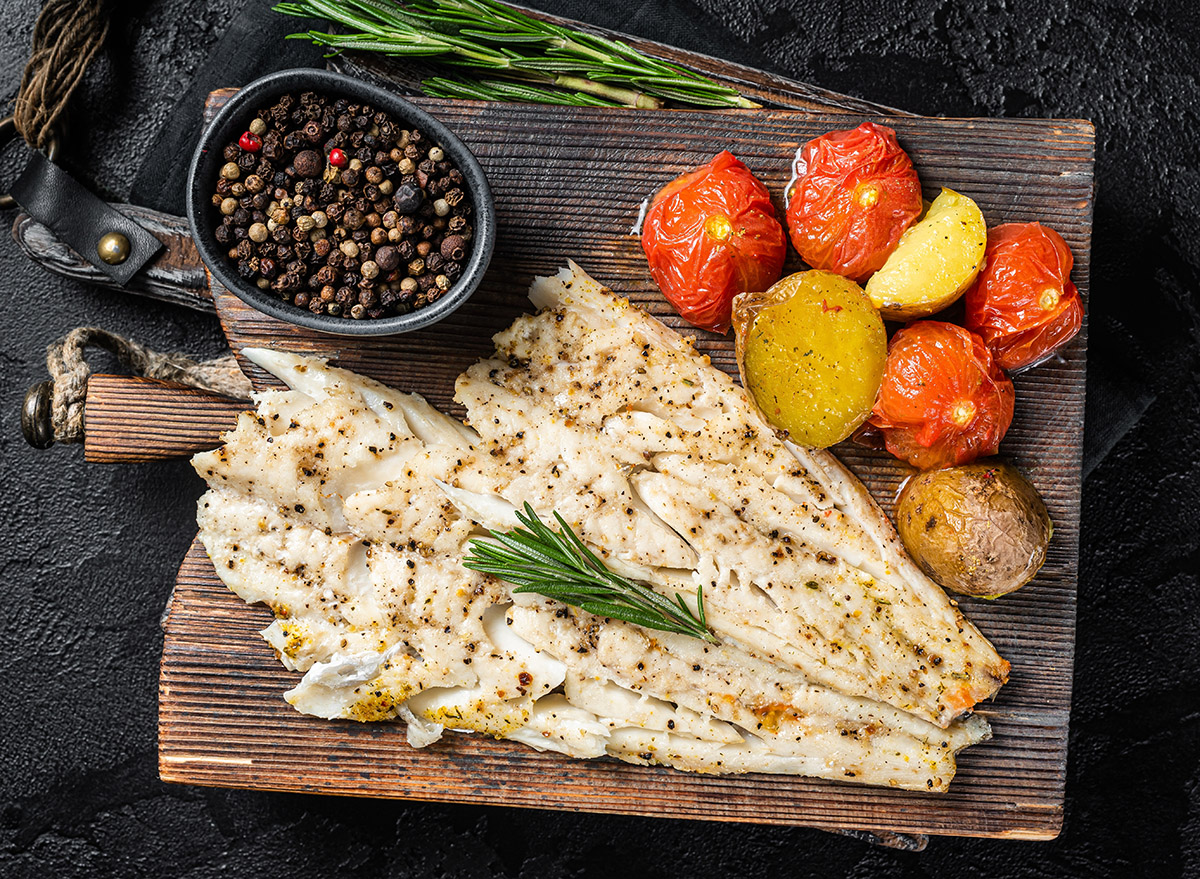
While protein is essential for muscle repair and overall health, the type of protein you consume can impact your gut microbiome.
Best options: - Salmon: Rich in omega-3 fatty acids, which have anti-inflammatory properties that support gut health. - Chicken: A lean protein source that provides essential amino acids without excessive fat. - Legumes: Beans, lentils, and chickpeas are high in fiber and protein, making them a gut-friendly choice.
Why it works: Omega-3s and plant-based proteins help reduce inflammation and support a balanced microbiome.
7. Nuts and Seeds: Healthy Fats for a Balanced Gut
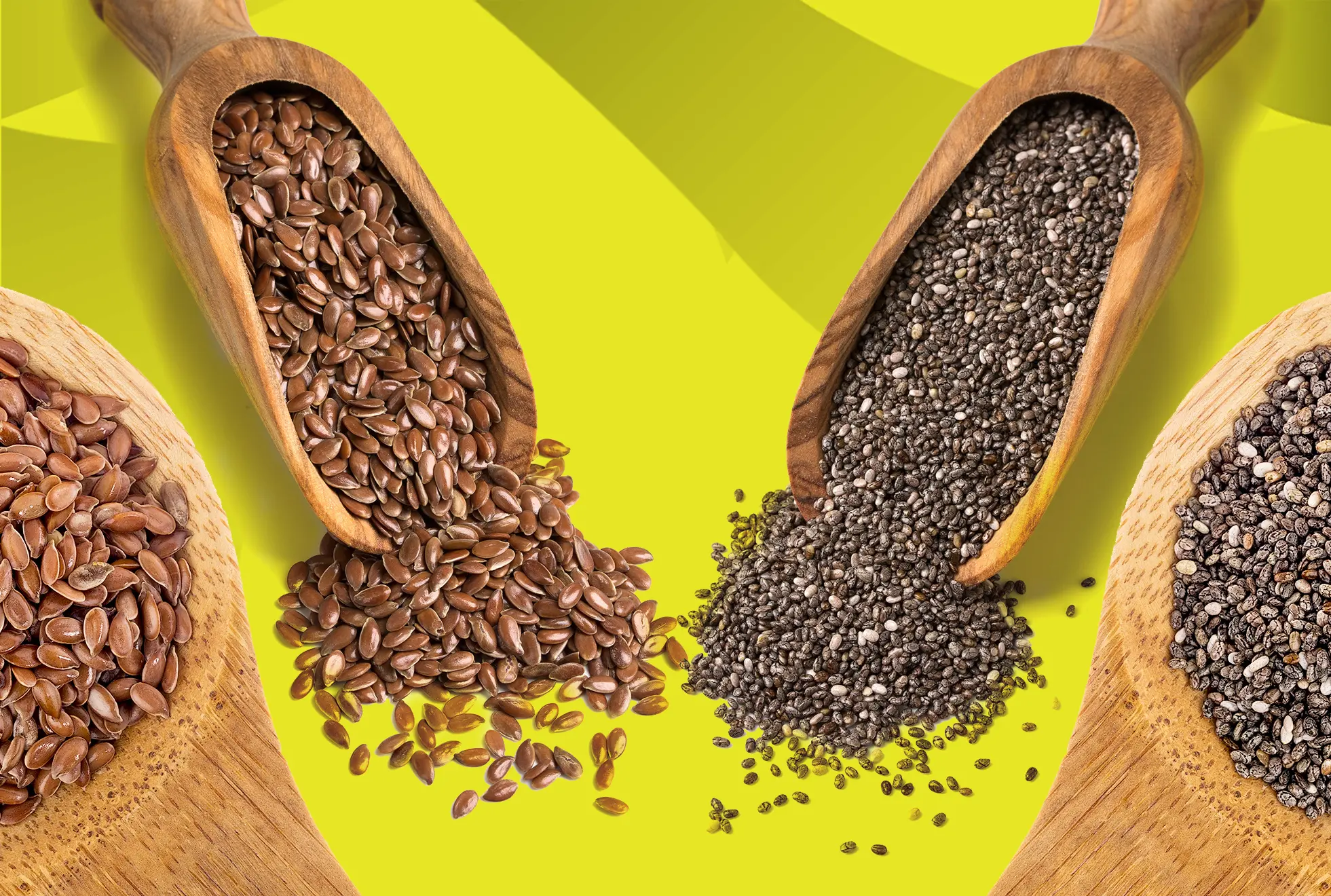
Nuts and seeds are nutrient-dense foods that provide healthy fats, fiber, and protein—key components for a thriving microbiome.
Top choices: - Almonds: High in fiber, healthy fats, and vitamin E. - Chia seeds: Rich in fiber and omega-3s, which support gut health. - Flaxseeds: Contain lignans and fiber that promote microbial diversity.
Why it works: The combination of fiber and healthy fats in nuts and seeds helps maintain a balanced gut environment.
Conclusion: Nourish Your Gut, Nourish Your Body
A diverse and healthy gut microbiome is the foundation of overall wellness. By incorporating these top foods into your diet, you can support your gut health, improve digestion, and enhance your body’s natural functions. Remember, the key is consistency and variety—your microbiome thrives on a well-rounded, plant-focused diet.
Start small by adding one or two of these foods to your meals each day, and over time, you’ll notice improvements in how you feel. Whether it’s through fermented foods, fiber-rich plants, or polyphenol-packed superfoods, your gut will thank you for the care you give it.

Post a Comment for "Top Foods to Boost Microbiome Diversity for Better Gut Health"
Post a Comment