Top Foods That Boost Cognitive Function and Enhance Brain Health
When it comes to maintaining a sharp mind and strong cognitive abilities, what we eat plays a crucial role. The brain is one of the most metabolically active organs in the body, and its health is closely tied to the nutrients we consume. While no single food can magically enhance memory or focus, a diet rich in specific brain-boosting foods can significantly support cognitive function, reduce the risk of neurodegenerative diseases, and promote overall mental well-being. In this article, we’ll explore the top foods that are backed by science for their ability to enhance brain health, along with practical tips on how to incorporate them into your daily meals.

1. Fatty Fish: Omega-3 Powerhouses for the Brain

Fatty fish such as salmon, mackerel, sardines, and trout are among the best sources of omega-3 fatty acids, particularly DHA (docosahexaenoic acid), which is essential for brain structure and function. These fats are highly concentrated in brain tissue and play a key role in maintaining cell membrane integrity, supporting communication between neurons, and reducing inflammation.
Research shows that regular consumption of fatty fish can improve learning, memory, and cognitive performance. A study published in Neurology found that older adults who consumed more omega-3s had a lower risk of developing Alzheimer’s disease. Aim to include at least two servings of fatty fish per week to reap these benefits. Try grilled salmon with a side of quinoa, or add canned sardines to a salad for a quick and nutritious meal.
2. Leafy Greens: Nutrient-Dense Brain Protectors
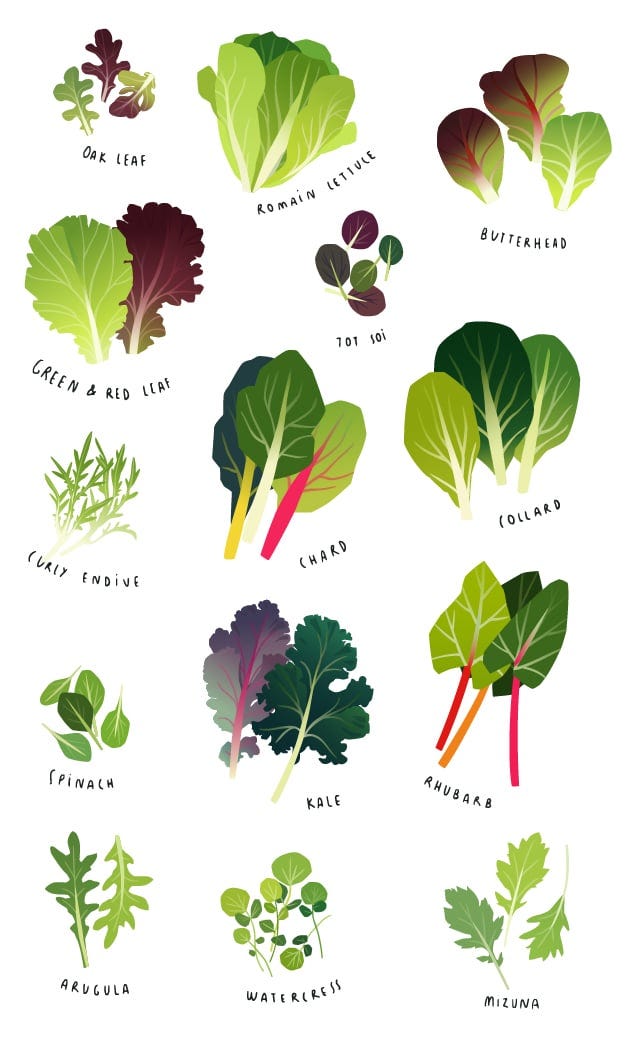
Leafy green vegetables like spinach, kale, and broccoli are packed with vitamins, minerals, and antioxidants that support brain health. They contain lutein, beta-carotene, vitamin K, and folate—nutrients that help protect the brain from oxidative stress and slow cognitive decline.
A study from the University of California found that older adults who ate one serving of leafy greens daily experienced a slower rate of cognitive decline compared to those who rarely consumed them. Incorporating these veggies into your diet is simple: blend them into smoothies, add them to soups, or enjoy them in salads. For a quick boost, try a spinach and feta omelet or a kale and avocado wrap.
3. Berries: Antioxidant-Rich Memory Boosters

Berries, especially blueberries, are loaded with flavonoids and anthocyanins—powerful antioxidants that protect brain cells from damage and improve communication between neurons. These compounds have been shown to enhance memory, reduce inflammation, and even slow age-related cognitive decline.
A 2019 study found that eating a handful of wild blueberries daily improved reaction times and memory in older adults. Whether fresh, frozen, or dried, berries are a versatile addition to breakfasts, snacks, and desserts. Try adding them to yogurt, oatmeal, or smoothies, or make a berry compote to serve with toast.
4. Walnuts: Brain-Boosting Nuts with Anti-Inflammatory Properties

Walnuts are a rich source of omega-3 fatty acids, antioxidants, and polyphenols that support brain health. Their high levels of alpha-linolenic acid (ALA) help reduce inflammation and improve cognitive function. Studies suggest that regular walnut consumption may lower the risk of Alzheimer’s disease and other forms of dementia.
A recommended daily serving is 1 to 1.5 ounces (about 12–18 halves). Sprinkle them on salads, mix them into trail mixes, or use them in baked goods like walnut muffins. You can also blend walnuts into sauces or dressings for added flavor and nutrition.
5. Coffee and Tea: Caffeine and Antioxidants for Mental Clarity

Coffee and tea are not just beverages—they’re brain-boosting allies. Both contain caffeine, which enhances alertness and focus, and antioxidants that protect against oxidative stress and inflammation. Research suggests that regular coffee and tea consumption may reduce the risk of dementia and stroke.
A 2021 study found that people who drank 2–3 cups of coffee or tea daily had a 32% lower risk of stroke and a 28% lower risk of dementia. However, it’s important to note that excessive caffeine intake can lead to anxiety or sleep disturbances. Moderation is key. Enjoy a cup of black coffee or herbal tea in the morning, or try a matcha latte for a calming yet energizing alternative.
6. Eggs: Choline for Neurotransmitter Production

Eggs are a powerhouse of nutrients, including choline, which is essential for the production of acetylcholine—a neurotransmitter involved in memory, mood, and learning. They also contain B vitamins, which support brain function and development.
Studies have shown that higher choline intake is associated with a lower risk of Alzheimer’s disease. Eggs are incredibly versatile and can be enjoyed in various ways: scrambled, poached, boiled, or as part of a breakfast bowl. Pair them with whole grains or vegetables for a balanced meal.
7. Whole Grains: Fiber and Vitamins for Long-Term Brain Health
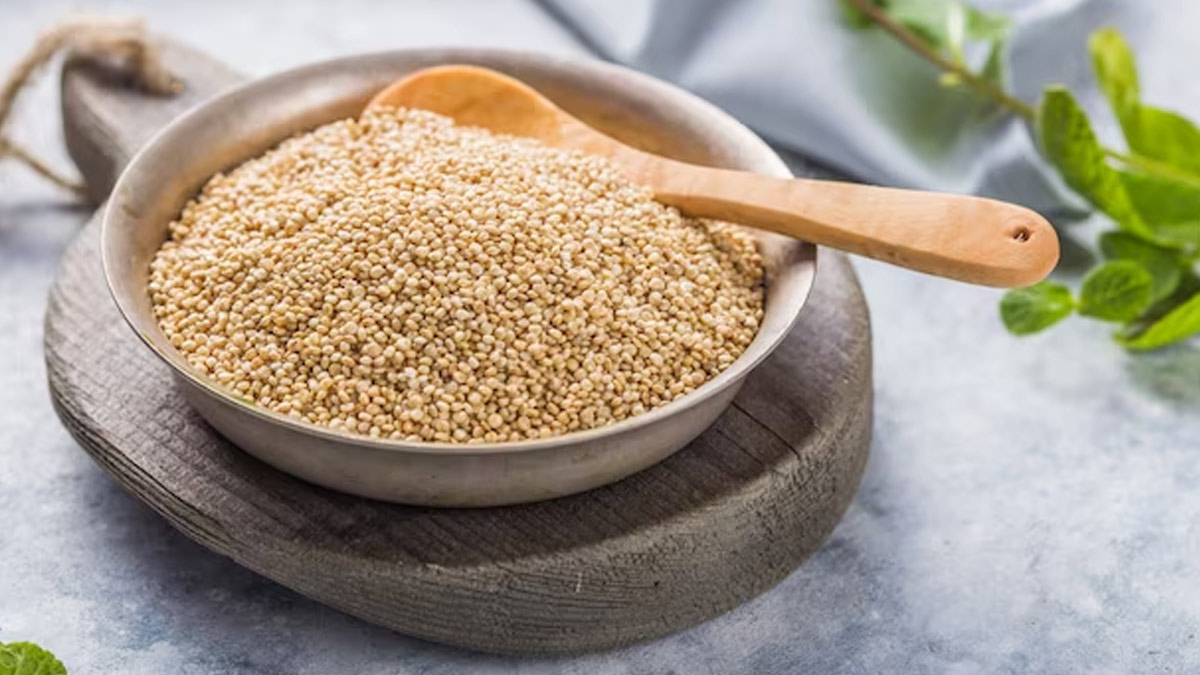
Whole grains like oats, brown rice, and quinoa are rich in fiber, B vitamins, and antioxidants that support cognitive function and reduce the risk of conditions like type 2 diabetes and cardiovascular disease—both of which are linked to cognitive decline.
A study published in The Journal of Nutrition found that higher whole grain intake was associated with better cognitive performance in older adults. Incorporate whole grains into your meals by choosing brown rice over white rice, using whole wheat bread instead of white, or making a hearty grain bowl with quinoa, beans, and vegetables.
8. Avocados: Healthy Fats for Brain Cell Protection

Avocados are packed with monounsaturated fats, B vitamins, and lutein—nutrients that support brain health and improve cognitive function. Research has shown that older adults who regularly consumed avocados had better memory scores than those who didn’t.
Adding avocados to your diet is easy: spread them on toast, blend them into smoothies, or add them to salads. Their creamy texture and mild flavor make them a great addition to many dishes.
Conclusion
Maintaining a healthy brain requires a combination of lifestyle choices, including regular physical activity, quality sleep, and a nutrient-rich diet. By incorporating the right foods into your daily routine, you can support cognitive function, reduce the risk of neurodegenerative diseases, and enhance overall mental well-being. From fatty fish and leafy greens to berries and walnuts, each of these brain-boosting foods offers unique benefits that contribute to long-term brain health. So, start making smarter food choices today and give your brain the nourishment it needs to thrive.

Post a Comment for "Top Foods That Boost Cognitive Function and Enhance Brain Health"
Post a Comment